
 Antidepressants
This category covers medicines used for depression, anxiety and some related conditions. They work gradually, often taking two to six weeks for the full effect, and suit treatment alongside support rather than on their own. Dose is usually built up slowly, and the first choice is not always the one a person stays on, so review appointments are part of the treatment.

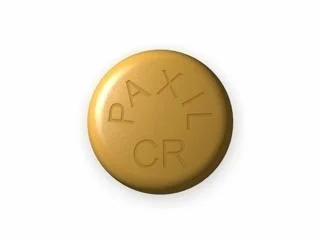
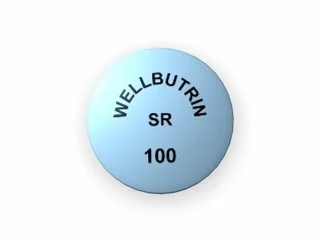
Wellbutrin SR
150mg
Wellbutrin SR is bupropion 150mg in a modified-release tablet for tobacco dependence and major depression, a weak reuptake inhibitor of two amines.

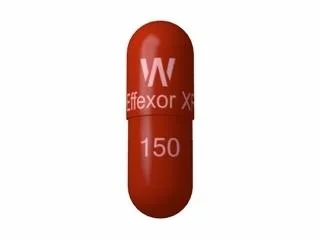

Trintellix
5 · 10 · 20mg
Vortioxetine 5mg, 10mg and 20mg tablets, used in the management of major depressive disorder. A multimodal antidepressant, not a plain SSRI.









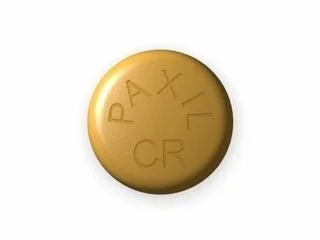
Wellbutrin
150 · 300mg
Bupropion 150mg and 300mg modified-release tablets, used in the management of major depression and tobacco dependence. An aminoketone antidepressant.
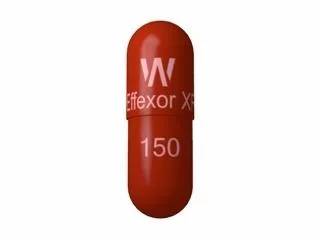
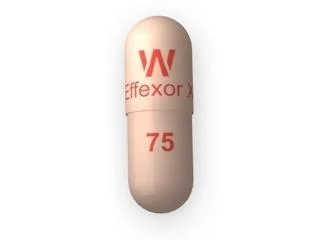
Effexor XR
75 · 150mg
Effexor XR is venlafaxine 75mg and 150mg in a prolonged-release capsule for major depression and generalised anxiety disorder. An SNRI taken once a day.





Key points
- These medicines work gradually, with the full effect typically taking two to six weeks rather than days.
- The same classes are used for anxiety as for depression, and some also treat nerve pain.
- Stopping abruptly can cause withdrawal effects, so changes are tapered under guidance rather than halted.
Classes and ingredients in this category
- SSRIs such as paroxetine and citalopram are common first choices.
- SNRIs like venlafaxine and duloxetine also help nerve pain.
- Older tricyclics such as amitriptyline, and bupropion for low mood and quitting smoking.
Conditions it covers
These medicines are used for major depressive disorder, generalised anxiety disorder, obsessive compulsive disorder and panic disorder. The class chosen depends on the diagnosis, other conditions and previous response, none of which a listing can assess.
Further reading
Related articles

23 Sept 2026 ⋅ 8 min read
Antidepressants When You Live Abroad: The Part Nobody Plans For
The prescription that renewed itself for years does not renew when you move, and people usually discover this at the worst possible moment. Why running out abruptly is the real hazard, how withdrawal gets mistaken for relapse, and what to carry so a new doctor can pick up where the last one left off.
Read guide