
Panic Disorder
Panic disorder is a condition in which a person experiences recurrent, unexpected panic attacks, intense surges of fear that peak within minutes, and then spends weeks dreading the next one. The attacks themselves are not dangerous, but the anticipatory anxiety and avoidance behaviour they produce can severely restrict daily life.


Key points
- A panic attack is a sudden, intense surge of fear that people often mistake for a heart attack or a loss of control.
- Cognitive behavioural therapy helps people challenge catastrophic thoughts about these sensations and gradually return to situations they had been avoiding.
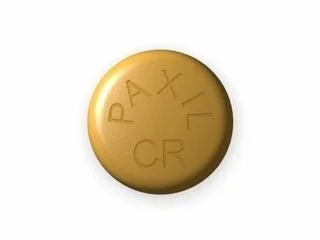
- Escitalopram, sertraline and paroxetine, common SSRIs taken steadily for several weeks, cut both how often panic attacks strike and how severe they feel.
What a panic attack actually feels like
The sudden onset is what makes panic attacks so alarming. Common physical sensations include a racing or pounding heart, shortness of breath, chest tightness, dizziness, sweating, and a feeling of unreality or detachment. Many people describe an overwhelming conviction that something is seriously wrong, a heart attack, suffocation, or loss of control. Most attacks subside within 10 to 20 minutes, though the aftermath can leave a person exhausted and on edge for hours.
How panic disorder is managed
Effective treatment almost always combines talking therapy with medicine. Cognitive behavioural therapy (CBT) is the most evidence-backed psychological approach; it teaches people to reframe catastrophic interpretations of physical sensations and gradually re-engage with avoided situations.
On the medicine side, antidepressants, particularly selective serotonin reuptake inhibitors (SSRIs), are the standard first-line choice. Agents such as escitalopram, sertraline, and paroxetine reduce the frequency and severity of panic attacks when taken consistently over several weeks. They are also used long-term to prevent relapse.
If your panic attacks are severe or you are experiencing thoughts of self-harm, contact a mental health professional or a crisis line in your country promptly.
Further reading
Related articles
23 Sept 2026 ⋅ 8 min read
Antidepressants When You Live Abroad: The Part Nobody Plans For
The prescription that renewed itself for years does not renew when you move, and people usually discover this at the worst possible moment. Why running out abruptly is the real hazard, how withdrawal gets mistaken for relapse, and what to carry so a new doctor can pick up where the last one left off.
Read guide