
Paroxetine
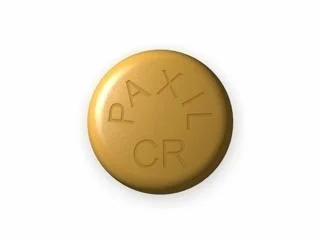
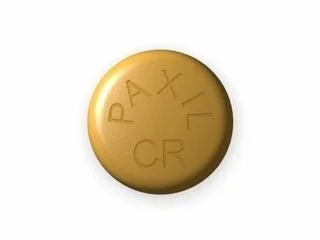
Paroxetine is a selective serotonin reuptake inhibitor often marketed under the brand Seroxat. It is used to manage Depression and various anxiety conditions. Our listing features 2 products, including Paxil and Paxil CR, providing different formulations to match specific therapeutic goals.
Key points
- A selective serotonin reuptake inhibitor prescribed for depression alongside several anxiety-related disorders, including panic and social anxiety.
- Sold as the original Seroxat as well as generic Paxil and Paxil CR, in standard and prolonged-release tablet forms.
- Increases serotonin availability in the brain by blocking its reabsorption into nerve cells, supporting mood regulation.
What is Paroxetine?
Paroxetine belongs to the class of medications known as selective serotonin reuptake inhibitors, frequently grouped under Antidepressants. This compound works to balance neurotransmitter activity within the brain. It is favored for its targeted action in long-term treatment strategies.
What Paroxetine is used for
Paroxetine is used for Depression and Obsessive-compulsive Disorder. It also serves as a management option for Generalised Anxiety Disorder, Panic Disorder, and Social Anxiety Disorder. Healthcare providers assess specific symptoms to determine the appropriate therapeutic approach for these mental health conditions.
How does Paroxetine work?
Paroxetine increases the availability of serotonin, a neurotransmitter associated with mood regulation. By inhibiting the reabsorption of this chemical into nerve cells, it enhances synaptic traffic. This action aims to improve emotional stability and ease symptoms associated with anxiety and mood disorders.
Paroxetine brands and forms
The marketplace for Paroxetine includes the original Seroxat and various generic equivalents like Paxil and Paxil CR. Tablets are available in standard film-coated and prolonged-release formats. The prolonged-release version serves to distribute the active compound more steadily over an extended period.
Safety overview for Paroxetine
What to check before using this medicine
Before beginning treatment, clarify your medical history with a doctor, especially concerning heart, liver, or kidney function. Inform the provider about any existing health conditions that might require monitoring. Establish a consistent follow-up schedule to review progress and any physical changes.
Possible reactions and tolerability
Common responses to this compound may involve digestive changes, fatigue, or difficulty with sleep. These experiences often fluctuate as the body adjusts to the active ingredient. Persistent physical discomfort or noticeable changes in mood should be reported to a clinician for evaluation.
Interactions and health factors
Combining this medication with other chemical compounds requires professional oversight. Certain substances or dietary supplements can change how the body processes the medication, potentially increasing the risk of adverse reactions. Always ensure a full review of all current health factors when initiating use.
Product labelling and verified clinical sources remain the correct references for specific contraindications, interactions and reactions.
Further reading
Related articles

23 Sept 2026 ⋅ 8 min read
Antidepressants When You Live Abroad: The Part Nobody Plans For
The prescription that renewed itself for years does not renew when you move, and people usually discover this at the worst possible moment. Why running out abruptly is the real hazard, how withdrawal gets mistaken for relapse, and what to carry so a new doctor can pick up where the last one left off.
Read guide
23 Sept 2026 ⋅ 8 min read
Premature Ejaculation: The Treatment English-Language Searches Keep Missing
Search in English and you will be told there is no approved medicine for premature ejaculation. That is true in the United States and false across much of Asia and Europe, where a medicine developed specifically for it has been licensed for years. Why the answer depends on whose internet you are reading.
Read guide