
Depression
Depression, also called major depressive disorder, is not the same as a bad week or ordinary sadness. It is a sustained shift in mood, energy, and thinking that lasts at least two weeks and makes everyday tasks feel difficult or pointless. It is one of the most common health conditions worldwide, and it responds well to treatment.
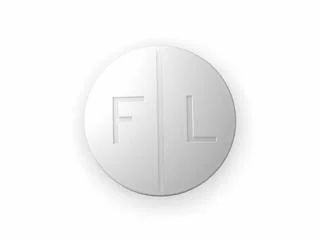
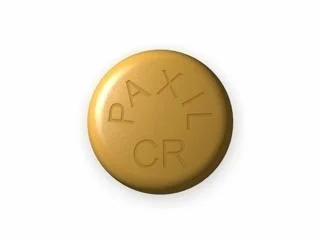
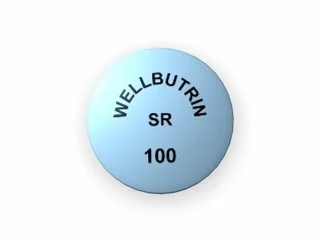
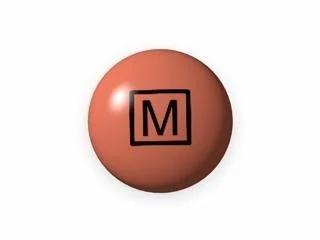
Wellbutrin SR
150mg
Wellbutrin SR is bupropion 150mg in a modified-release tablet for tobacco dependence and major depression, a weak reuptake inhibitor of two amines.
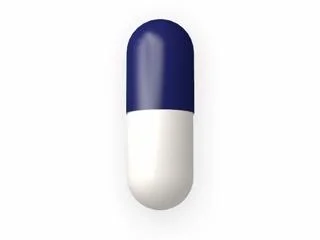
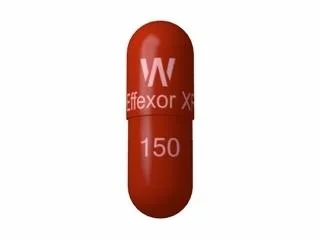

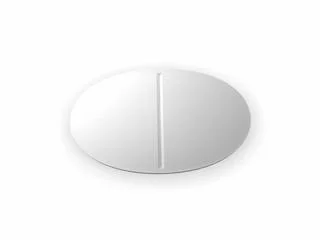
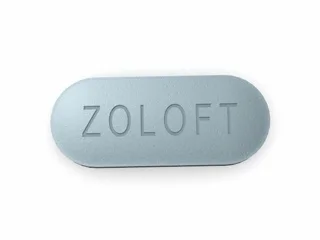
Trintellix
5 · 10 · 20mg
Vortioxetine 5mg, 10mg and 20mg tablets, used in the management of major depressive disorder. A multimodal antidepressant, not a plain SSRI.
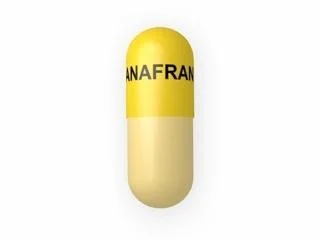
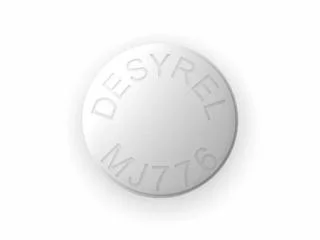
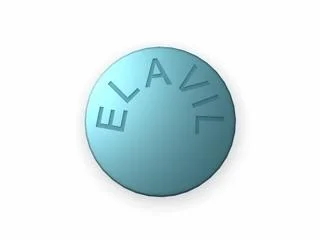


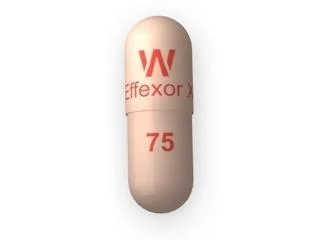


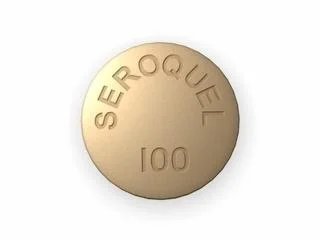
Wellbutrin
150 · 300mg
Bupropion 150mg and 300mg modified-release tablets, used in the management of major depression and tobacco dependence. An aminoketone antidepressant.
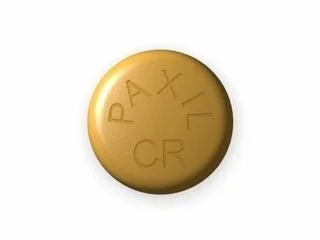
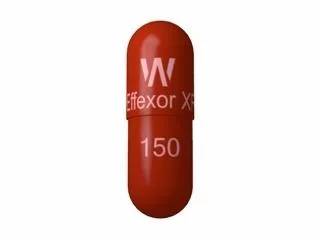
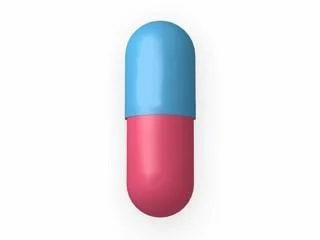
Effexor XR
75 · 150mg
Effexor XR is venlafaxine 75mg and 150mg in a prolonged-release capsule for major depression and generalised anxiety disorder. An SNRI taken once a day.


Key points
- Alongside low mood, sleep and appetite changes, poor concentration and unwarranted feelings of guilt or worthlessness are typical features.
- Antidepressant medicines that act on serotonin and noradrenaline, such as SSRIs and the SNRI duloxetine, are usually combined with talking therapy.
- Full benefit from these medicines can take several weeks to appear, so early results are often modest even when they are working.
More than low mood: what depression actually feels like
The hallmark is a persistent low mood or a loss of interest in things you once enjoyed. Alongside these, people often notice low energy, disturbed sleep (too much or too little), appetite changes, poor concentration, and a sense of worthlessness or guilt that seems out of proportion to circumstances. Physical symptoms such as unexplained aches or slowed movement are also common and sometimes overshadow the emotional ones.
How depression is treated
Most people improve with a combination of talking therapy and medicine. Medicines that adjust serotonin and noradrenaline signalling in the brain tend to be the first approach. Options from the antidepressants range include SSRIs such as citalopram and paroxetine, the SNRI duloxetine, and older agents like amitriptyline. They typically need two to six weeks to take full effect, so short-term results can feel underwhelming even when the treatment is working. Venlafaxine and bupropion are further options with different mechanisms, which is useful when one medicine does not suit. See also the neurology category for conditions that sometimes overlap with depression.
When to seek help urgently
If you or someone you know is having thoughts of self-harm or suicide, reach out immediately to a trusted person or a local crisis line. Depression is treatable, and early contact makes a real difference.
Further reading
Related articles

23 Sept 2026 ⋅ 8 min read
Antidepressants When You Live Abroad: The Part Nobody Plans For
The prescription that renewed itself for years does not renew when you move, and people usually discover this at the worst possible moment. Why running out abruptly is the real hazard, how withdrawal gets mistaken for relapse, and what to carry so a new doctor can pick up where the last one left off.
Read guide