
 Antibiotics
Antibiotics treat infections caused by bacteria. They do nothing for colds, flu or other viral illness, and using them when they are not needed drives resistance, so they should be matched to the right infection. Which antibiotic is appropriate depends on the organism, the site of infection and any allergy history, none of which can be judged from symptoms alone.
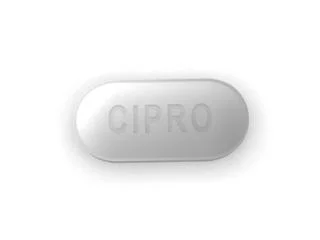
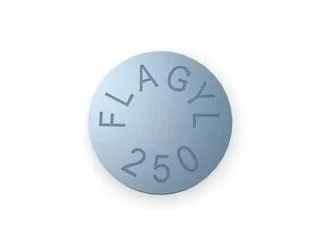
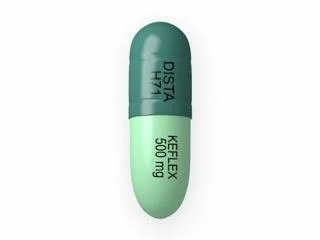
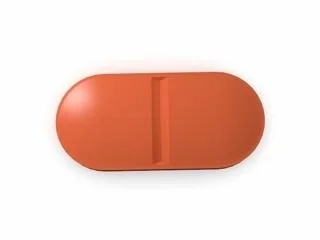
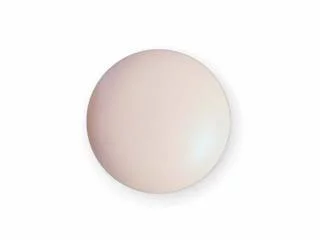
Tinidazole Tablets
500mg
Tinidazole 500mg tablets, used for giardiasis, trichomoniasis and anaerobic bacterial infection. It breaks DNA strands in susceptible organisms.
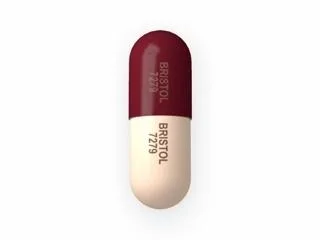
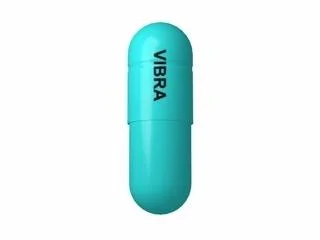
Vibramycin
100mg
Doxycycline 100mg capsules and tablets, used for acne vulgaris, chlamydia, Lyme disease and respiratory tract infection. A broad-spectrum tetracycline.
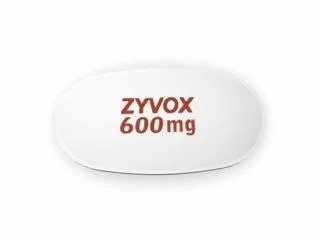
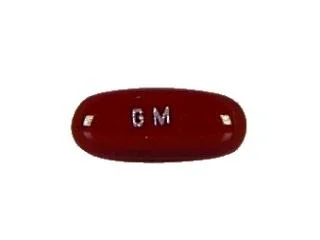
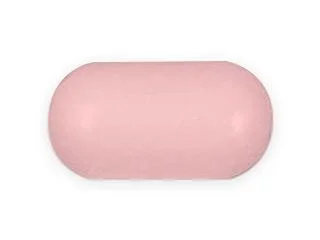
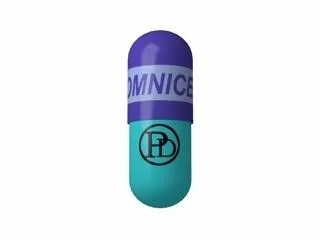
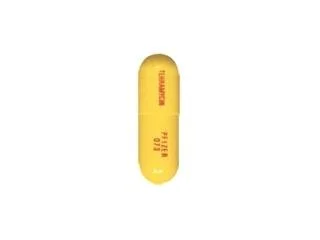
Terramycin
250mg
Oxytetracycline 250mg film-coated tablets, used for acne vulgaris and respiratory tract infection. A broad-spectrum tetracycline taken by mouth.
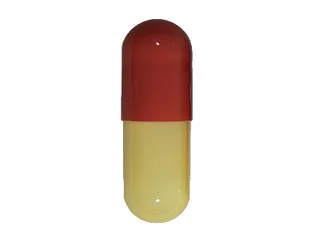
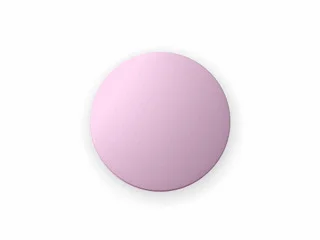
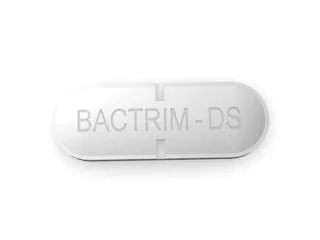
Rifampin Tablets
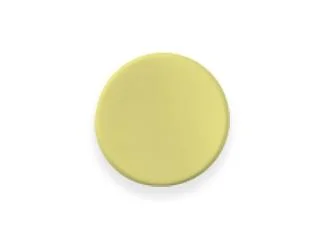
150 · 300 · 450 · 600mg
Rifampicin tablets in four strengths from 150mg to 600mg, used for tuberculosis and meningococcal carriage. It blocks bacterial RNA polymerase.
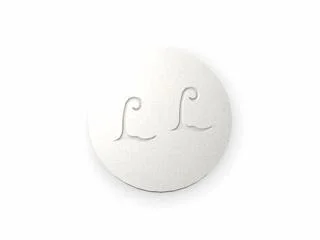
Zithromax Dispersible
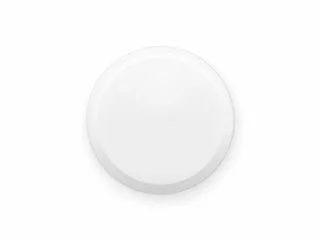
100mg
Zithromax Dispersible is azithromycin 100mg in a tablet that disperses in water, for bacterial infection. It binds the 50S ribosomal subunit.
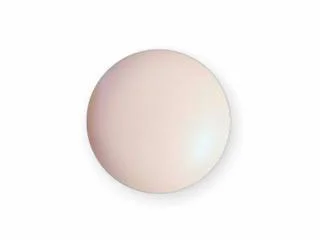
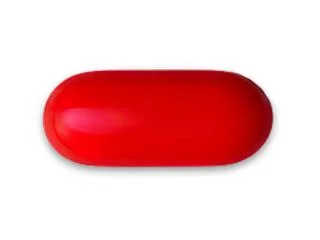
Ornidazole Tablets
500mg
Ornidazole 500mg tablets, used for trichomoniasis, amoebiasis and giardiasis. A nitroimidazole that disrupts DNA synthesis in protozoa.
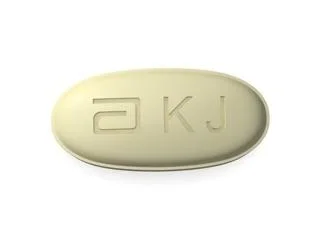
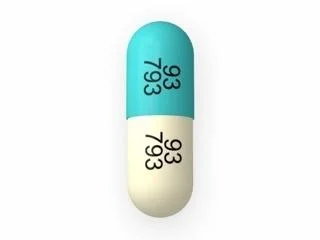
Chloromycetin
250 · 500mg
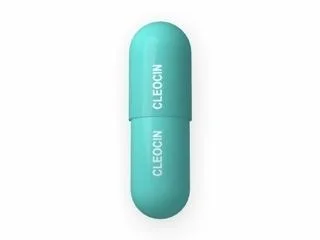
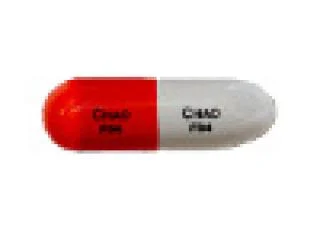
Chloramphenicol 250mg and 500mg hard capsules, used for bacterial infection and typhoid fever. It binds the 50S ribosomal subunit in bacteria.
Trecator-sc
250mg
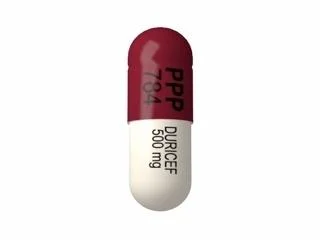
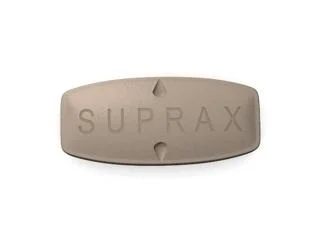
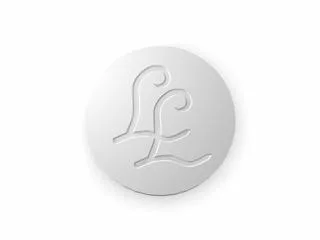
Ethionamide 250mg film-coated tablets, used in the management of tuberculosis. A thioamide that blocks peptide synthesis in mycobacteria.
Furadantin
50 · 100mg
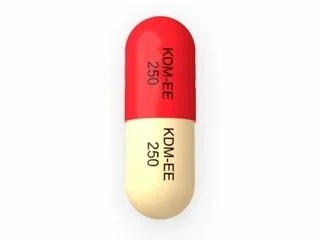
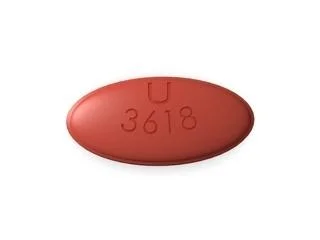
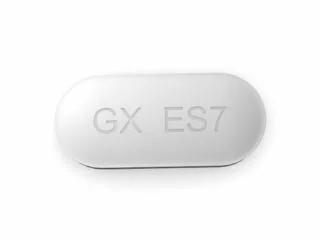
Nitrofurantoin 50mg and 100mg tablets, used for cystitis and urinary tract infection. Bacterial flavoproteins reduce it to reactive intermediates.
Key points
- Antibiotics act on bacteria only, so they do nothing for colds, flu or other viral illness.
- Class matters: penicillins, cephalosporins, macrolides, fluoroquinolones and urinary agents reach different organisms and tissues.
- Finishing a course as prescribed and never reusing leftovers is what limits resistance, which the WHO treats as a global priority.
Classes and ingredients in this category
- Penicillins such as amoxicillin and cephalosporins like cephalexin cover many common infections.
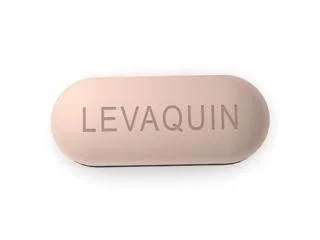
- Macrolides and fluoroquinolones such as ciprofloxacin and ofloxacin are used for specific or resistant infections.
- Urinary agents like nitrofurantoin target bladder infections.
Conditions it covers
These medicines are used for bacterial infection, urinary tract infection, respiratory tract infection and acne vulgaris. The agent depends on the likely organism and the site of infection, which is why a prescriber matches medicine to diagnosis.
Further reading
Related articles

23 Sept 2026 ⋅ 10 min read
Buying Generic Medicines in Asia: Safety, Indian Generics & Sourcing for Expats
How to buy generic medicines in Asia: bioequivalence and safety, why Indian generics are trusted, checking a pack is genuine, generic vs branded generic, storage in a hot climate and how delivery works.
Read guide
23 Sept 2026 ⋅ 9 min read
Buying Medicine in Bali: Pharmacy, Prescription & Import Rules for Nomads
How to buy, bring in and store medicine in Bali: how apotek pharmacies work, Indonesia's strict import rules, finding your medicine by active ingredient, generics, storage and safety checks.
Read guide
23 Sept 2026 ⋅ 10 min read
Buying Medicine in Hong Kong: Pharmacy, Prescription & Import Rules for Expats
How to buy, bring in and keep your medicines in Hong Kong: registered pharmacies and the Rx logo, Drug Office import rules, finding your medicine by active ingredient, costs, generics, storage and delivery.
Read guide
23 Sept 2026 ⋅ 7 min read
Buying Medicine in Malaysia: Pharmacy, Prescription & Import Rules for Expats
How to buy, bring in and store medicine in Malaysia: how pharmacies work, NPRA registration and import rules, finding your medicine by active ingredient, costs, MM2H notes, storage and safety checks.
Read guide
23 Sept 2026 ⋅ 12 min read
Buying Medicine in Singapore: Pharmacy, Prescription & Import Rules for Expats
How to buy, bring in and store medicine in Singapore: how pharmacies work, HSA personal-import rules, finding your medicine by active ingredient, generics, storage and safety checks.
Read guide
23 Sept 2026 ⋅ 6 min read
Buying Medicine in Thailand: Pharmacy, Prescription & Import Rules for Expats
How to buy, bring in and store medicine in Thailand: how pharmacies work, Thai FDA personal-import rules, finding your medicine by active ingredient, generics, storage and safety checks.
Read guide