
Key facts
- Ask for the active ingredient and strength, not just the brand you used at home.
- Most everyday medicine is sold at retail pharmacies with a registered pharmacist; some medicines need a prescription, and controlled medicines are restricted.
- Medicines are registered by Malaysia’s NPRA, which runs a public database you can search to check whether a product is registered.
- To bring your own supply in, keep medicines in their original packaging and carry a copy of your prescription or a doctor’s letter.
- A reasonable personal quantity, generally around one month’s supply, is the usual guide; psychotropic and controlled medicines are tightly controlled and may need prior approval.
- Store medicines cool, dry and out of direct sun. Malaysia’s heat and humidity degrade tablets faster than a temperate climate.
- For an ongoing condition, use a doctor, clinic or hospital pharmacy rather than relying only on counter advice.
The Ministry of Health makes an important distinction for travellers: the personal-use allowance covers you or an immediate family member travelling with you, and the supply must be reasonable for one month. That is separate from routine commercial import rules.
Can foreigners buy medicine in Malaysia?
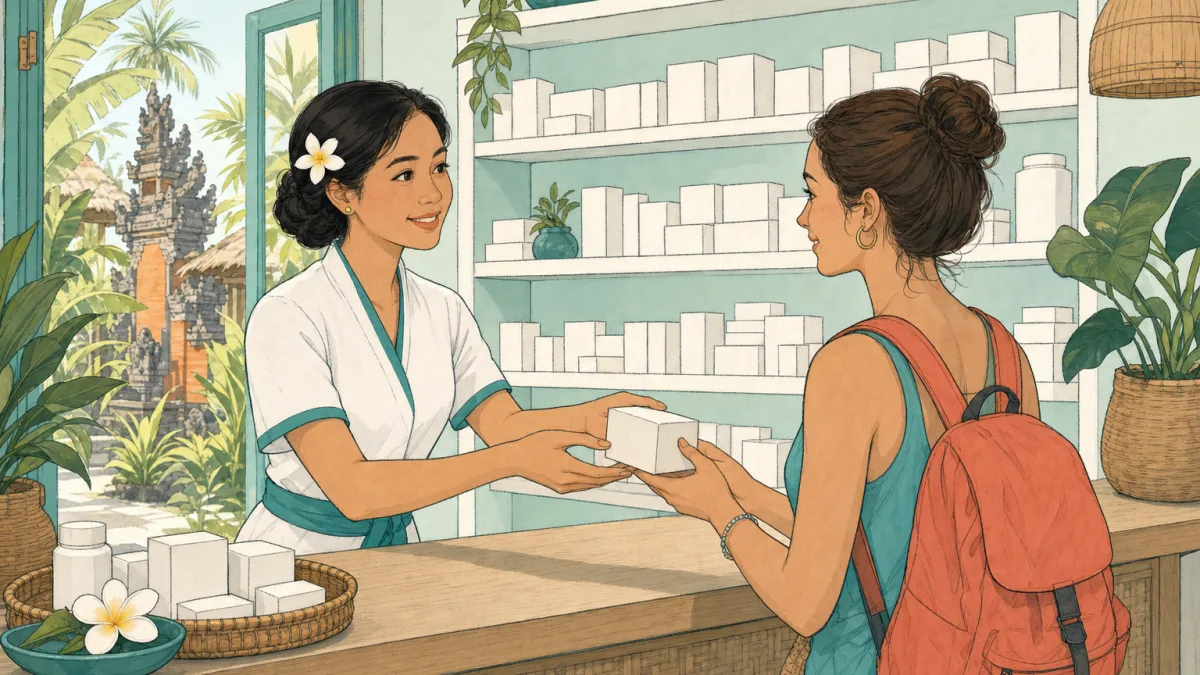
Yes. A foreign resident can use a Malaysian retail pharmacy. Guardian, Watsons, Caring and BIG Pharmacy are among the chains, alongside independent and clinic pharmacies. Take a prescription for medicines that require one; controlled medicines have additional restrictions. Check the opening hours and stock at the branch you plan to visit.
Pharmacy, clinic or hospital: which should I use?
Use a retail pharmacy for minor, familiar needs. Use a clinic or hospital for anything that needs a diagnosis, a new or ongoing condition, or a repeat of a long-term medicine. Malaysia has plenty of both, and the private hospitals in KL and Penang are well regarded and used to treating expats.
For a new diagnosis or a long-term prescription, a GP clinic or hospital can establish a local treatment record. The Ministry of Health traveller guide advises anyone staying longer than one month and needing ongoing medicines to see a registered Malaysian doctor for prescriptions.
What does medicine cost in Malaysia?
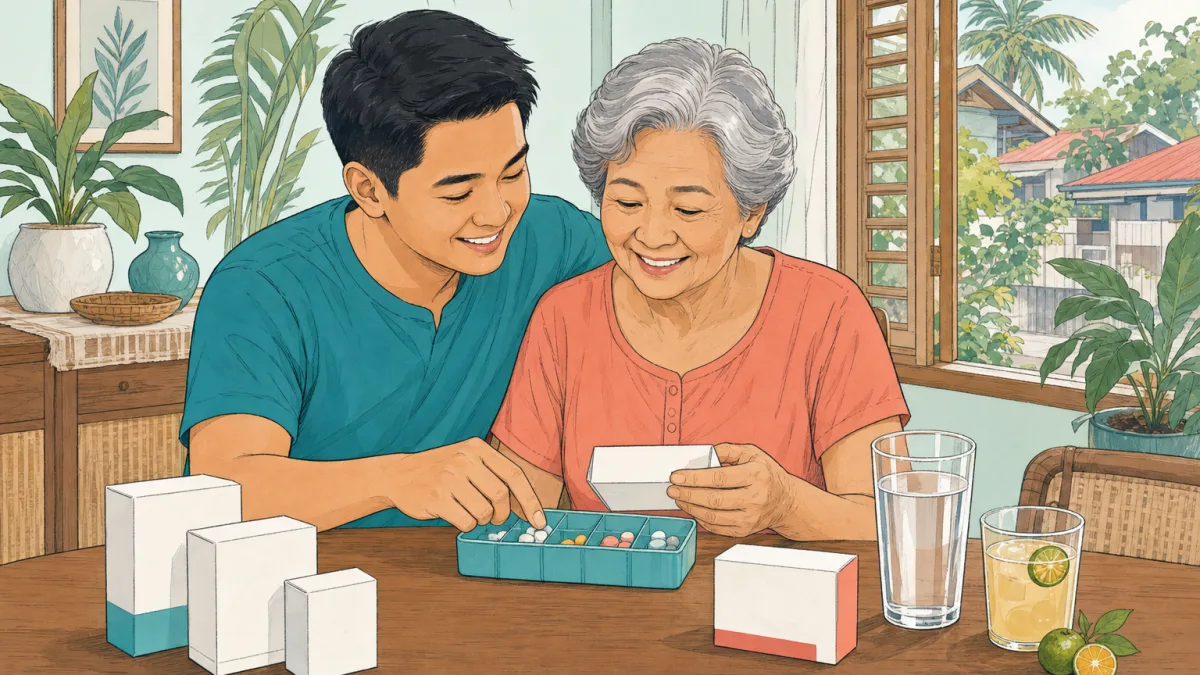
Prices vary by pharmacy type and by brand. The same medicine can cost different amounts at a hospital pharmacy, a chain pharmacy and an independent one, and an original brand costs more than a generic of the same active ingredient. Ask for the active ingredient, the strength and the generic option before comparing prices.
Much of what is sold is a generic, the same active ingredient as a well known brand without the brand price, which is the everyday way medicine is supplied across the region. Choosing the generic version, where one exists, is usually the simplest way to keep costs down without changing the treatment itself. For anything you buy regularly it is worth comparing what you pay locally against having it delivered once you know the active ingredient.
How do I find my medicine by active ingredient?
Read the active ingredient on the box, not the brand. Every medicine has one international name for its active ingredient and any number of brand names on top. The brand you relied on at home may not be sold in Malaysia, yet the same active ingredient almost certainly is, under a local name.
For amoxicillin or paracetamol, check the prescribed name and strength on the old pack. Search the active ingredient pages for local brands. The brand-name decoder covers unfamiliar labels; categories and conditions are another way into the catalogue.
Can I bring prescription medicine into Malaysia?
The Ministry of Health permits a reasonable personal supply for you or an immediate family member travelling with you, generally up to one month. Keep the original pack and dispensing label intact. Carry an English prescription or doctor’s letter, or a translation, for controlled medicines; declare medicines under the Dangerous Drugs Act at the border.
Malaysia sets out clear rules for bringing in personal medicines. The Ministry of Health’s traveller’s guide is the place to start. In summary, the allowance covers medicine for your own use, or an immediate family member travelling with you, in a reasonable personal quantity, generally around one month’s supply, kept in original labelled packaging with your prescription or a doctor’s letter.
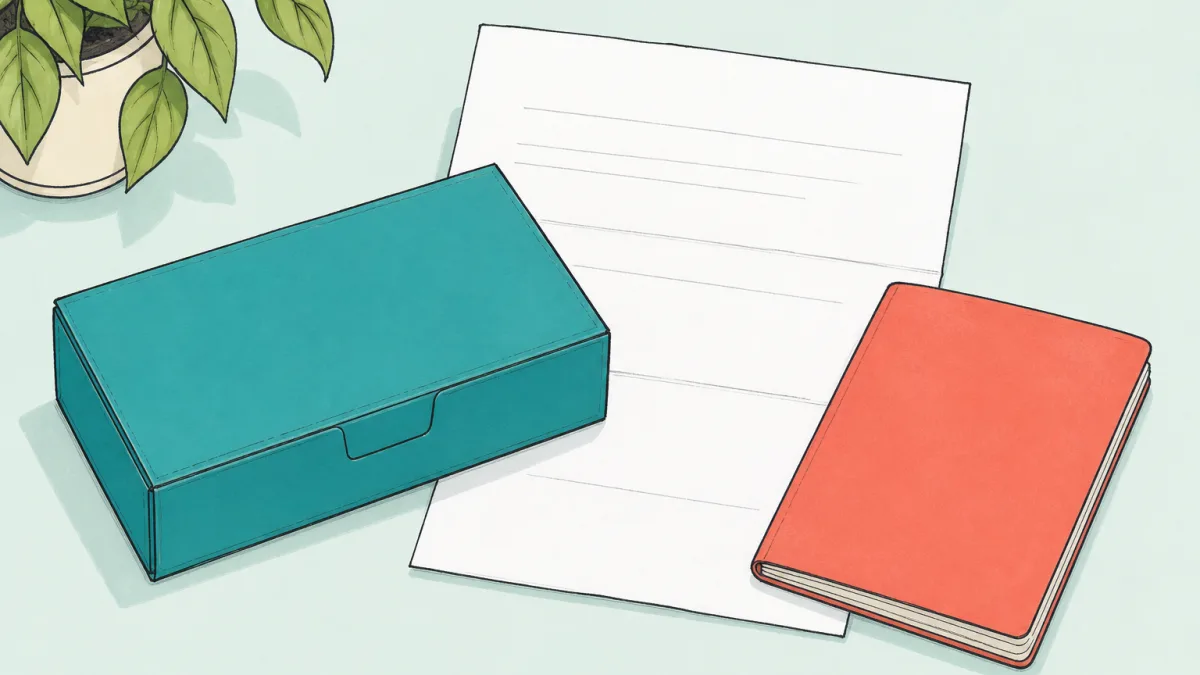
Controlled narcotic and psychotropic medicines need an English prescription or doctor’s letter, or a translation, showing the medicine, quantity and prescribed amount. The Ministry of Health guide says to declare medicines covered by the Dangerous Drugs Act on arrival. Check any prior-approval requirement for the exact product before travel. The NPRA has a public product-registration search.
Regulatory note: NPRA and Ministry of Health guidance for this article was checked on 5 July 2026 and rechecked on 23 September 2026. Rules can change, especially for controlled, narcotic and psychotropic medicines. Always verify the exact medicine against current NPRA and Ministry of Health guidance before you travel.
What if my medicine is hard to find, or I run out?
See a registered Malaysian doctor for ongoing prescriptions when you stay longer than a month. That is the Ministry of Health traveller guide’s instruction, including for MM2H residents. Bring the current pack and prescription so the doctor can identify the medicine. For delivery, check the dispensing pharmacy and local prescription rules.
How do I check that medicine is genuine?
Check the pack and the seller, and confirm the product is registered. A genuine pack arrives sealed and undamaged, with the active ingredient, strength, maker, batch number and expiry all clearly printed and matching across the box and the blister. Loose tablets in an unmarked bag, smudged printing, or a missing batch and expiry are reasons to pause and ask.
Check product registration through the NPRA search. WHO warns about substandard and falsified medicines sold through informal or unauthorised online sources. Pack warning signs are described in the generic-medicines guide.
How should I store medicine in Malaysia’s heat and humidity?
Keep medicines cool, dry and out of direct sun, and leave tablets in their original blister until you take them. Heat and humidity break the active ingredient down faster, so a tablet that would keep to its printed expiry in a cool country can lose strength sooner here.
Do and don’t
Do:
- Ask for the active ingredient and strength, not just a brand name.
- Keep the box and leaflet, check the batch number and expiry, and follow any refrigeration instruction.
- Carry a prescription or doctor’s letter for regular and controlled medicines.
- Use a clinic or hospital for ongoing conditions and anything that needs a diagnosis.
- Check current NPRA and Ministry of Health rules before travelling with any controlled medicine, and arrange prior approval if one is needed.
- Bring enough of any regular medicine to cover settling in, plus a margin.
Don’t:
- Rely only on a foreign brand name the local pharmacy may not stock.
- Buy loose tablets in unlabelled bags, or packs with smudged printing or no batch and expiry.
- Store medicines in the bathroom, the kitchen or a hot car; ask a pharmacist about tablets that have changed colour or texture.
- Travel with sedatives, stimulants or strong psychiatric medicines without checking the rules first.
- Self-prescribe antibiotics or controlled medicines to save a clinic visit.
- Leave refills until the last few tablets.
Frequently asked questions
How do I check a medicine is registered in Malaysia? NPRA runs a public product-registration database you can search to confirm whether a product is registered before you buy. If you are unsure which local product matches your medicine, ask a registered pharmacist and check the active ingredient and strength on the pack.
Can I use a prescription from my home country in Malaysia? A foreign prescription is useful documentation and helps a pharmacist or doctor understand what you take, but it does not automatically entitle you to dispense a medicine here. For a controlled medicine, expect a local assessment, and carry the prescription or a doctor’s letter, especially when bringing your own supply in.
Is medicine delivery available in Malaysia? Some licensed pharmacies offer delivery, which can help where a medicine is hard to find nearby or only the pricier brand is stocked locally. A licensed online pharmacy should show who dispenses the medicine, where it is licensed, whether a prescription is required, and how restricted medicines are handled.
Where can I check a local equivalent?
Compare the active ingredient, strength and form with your existing pack. Browse by active ingredient, category or condition. The ordering and delivery guide explains the online process where available.
Travelling elsewhere in the region? We have matching guides for Thailand, Singapore, Hong Kong and the Philippines, and a guide to buying generic medicines in Asia.
This guide is general information, not medical or legal advice, and import rules can change. For anything that depends on your own medicine or your own situation, check the current NPRA and Ministry of Health guidance or ask a qualified healthcare professional.
Useful links
- Ministry of Health Malaysia: traveller’s guide to bringing medication into Malaysia
- National Pharmaceutical Regulatory Agency (NPRA): product registration search
- UK Foreign Office: Malaysia travel advice, health and medication