
Key facts
- Ask for the active ingredient and strength, not just the brand you used at home.
- Most everyday medicine is sold over the counter at retail pharmacies; some medicines need a prescription, and controlled medicines are restricted.
- To bring your own supply in, keep medicines in their original packaging and carry a copy of your prescription or a doctor’s letter.
- The Thai FDA allows roughly a 30-day personal-use supply of medicines containing certain controlled substances; up to about three months needs an advance permit.
- Narcotic medicines need separate Thai FDA permission, and cannabis and some products are restricted.
- Store medicines cool, dry and out of direct sun. Thailand’s heat and humidity degrade tablets faster than a temperate climate.
- For an ongoing condition, use a doctor, clinic or hospital pharmacy rather than relying only on counter advice.
Thailand is one of the easier places in Asia to keep yourself supplied with medicine, which is part of why so many people retire, work or travel here long term. Retail pharmacies are common in the cities and tourist areas, and most everyday medicine is close to hand. The system works differently from home, though. The brands are unfamiliar, the rules on bringing your own supply have detail worth knowing, and the climate is hard on anything you store. This guide covers how to buy, bring in and keep your medicines going while you are in Thailand.
Can foreigners buy medicine in Thailand?
Yes. Foreigners can buy medicine at Thai pharmacies the same way residents do. Many everyday medicines are available over the counter; some require a prescription, and controlled medicines are restricted and checked against Thai FDA rules.
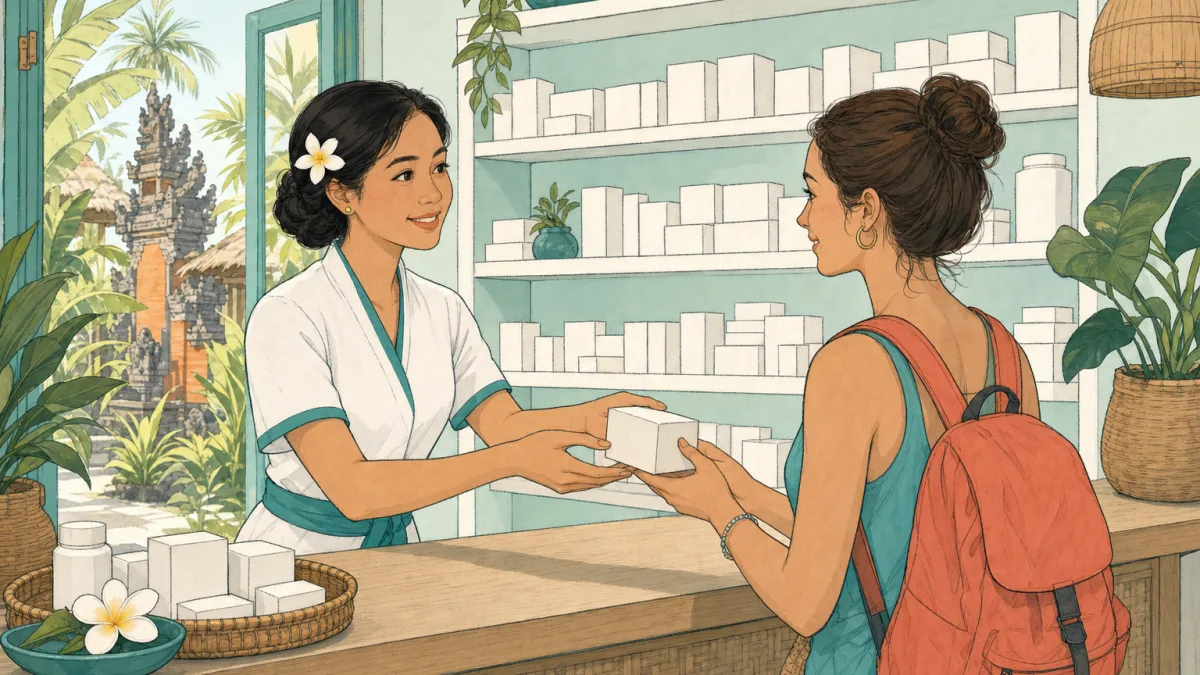
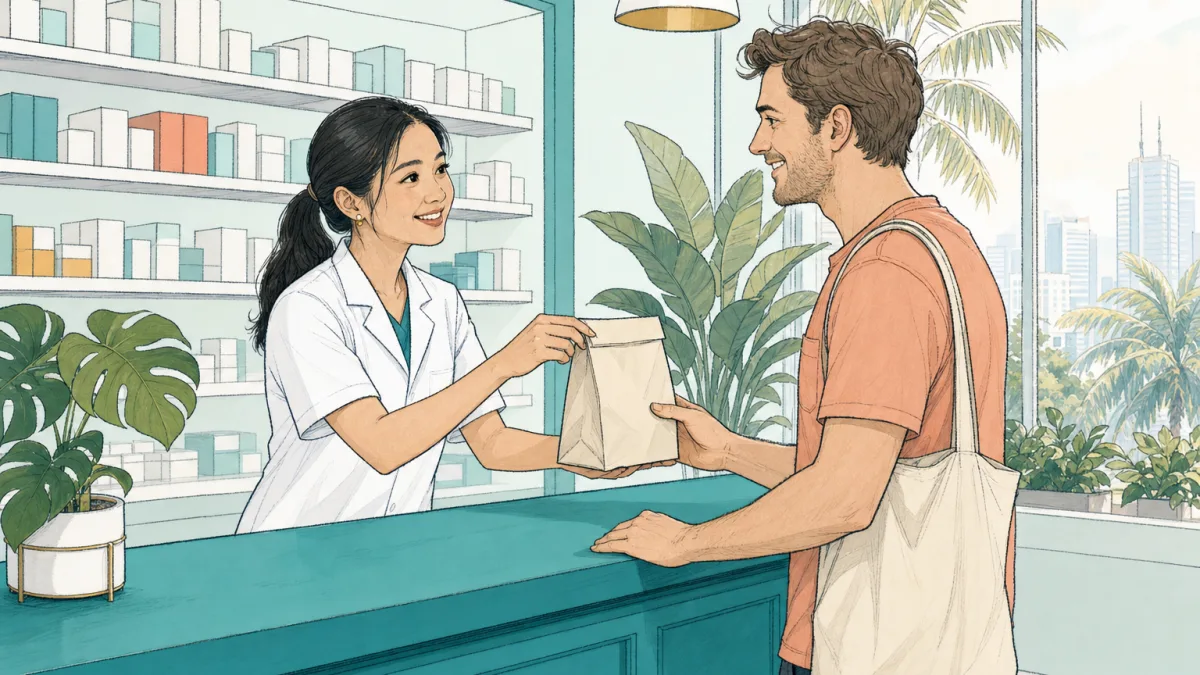
Thailand has a dense network of pharmacies, from small independents to chains in Bangkok, Chiang Mai, Phuket, Pattaya and Koh Samui. Hours, stock and English support vary. Bring the ingredient and strength written down, plus an empty box or clear photo, to help staff compare a local brand. Save regular medicine names on your phone and use a translation app if needed; a clinic is safer than guessing at the counter for ongoing treatment.
Should I use a pharmacy, clinic or hospital?
Use a retail pharmacy for minor, familiar needs. Use a clinic or hospital pharmacy for anything that needs assessment, a new or ongoing condition, or a repeat of a long-term medicine. Thailand has plenty of both, and private hospitals in cities and tourist areas are used to international patients. An early doctor visit can establish a record of a regular medicine for later refills. If the local product is unfamiliar, have the ingredient, strength, dosage form and Thai legal status checked. For a non-urgent online refill, verify the dispensing pharmacy, its licence and how it handles prescriptions.
What does medicine cost in Thailand?
Prices vary by pharmacy type and by brand. The same medicine can cost different amounts at a hospital pharmacy, a chain pharmacy and an independent one, and an original brand costs more than a generic of the same active ingredient. Ask for the active ingredient, the strength and the generic option before comparing prices.
A generic has the same active ingredient as a well known brand. Paracetamol, for example, can appear under different names. Choosing the generic version, where one exists, is usually the simplest way to keep costs down without changing the treatment itself. If you take something regularly, it can pay to compare the local price against ordering it once you know the active ingredient.
Can I bring prescription medicine into Thailand?
The Thai FDA allows a personal-use supply of medicine for up to 30 days; controlled psychotropic and narcotic medicines have separate permission rules. Keep the original pack and a prescription or doctor’s letter, and check the exact substance before travelling.
The Thai Food and Drug Administration, part of the Ministry of Public Health, advises keeping medicines in their original packaging and carrying a copy of your prescription or a letter from your doctor. Keeping everything labelled and clearly yours, in your hand luggage, is the simplest way to avoid questions on arrival.
A prescription from home documents what you take but does not automatically authorise dispensing in Thailand. Expect a local assessment for a controlled medicine.
Some medicines need more care. The Thai FDA’s guidance on bringing health products into Thailand sets a personal-use allowance of about 30 days for medicines that contain certain controlled substances, carried with a doctor’s letter. For a larger amount, up to around three months, you apply to the FDA for a permit in advance, and the guidance is to do this roughly two weeks before you travel. Medicines classed as narcotics need separate permission, and cannabis and some other products are restricted.
These rules change, and the exact lists and limits are set by the Thai authorities, not by any general guide. Before you fly with anything you are unsure about, check the current Thai FDA guidance on psychotropic substances for your specific medicine, or ask them directly. It is far easier to sort a permit at home than to explain a problem at the airport.
Regulatory note (5 July 2026; rechecked 23 September 2026): The cited Thai FDA page allows up to 30 days of ordinary medicine for personal use. For Schedule II, III and IV psychotropics, a 31-to-90-day supply requires Form IC-2 at least 15 days before travel; narcotics require separate permission. Check the exact substance on the current Thai FDA page before flying.
How should I store medicine in Thailand’s heat and humidity?
Keep medicines cool, dry and out of direct sun, and leave tablets in their original blister until you take them. Heat and humidity break the active ingredient down faster, so a tablet that would keep to its printed expiry in a cool country can lose strength sooner here.
A bedroom drawer is better than a steamy bathroom, kitchen shelf, sunny windowsill or hot car. Check the label before refrigerating anything. Replace tablets that have become discoloured, soft or crumbly; buy quantities you can store properly.
Do and don’t
Do:
- Ask for the active ingredient and strength, not just a brand name.
- Keep the box and leaflet. Check that the sealed pack shows ingredient, strength, maker, batch and expiry on box and blister; the generic-medicine guide has a fuller pack checklist.
- Carry a prescription or doctor’s letter for regular and controlled medicines.
- Use a clinic or hospital pharmacy for ongoing conditions and anything that needs assessment.
- Check current Thai FDA rules before travelling with any controlled medicine, and arrange a permit in advance if one is needed.
- Bring enough regular medicine to settle in, plus a margin. Plan blood-pressure, thyroid or diabetes refills a few weeks ahead; see chronic medicines and the Thai retirement visa for a longer stay.
Don’t:
- Rely only on a foreign brand name the local pharmacy may not stock.
- Buy loose tablets in unlabelled bags, packs with smudged printing or missing batch and expiry, or a suspiciously cheap offer from an unidentified seller.
- Store medicines in the bathroom, the kitchen or a hot car.
- Travel with narcotic or psychotropic medicines without checking the rules first.
- Self-prescribe antibiotics such as amoxicillin or controlled medicines to save a clinic visit.
- Leave refills until the last few tablets.
What should I do next?
Keep the ingredient and strength of each regular medicine on your phone, and arrange the next refill before you run low. Browse by active ingredient, category or condition; how ordering and delivery work explains the steps.
Travelling elsewhere in the region? We have matching guides for Singapore, Malaysia, Hong Kong, the Philippines and Bali.
This is general information. Check the current Thai FDA rules for your exact medicine and ask a clinician about your treatment; import rules can change.
Useful links
- Thai FDA: bringing health products into Thailand for personal use
- Thai FDA: narcotic drugs and psychotropic substances
- Thai FDA: official website
- World Health Organization: substandard and falsified medical products