
Key facts
- Avoid a refill gap. Blood-pressure, cholesterol and diabetes treatment depends on a steady supply even when you feel well.
- Write down each active ingredient and strength. The familiar brand may have a different name in a Thai pharmacy.
- Check your first supply against the Thai FDA limit. Its personal-use guidance permits medicines needed for up to 30 days; bring labelled packs and a doctor’s letter.
- Check controlled medicines separately. Some psychotropic medicines need an advance permit for longer supplies, and narcotics have their own permit rule.
- Compare the actual product and price. A generic of the same ingredient may cost less than the familiar brand.
- Store the medicine, not just the paperwork, carefully. A cool, dry drawer away from sun is preferable to the bathroom, kitchen or car.
- Check the visa category. Some long-stay categories require health insurance; use an official Thai source for current requirements.
Why does a steady supply matter most?
Feeling well does not tell you whether your blood pressure is controlled. The World Health Organization estimates that 44% of adults with hypertension are unaware they have it. Its point is direct: people may feel no symptoms, so measurement matters. Someone already taking daily treatment has another practical question on moving day: where will the next box come from? That is worth settling before the current box is empty.
The same runs through all three conditions. Managing blood pressure and cholesterol is how you lower the risk of a heart attack or stroke, which the WHO calls the world’s leading cause of death, and keeping diabetes controlled is how you avoid its longer-term complications. None of that hangs on a single dose. It hangs on not running out. For anyone moving abroad with a long-term condition, that is the real task, and it is a solvable one.
How much of a first supply should I bring?
Bring a personal supply that fits Thai FDA rules and arrange the next refill before it runs low. The Thai FDA’s cited personal-use page allows medicines needed for up to 30 days. Keep the original labelled packs in hand luggage, with a prescription copy or doctor’s letter listing what you take and why. The letter can help at the border and at your first local appointment.
Our guide to buying medicine in Thailand goes further into the import rules. On the Thai FDA page, the general medicines entry is separate from psychotropic substances and narcotics. For prescribed psychotropic substances in Schedules II, III and IV, the FDA describes a 30-day supply with a doctor’s certificate or prescription, and a permit for 31 to 90 days. Narcotics require an FDA licence. Check the classification of your own medicine before flying; an ordinary tablet and a controlled one do not use the same rule.
How do I find my medicine by active ingredient?
Read the active ingredient on the box, not the brand, because the same active ingredient is very likely stocked in Thailand under a local name. The common medicines for these conditions are widely stocked here: amlodipine and losartan for blood pressure, atorvastatin for cholesterol, and metformin for type 2 diabetes, among many others. The name on the box may differ, but the active ingredient is what a pharmacist recognises.
Once you know the active ingredient and the strength, matching the local product is simple, and a pharmacy or clinic can help. Our active ingredient pages group the brands that share a molecule, so you can recognise yours wherever you are, and you can browse the categories that matter most for retirees directly: heart and blood pressure, cholesterol management and diabetes management. Our medicine brand name decoder explains how one active ingredient carries many brand names.
What does a chronic medicine cost in Thailand?
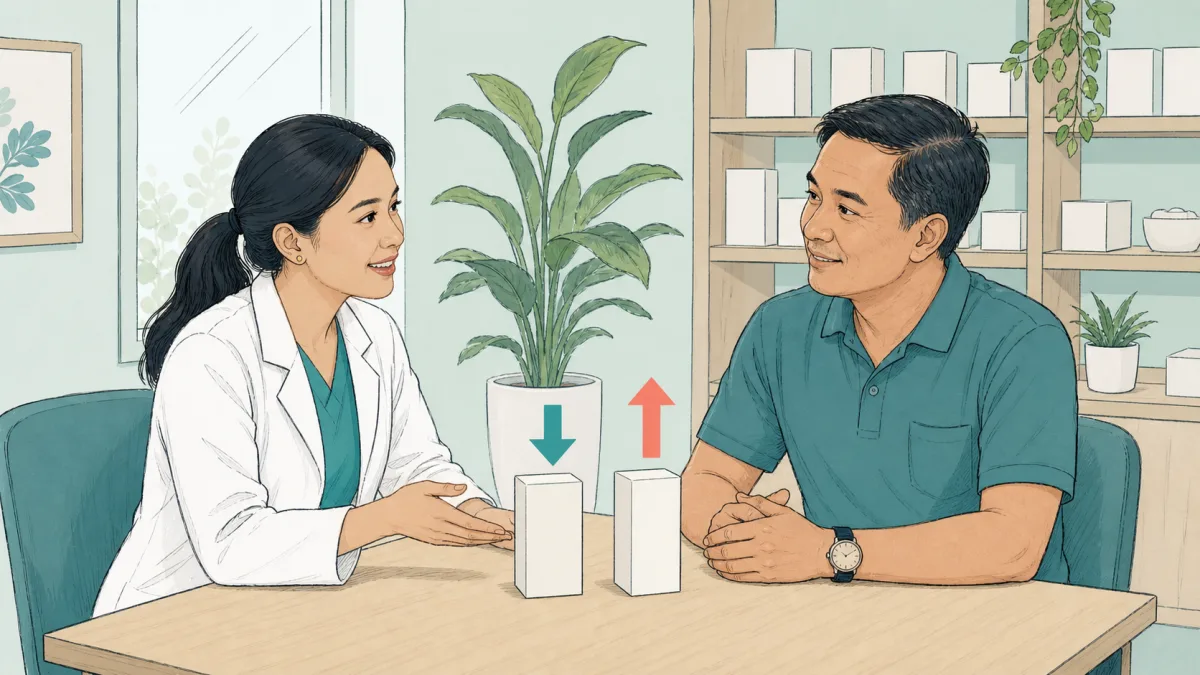
Prices vary by pharmacy type and by brand, and an original brand costs more than a generic of the same active ingredient. For a lifelong medicine, price is not a one-off, it is a yearly cost that repeats for as long as you take it, so small differences matter. Choosing the generic version, the same active ingredient as a familiar brand without the brand price, is the simplest way to keep the cost down without changing the treatment.
Across blood pressure, cholesterol and diabetes together, the saving from generics over a year of daily tablets can add up. It is worth asking, for each of your medicines, whether a generic is available, and comparing what you pay locally against having it delivered once you know the active ingredient. Our guide to buying generic medicines in Asia covers how generics work and how to check a pack.
How do I keep the supply steady so I never run out?
Set up a routine reliable enough that you never reach the last few tablets without a plan: learn the local active-ingredient name early, and line up a steady source before the first box runs low. Many retirees set up with a local doctor early, which gives a clear record of what they take and makes each refill simpler. From there you can buy locally, or order and have your medicine delivered, whichever is steadier where you live.
For a medicine you take every day, the priority is never running out. A gap in a blood-pressure, cholesterol or diabetes medicine is worth real effort to avoid, so plan a few weeks ahead rather than days. Where a medicine is hard to find nearby, or only the pricier brand is stocked, ordering the generic and having it sent keeps the supply going without the legwork.
On ZoneMD, you can search by ingredient and compare listed brands and generics. Licensed pharmacy partners handle dispensing and delivery; how ordering works sets out the ordering steps. Make the choice while you still have tablets at home, rather than treating delivery as an emergency refill.
Should I monitor my condition at home?
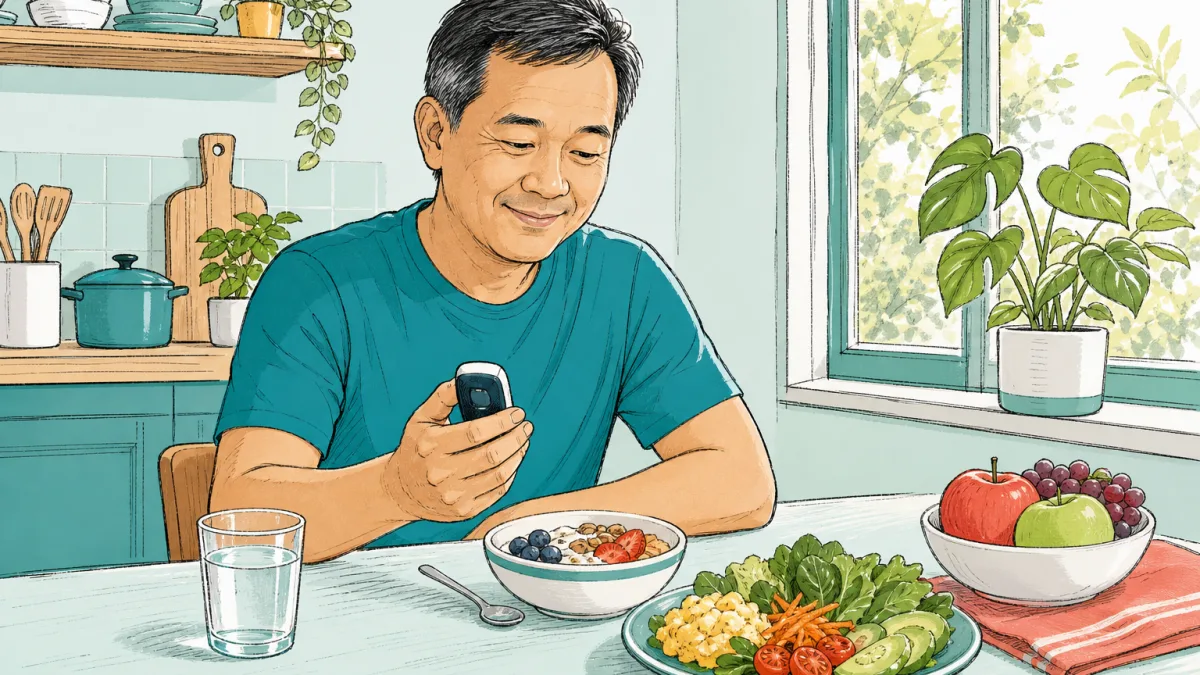
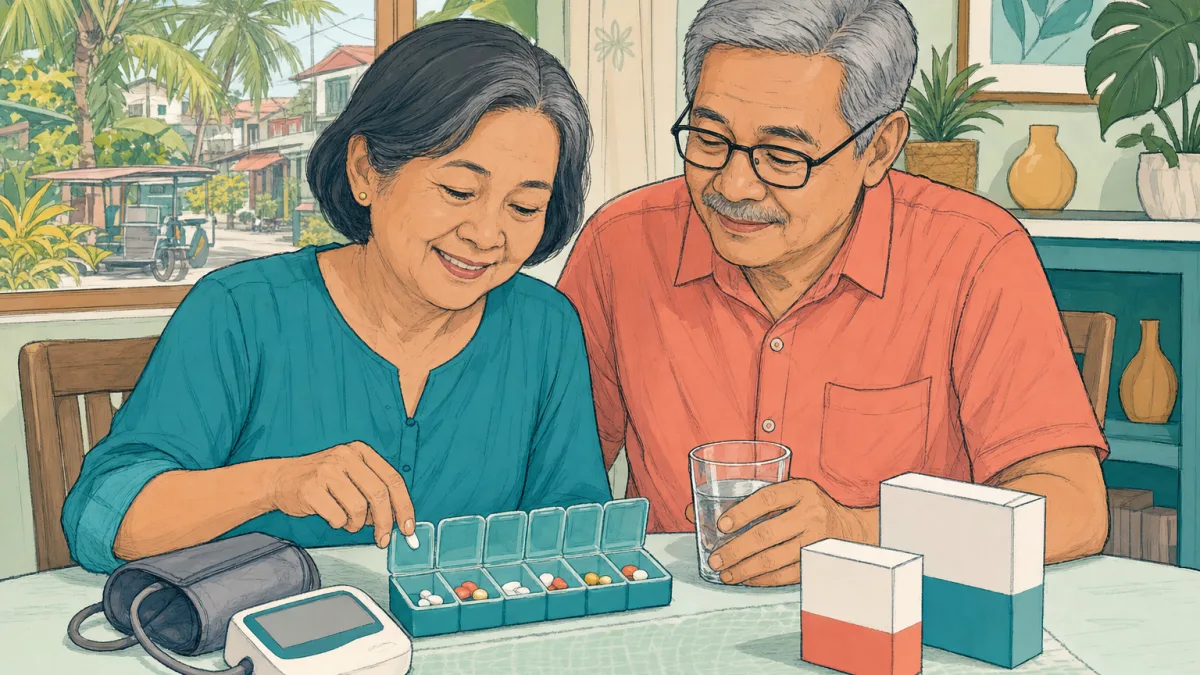
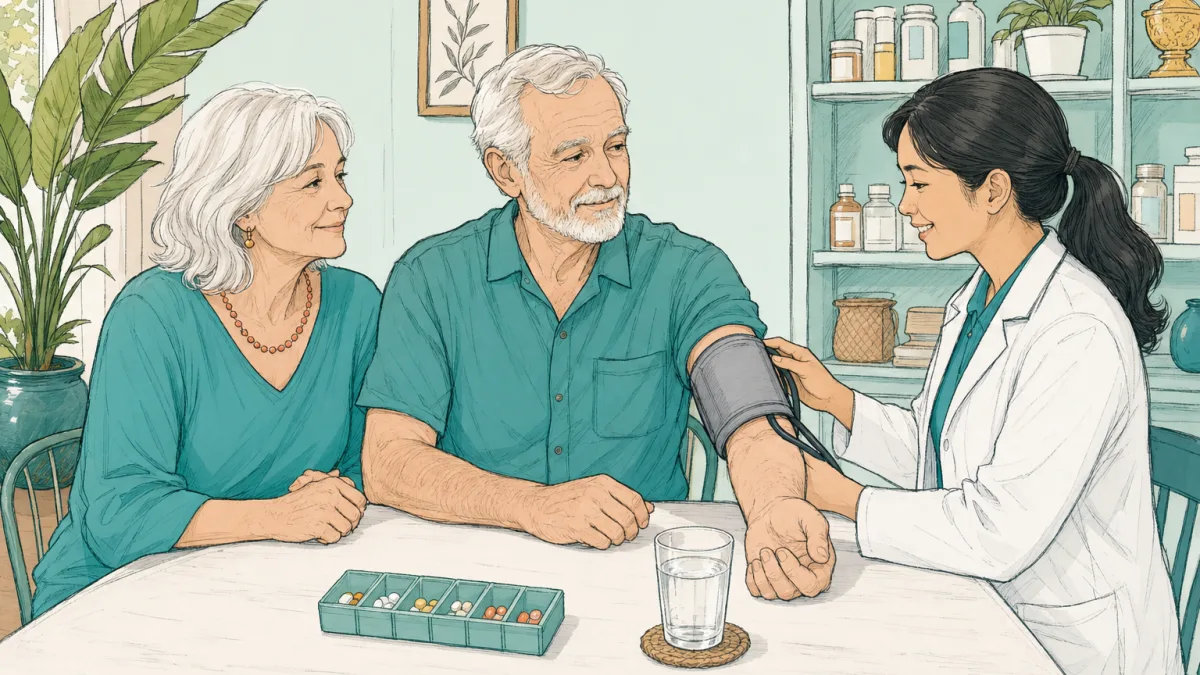
Bring a record of home readings to a clinician, rather than changing a medicine on the basis of one result. The WHO hypertension sheet says measuring blood pressure is the way to detect it, and that a professional assessment still matters even when someone uses an automated home device. If you have a monitor, write down the readings you see between visits. Many people with diabetes already track their levels at home too.
If a reading drifts, or you simply feel different, that is the signal to see a doctor, not to adjust your own dose. Keep the point of monitoring clear: it is there to flag a change early, so a professional can decide what, if anything, to do about it.
How should I store medicine in Thailand’s heat?
Keep medicines cool, dry and out of direct sun, and leave tablets in their blister until you take them. Thailand’s heat and humidity are hard on medicine, and a daily tablet you rely on for years is exactly the kind to keep in good condition. Avoid the bathroom and the kitchen, where heat and steam collect.
The storage line on each new box decides whether it needs refrigeration. Otherwise, choose a dry bedroom drawer or a cupboard in an air-conditioned room. That is a better destination than the car or a sunlit window. Buy quantities you can protect from heat; a year’s stockpile is hard to keep well in a damp home.
Check the tablets when you take them out. If they have become soft, discoloured or crumbly, replace them.
Does the retirement visa affect my medicines?
Not the medicines themselves, but some long-stay visa categories require health insurance, and those rules are set by the Thai authorities and change, so check an official source. The retirement visa has its own requirements, and for some categories that includes holding health insurance that meets a set level of cover. The figures attached to them differ between visa types.
Because of that, the only reliable source is the official one. Check the current requirements on an official Royal Thai embassy or consulate page, or with Thai immigration, before you rely on any figure you read elsewhere. This guide is general information, not visa, legal or financial advice, so treat the official page as the last word, and budget for insurance as part of the cost of retiring here.
Regulatory note (checked 5 July 2026; rechecked 23 September 2026): Confirm the current Thai FDA personal-import rule for your exact medicine before flying. A controlled medicine may require permission before travel.
Do and don’t
Do:
- Learn the active ingredient and strength of each medicine, not just the brand name.
- Arrive with a generous buffer of everything you take, in its original labelled packaging.
- Carry a doctor’s letter listing your medicines, their active ingredients and the doses.
- See a local doctor early to set up a record and a local supply.
- Ask, for each medicine, whether a generic is available, and compare local price against delivery.
- Store medicines cool and dry, and keep a quiet home check on how your treatment is holding.
Don’t:
- Wait until the last blister to find a pharmacy, or rely on the foreign brand name alone.
- Adjust a dose because of one home reading. Show the record to a clinician.
- Keep spare tablets beside the kettle, in a parked car or as a year’s stockpile in a damp room.
- Rely on an old insurance figure when the official visa page can change.
Frequently asked questions
Can I bring a large supply of my blood pressure, cholesterol or diabetes tablets into Thailand? For ordinary tablets like these, a documented personal supply in its original packaging is usually straightforward. Carry a copy of your prescription or a doctor’s letter, and check current Thai FDA guidance for the amount, since controlled medicines have stricter limits.
Will I need a new prescription in Thailand for a medicine I already take? Often yes for ongoing supply. Bring the foreign prescription or letter to the local appointment. It tells the doctor or pharmacist what you have taken so far, but a local assessment can still be needed to establish a refill routine.
What if only the expensive brand of my medicine is stocked nearby? Ask a pharmacist to look up the active ingredient, then compare the local options with delivery. The familiar brand’s price may be only one of several prices for the same ingredient.
What should you arrange in your first weeks?
Set up the next refill while your first supply is still intact. The first weeks give you time to work through the practical steps:
- Arrive with a generous buffer of each medicine, in its original labelled packaging.
- Carry a doctor’s letter listing your medicines, their active ingredients and the doses.
- See a local doctor early to set up a record and a local supply.
- Note the active ingredient of each medicine, so you can recognise the local version.
- Decide, for each one, whether buying locally or having it delivered is more reliable for you.
- Sort your visa’s health-insurance requirement through an official source, not hearsay.
Repeat the supply check before each box gets low. Settling in does not remove the need to plan the next refill.
Where can you check the next medicine or refill step?
Start with the active ingredient on your current pack. Browse by active ingredient, category or condition. The how ordering and delivery work page explains the next step, and the guide to buying medicine in Thailand covers the wider market. Keep the original packaging for the local doctor or pharmacist.
This guide is general information, not medical, financial or visa advice. For your treatment, follow your doctor; for visa and insurance rules, follow the official Thai sources.
Useful links
- World Health Organization: hypertension
- World Health Organization: cardiovascular diseases
- World Health Organization: diabetes
- Royal Thai Consulate-General, Chicago: long-stay (O-A / O-X) visa requirements
- Thai FDA: bringing health products into Thailand for personal use