
Key facts
- Type 2 diabetes is long-term but very manageable, and catching it early makes the biggest difference.
- Singapore runs a national War on Diabetes, declared by the Ministry of Health in 2016, with screening, food labelling and support built in.
- Lifestyle is the foundation: healthy eating, activity and weight management help the body keep blood sugar in range, and can be enough on their own in the early stages.
- The usual first-line tablet is metformin; newer classes such as SGLT2 and DPP-4 inhibitors are added as needed, decided and reviewed with your doctor.
- Ask for the active ingredient and strength, not just the brand. A genuine generic of the same ingredient, strength and form may cost less; confirm a switch with the clinician or pharmacist.
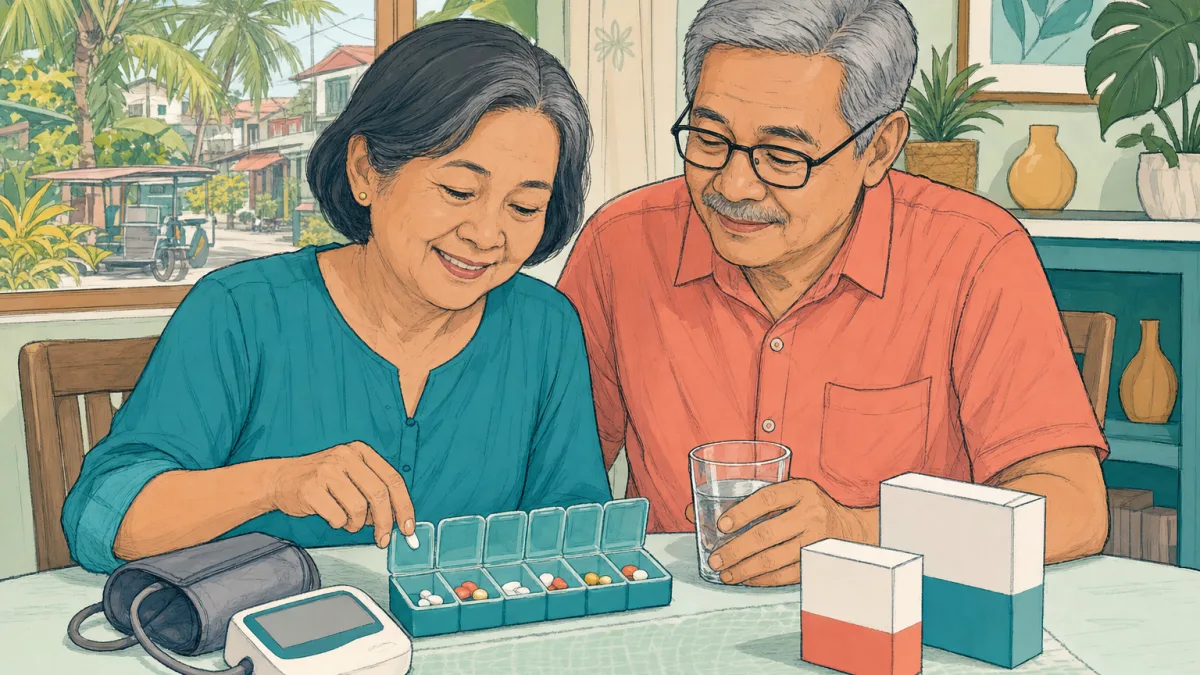
- Diabetes medicine is taken every day, often for life, so a steady supply that never runs low matters more than anything.
- Keep your regular reviews: diabetes care includes periodic checks on eyes, kidneys, feet and heart, because the condition is quiet.
Few countries take diabetes as seriously as Singapore. It is common here, it tends to run quietly for years before it is noticed, and the consequences of letting it slide are significant. The encouraging part is that type 2 diabetes is very manageable, and Singapore has built an unusually strong national effort around doing exactly that. This guide covers what diabetes is, why steady control matters, what helps day to day, the common medicines and how to find them by the right name, and how to keep a lifelong supply both reliable and affordable.
Why is diabetes a national priority in Singapore?
Singapore treats diabetes as a whole-of-country issue, so there is a great deal of support and information available. In April 2016 the Ministry of Health declared a War on Diabetes, a national effort to reduce the burden of the disease and keep people healthy as they age. That is reflected everywhere, from food labelling to community screening.
The practical message behind the campaign is simple and hopeful: diabetes is largely preventable and very manageable, and catching it early makes all the difference. If you have a family history or any risk factors, getting screened is one of the most useful things you can do.
What is type 2 diabetes, and why does control matter?
Type 2 diabetes is a long-term condition where the body cannot keep blood sugar in a healthy range, and steady control over years is what prevents harm. It happens either because the body does not respond well to insulin or does not make enough of it. The World Health Organization describes how, over time, raised blood sugar damages blood vessels and nerves, which is what drives the longer-term complications affecting the heart, kidneys, eyes and feet.
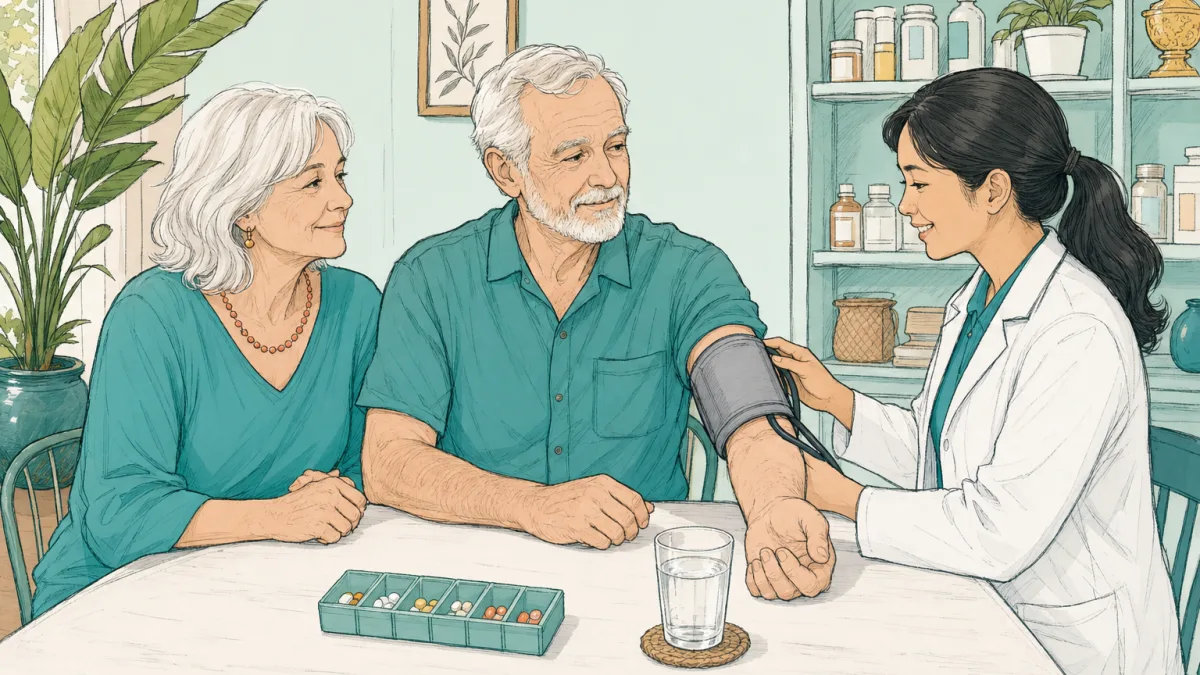
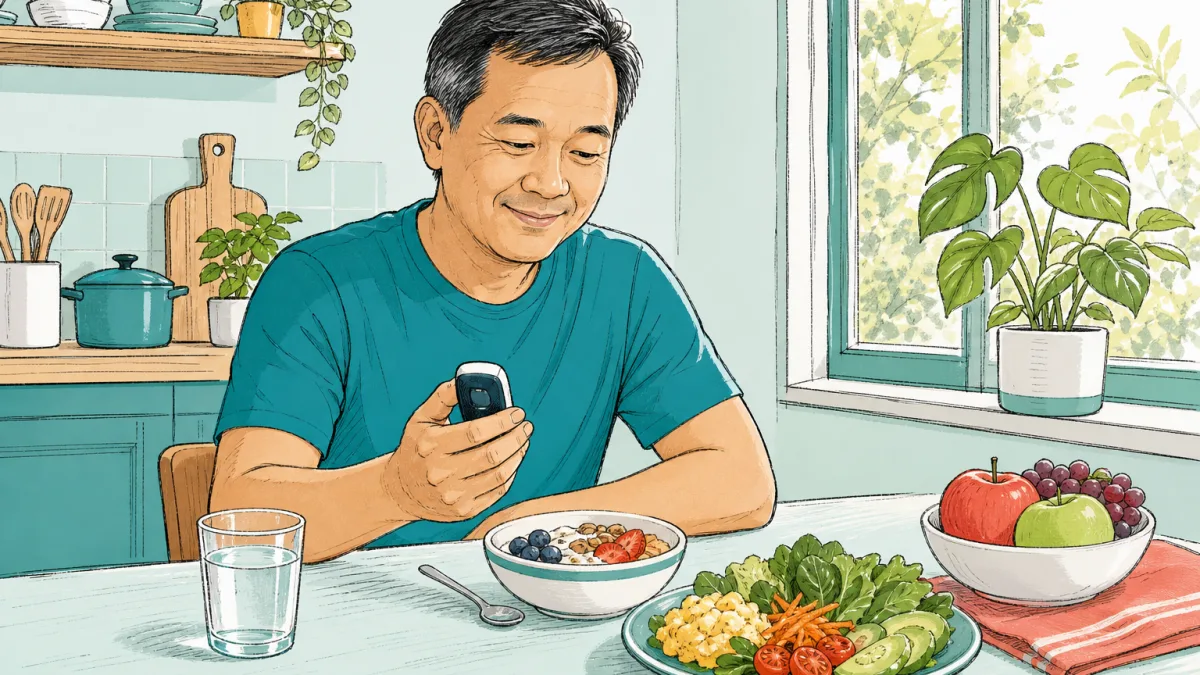
A single home reading is one point in a longer picture. Ongoing high blood sugar is what can damage blood vessels and nerves over time. Your care team looks at the pattern alongside eye, kidney, foot and heart checks.
What helps most day to day?
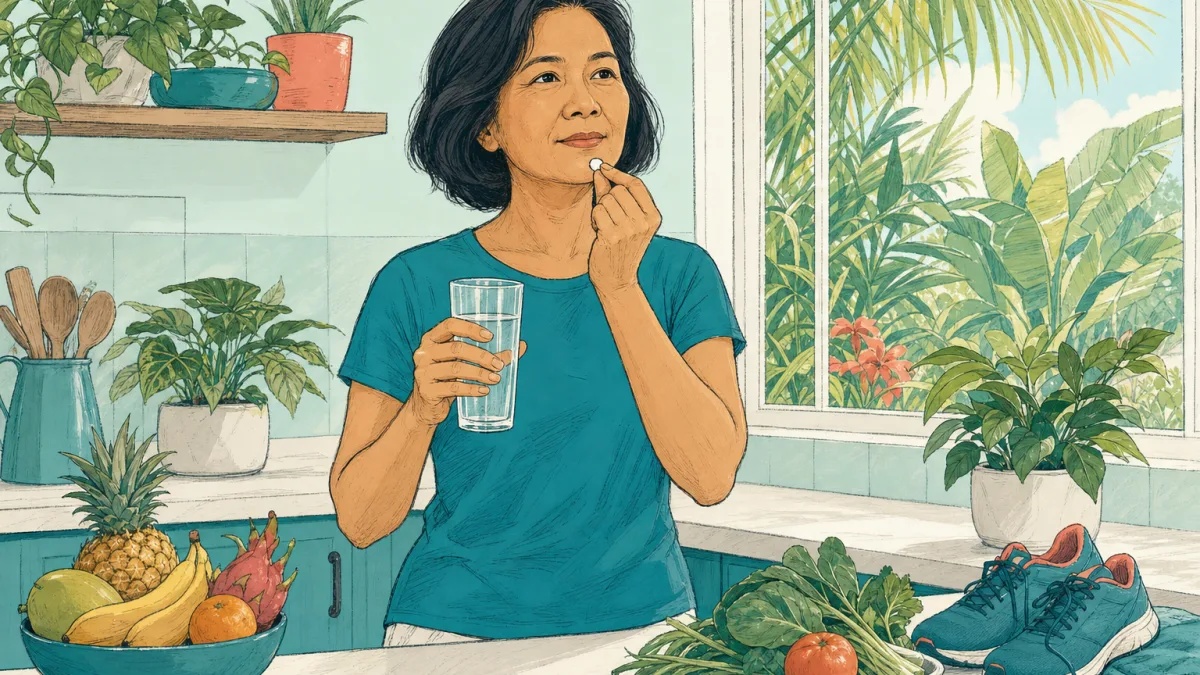
Lifestyle is the foundation, and for many people in the early stages it can be enough on its own. Singapore’s HealthHub and the wider national programme put healthy eating, regular activity and weight management at the centre of managing diabetes. Smaller portions, less sugar and refined carbohydrate, more vegetables and movement built into the day all help the body keep blood sugar in range.
Singapore offers practical cues: the Ministry of Health describes its Healthier Choice Symbol and healthier dining options, and Nutri-Grade labels drinks. For some people early in type 2 diabetes, weight and lifestyle changes can bring blood sugar into range and delay or reduce the need for medicine. Ask your doctor whether that is realistic for you; it is not a promise.
What are the common medicines for type 2 diabetes?
Metformin is often the first tablet when diet and activity are not enough. HealthHub explains that it helps the body use insulin and reduces glucose made by the liver. Other tablets or insulin may be added as the treatment plan changes.
Beyond metformin, newer classes have become important parts of treatment. The medicines widely used here include metformin, the SGLT2 inhibitors such as empagliflozin and dapagliflozin, and DPP-4 inhibitors such as sitagliptin, among others in the diabetes management range. Which medicine, or combination, is right depends on your blood sugar, your other health conditions and how you respond, which is why this is a decision made and reviewed with your doctor rather than a fixed formula. We do not give doses here for that reason.
Do and don’t
Do:
- Book the next GP or polyclinic review while tablets remain; take the current box and prescription.
- Ask when eye, kidney, foot and heart checks are due, even if home readings are steady.
Don’t:
- Read one good meter result as permission to stop treatment.
- Choose an online refill without identifying the licensed dispenser and its prescription rules.
When should I see a doctor?
Diabetes should always be managed with a doctor, so book a review if any of these apply.
- You have risk factors or a family history and have not been screened.
- Your home readings are drifting up, or swinging in a way they did not before.
- You feel unusually thirsty, tired, or are passing more urine than normal.
- You are struggling with your medicine or its side effects, rather than settling.
- You notice any problem with your feet, vision or general health.
A good care team turns diabetes from a worry into a routine, well-managed part of life.
This is general information. Your doctor can set a plan for treatment, monitoring and follow-up that fits your health.
Useful links
- ZoneMD: ingredient index, categories, conditions, buying medicine in Singapore
- ZoneMD: type 2 diabetes, diabetes management, licensed partner pharmacy ordering and delivery
- ZoneMD: high cholesterol, HRT and menopause, mental health
- Ministry of Health Singapore: War on Diabetes
- HealthHub (Singapore): diabetes
- HealthHub (Singapore): diabetes treatment, tablets
- World Health Organization: diabetes