
Type 2 Diabetes
Type 2 diabetes develops when cells stop responding properly to insulin, leaving blood sugar chronically elevated. It builds silently for years, and by the time it is diagnosed, through fatigue, frequent urination, slow-healing cuts, or a routine blood test, glucose may already have been running high for a long time. Diabetes risk is rising quickly worldwide; some people cross into diabetes-range blood sugar at lower body weights than average, so screening matters even for those who appear lean.
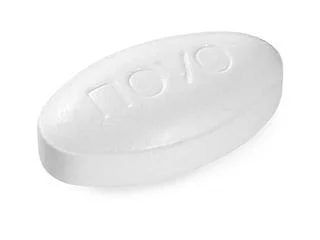
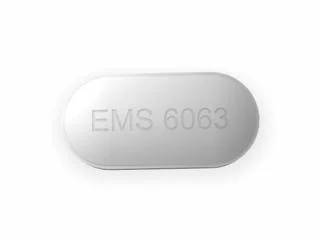
Glucophage
500 · 850 · 1000mg
Metformin 500mg, 850mg and 1000mg tablets, film-coated and prolonged-release, used in the management of type 2 diabetes mellitus. A biguanide.

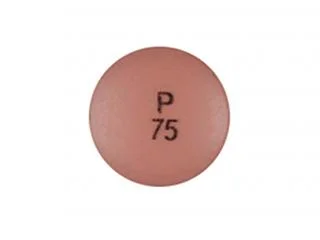


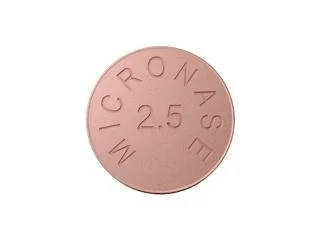

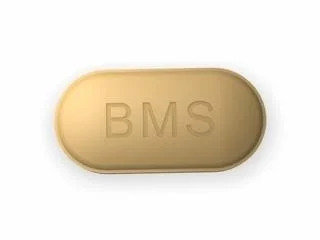
Glucovance
400/2.50 · 500/5mg
Metformin with glibenclamide as a film-coated tablet, used in the management of type 2 diabetes mellitus. A biguanide paired with a sulfonylurea.
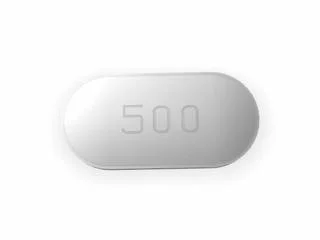
Glucophage SR
500mg
Glucophage SR is metformin 500mg in a prolonged-release tablet for type 2 diabetes mellitus, releasing the biguanide slowly across the day.
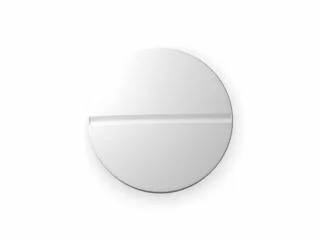
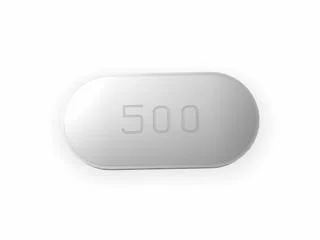
Glucophage XR
1000mg
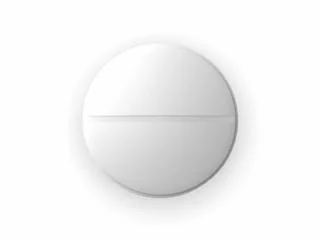
Glucophage XR is metformin at the 1000mg prolonged-release strength for type 2 diabetes mellitus, cutting glucose output from the liver.
Kombiglyze XR
5/500 · 5/1000mg
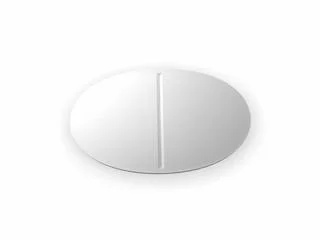
Kombiglyze XR pairs saxagliptin with metformin in a prolonged-release tablet for type 2 diabetes mellitus, a DPP-4 inhibitor alongside a biguanide.




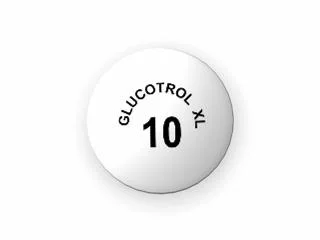
Glucotrol XL
5 · 10mg
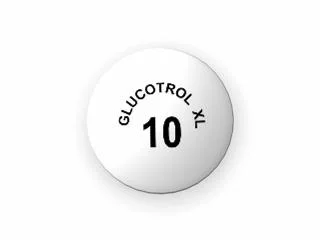
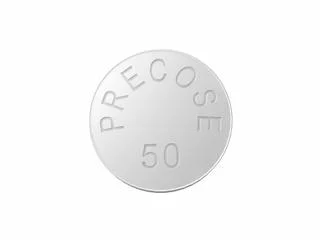
Glucotrol XL is glipizide 5mg and 10mg in a prolonged-release tablet for type 2 diabetes mellitus. A second-generation sulfonylurea.

Jentadueto
2.5/500mg
Linagliptin with metformin as a film-coated tablet, used in the management of type 2 diabetes mellitus. A DPP-4 inhibitor paired with a biguanide.

Key points
- Muscle and fat cells stop responding properly to insulin, so the liver keeps releasing glucose the body cannot absorb.
- A family history in a parent or sibling roughly doubles the lifetime chance of developing the condition.
- Metformin is usually the first medicine added, lowering the amount of glucose the liver releases into the blood.
- Consistently high blood sugar damages small blood vessels over time, raising the risk of kidney failure, vision loss and nerve damage.
What drives blood sugar out of range
Insulin resistance is the core problem: the pancreas keeps producing insulin, but muscle and fat cells respond to it poorly, so the liver keeps releasing glucose into the blood. Excess body weight, physical inactivity, and a diet heavy in refined carbohydrates all amplify the resistance. Genetics matters too, having a parent or sibling with the condition roughly doubles lifetime risk. Over time the pancreas tires and insulin output falls, pushing blood sugar higher still.
Medicines used in type 2 diabetes
Lifestyle changes, reducing refined carbohydrates, building daily activity, losing weight where needed, remain the foundation and can be strikingly effective in early disease. When blood sugar needs further control, metformin is typically the first medicine added; it lowers liver glucose output and is well tolerated by most people. Sulphonylureas such as glipizide and glibenclamide stimulate the pancreas to release more insulin and are widely used. DPP-4 inhibitors like sitagliptin and linagliptin work with the body’s own hormones to smooth out post-meal spikes, while pioglitazone reduces tissue resistance directly. The full range of options is listed in diabetes management. Some medicines used here also support weight management, which itself improves blood sugar control.
Protecting organs for the long run
Sustained high blood sugar damages small blood vessels throughout the body, which is why uncontrolled type 2 diabetes is a leading cause of kidney failure, sight loss, nerve pain, and heart disease. Good control, keeping HbA1c close to the target agreed with your doctor, cuts these risks substantially. Symptoms that warrant prompt attention include chest pain, sudden vision change, or numbness or pain spreading into the feet.