
Repaglinide
Repaglinide belongs to a group of medications used to monitor and stabilize blood sugar levels. Commonly available as brand-name preparations like Prandin and Novonorm, this medication assists the pancreas in releasing insulin. It serves as a tool for glucose management, with variations provided to accommodate different individual treatment needs.
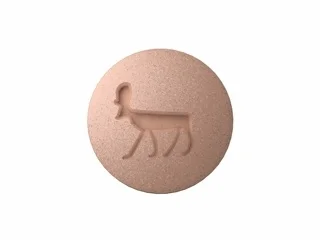
Key points
- As a meglitinide, it targets glucose spikes after eating instead of providing steady all-day blood sugar control.
- Its mechanism involves shutting potassium channels in pancreatic beta cells, which opens calcium channels and releases insulin.
- Low blood sugar signs such as dizziness, sweating or hunger are the most frequently reported reactions, alongside occasional digestive upset.
What is Repaglinide?
Repaglinide is an oral medication categorized as a meglitinide. It acts on the body to increase insulin secretion, primarily within the scope of Diabetes Management. By focusing on mealtime glucose spikes, it functions differently than other long-acting diabetes compounds. It is primarily provided in a tablet form.
What Repaglinide is used for
This ingredient is used to lower blood sugar levels in adults diagnosed with Type 2 Diabetes. It corrects the timing of your body’s insulin response following a meal. It is not used for type 1 diabetes or diabetic ketoacidosis.
How does Repaglinide work?
Repaglinide closes potassium channels in the pancreatic beta cells. This action leads to the opening of calcium channels, triggering the release of insulin. Because this process is sensitive to food intake, taking the medication before meals is necessary for it to be effective.
Repaglinide brands and forms
Established brands like Prandin and Novonorm are available for this compound. These products share the same active ingredient, though specific manufacturing processes may vary between generics and the originator brands. Tablet preparations are the standard form, designed for consistent release when taken as directed.
Safety overview for Repaglinide
What to check before using this medicine
Ensure you have a confirmed diagnosis before initiating therapy. Repaglinide is not suitable for individuals with type 1 diabetes, diabetic ketoacidosis, or specific severe liver impairments. Always confirm your current medication list to avoid potential overlaps with other blood-sugar-lowering agents.
Possible reactions and tolerability
Common reactions often relate to low blood sugar, such as dizziness, sweating, or hunger. Gastrointestinal discomfort may occur. Monitor your blood glucose frequently when you start the medication or change your intake routine.
Interactions and health factors
Certain medications, including those for heart conditions or fungal infections, may alter how this compound functions. Product labelling and verified clinical sources remain the correct references for specific contraindications, interactions and reactions.
Further reading
Related articles

23 Sept 2026 ⋅ 9 min read
Diabetes Medicines and Weight: Which Cause Loss, Which Cause Gain
A class-by-class look at how type 2 diabetes medicines affect weight, why the same medicine does different things to different people, and what to check when your prescription follows you between countries in Asia.
Read guide