
Glipizide
Physicians prescribe Glipizide to manage blood sugar levels in individuals with type 2 diabetes. Notable brands include Minodiab and Glucovance, though many generic alternatives exist. Three options are available, including common formulations like Glucotrol, Glucotrol XL, and Metaglip, addressing various intensity needs for glucose control.
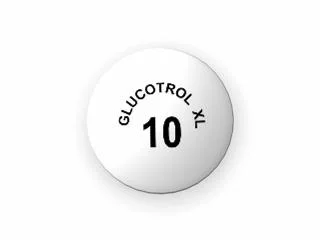
Glucotrol XL
Type 2 Diabetes Mellitus
5 · 10mg
Glucotrol XL is glipizide 5mg and 10mg in a prolonged-release tablet for type 2 diabetes mellitus. A second-generation sulfonylurea.

Key points
- It comes in both immediate-release and prolonged-release tablet forms, offering different release profiles for daily management.
- Missing a meal or taking too high a dose can occasionally bring on a more pronounced drop in blood sugar.
- It is used alongside diet and exercise rather than as a replacement for lifestyle changes.
- Existing liver or kidney impairment can change how this medicine is processed and should be flagged beforehand.
What is Glipizide?
Glipizide belongs to a class of medications known as sulfonylureas. The mechanism involves stimulating the pancreas to produce more insulin, which moves sugar from the bloodstream into cells to be used for energy. This action assists in maintaining steady glucose levels throughout the day. Various brands offer different release profiles, such as immediate and extended-release options, to suit individual management requirements.
What Glipizide is used for
Primary use is as an adjunct to diet and exercise to lower blood sugar in Type 2 Diabetes. By effectively managing insulin secretion, the medication ensures that your body maintains better metabolic balance.
Glipizide brands and forms
Generics provide an accessible way to manage Diabetes Management goals without compromising on efficacy. You will primarily find this medicine in Tablet and Prolonged-release tablet forms. While major international labels are recognised, generic alternatives often contain the identical active compound to ensure consistent results.
Safety overview for Glipizide
What to check before using this medicine
Blood glucose levels should be monitored regularly to avoid hypoglycemia. Inform practitioners of any history involving liver or kidney impairment, as these factors alter how Glipizide is processed.
Possible reactions and tolerability
Common minor reactions include digestive discomfort, nausea, or dizziness during the initial adjustment phase. Rarely, more pronounced instances of low blood sugar may occur if the meal schedule is missed or the dose is too high.
Interactions and health factors
Certain substances, including alcohol or other diabetes medications, may amplify or reduce the effectiveness of the treatment. Consult your provider about specific combinations that require caution. Product labelling and verified clinical sources remain the correct references for specific contraindications, interactions and reactions.
Further reading
Related articles

23 Sept 2026 ⋅ 9 min read
Diabetes Medicines and Weight: Which Cause Loss, Which Cause Gain
A class-by-class look at how type 2 diabetes medicines affect weight, why the same medicine does different things to different people, and what to check when your prescription follows you between countries in Asia.
Read guide