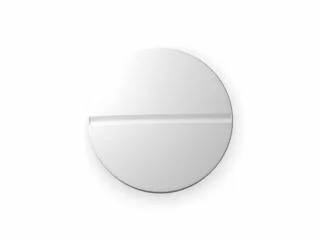
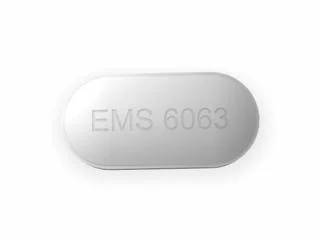
Glucophage
Type 2 Diabetes Mellitus
500 · 850 · 1000mg
Metformin 500mg, 850mg and 1000mg tablets, film-coated and prolonged-release, used in the management of type 2 diabetes mellitus. A biguanide.
From$0.25/ tabletView
Metformin (including brands like Glucophage and Glycomet) is a widely recommended first-line therapy for managing blood glucose levels in adults. Nine distinct options are available, ranging from originator brands to generics, covering various release profiles to suit individual treatment needs. It provides a foundational approach to long-term glucose management.
Type 2 Diabetes Mellitus
500 · 850 · 1000mg
Metformin 500mg, 850mg and 1000mg tablets, film-coated and prolonged-release, used in the management of type 2 diabetes mellitus. A biguanide.
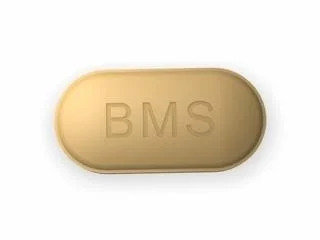
Type 2 Diabetes Mellitus
400/2.50 · 500/5mg
Metformin with glibenclamide as a film-coated tablet, used in the management of type 2 diabetes mellitus. A biguanide paired with a sulfonylurea.
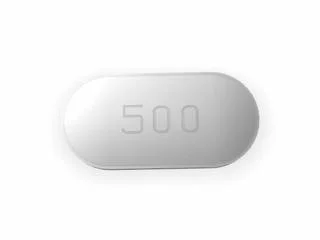
Type 2 Diabetes Mellitus
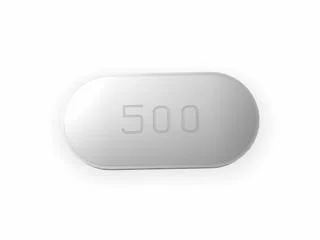
500mg
Glucophage SR is metformin 500mg in a prolonged-release tablet for type 2 diabetes mellitus, releasing the biguanide slowly across the day.
Type 2 Diabetes Mellitus
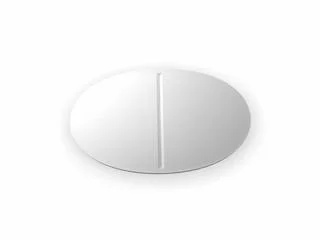
1000mg
Glucophage XR is metformin at the 1000mg prolonged-release strength for type 2 diabetes mellitus, cutting glucose output from the liver.
Type 2 Diabetes Mellitus
5/500 · 5/1000mg
Kombiglyze XR pairs saxagliptin with metformin in a prolonged-release tablet for type 2 diabetes mellitus, a DPP-4 inhibitor alongside a biguanide.

Type 2 Diabetes Mellitus
2.5/500mg
Linagliptin with metformin as a film-coated tablet, used in the management of type 2 diabetes mellitus. A DPP-4 inhibitor paired with a biguanide.
Metformin is a biguanide medication used to control blood sugar levels. It is a cornerstone of therapy due to its ability to lower glucose production without increasing insulin secretion, which generally avoids the weight gain often associated with other diabetes treatments.
Patients may choose between different release profiles, such as immediate-release tablets or prolonged-release versions. These variations exist to improve tolerability and ensure the medication remains active in the body for the desired duration effectively.
This medication is primarily used to manage Type 2 Diabetes. It works by lowering the amount of sugar produced by the liver and increasing the body’s sensitivity to natural insulin.
By addressing the underlying mechanisms of blood sugar regulation, it serves as a central component of effective glucose control. It is often used alone or in combination with other agents to reach targeted blood sugar goals.
Metformin primarily acts on the liver, where it reduces the amount of glucose the organ releases into the bloodstream. It also increases the uptake of glucose by muscle cells, making the body more sensitive to insulin.
This result means less sugar stays in the blood after meals. It does not stimulate the pancreas to create more insulin, which lowers the risk of low blood sugar events compared to some other classes of diabetes medication.
The diversity of available brands, such as Glucophage, Glycomet, and Janumet, allows patients to select a formulation that matches their lifestyle and doctor-recommended regimen. Brands often differentiate themselves through their tablet technology, such as film-coated tablets for easier swallowing or prolonged-release tablets for once-daily dosing.
When exploring Diabetes Management, these different brands and forms provide flexibility in adapting to a patient’s specific needs. Available formats include:
Prior to starting, review how this medication interacts with your current kidney function, as the kidneys are responsible for clearing the compound from the system. Discuss your medical history, especially regarding heart or liver conditions, with a health professional.
Common gastrointestinal responses may occur during the first few weeks of therapy as the body adjusts. These often include mild stomach discomfort or changes in digestion. Taking the medication with meals can improve comfort.
Metformin may interact with contrast dyes used in certain medical imaging or with other medications affecting kidney function. Always present an updated list of current supplements and medications to your provider. Product labelling and verified clinical sources remain the correct references for specific contraindications, interactions and reactions.

23 Sept 2026 ⋅ 10 min read
How to buy generic medicines in Asia: bioequivalence and safety, why Indian generics are trusted, checking a pack is genuine, generic vs branded generic, storage in a hot climate and how delivery works.
Read guide
23 Sept 2026 ⋅ 9 min read
Keeping your blood pressure, cholesterol and diabetes medicines going while retired in Thailand: bringing a supply in, finding it locally by active ingredient, and delivery.
Read guide
23 Sept 2026 ⋅ 5 min read
Managing type 2 diabetes in Singapore: the national War on Diabetes, what helps day to day, the common medicines, finding them by active ingredient, and keeping a steady, affordable supply.
Read guide
23 Sept 2026 ⋅ 9 min read
A class-by-class look at how type 2 diabetes medicines affect weight, why the same medicine does different things to different people, and what to check when your prescription follows you between countries in Asia.
Read guide
23 Sept 2026 ⋅ 6 min read
A practical guide to maintenance medicines in the Philippines for blood pressure, diabetes and cholesterol: why steady supply matters, and every way to keep the cost down, from generics to the senior discount and PhilHealth.
Read guide
23 Sept 2026 ⋅ 9 min read
Store below 30°C is a line written for a European cupboard, read in a kitchen that has not been below 30°C since March. What actually degrades, why the bathroom cabinet is the worst habit in the tropics, and what forty minutes on a motorbike does to a delivery.
Read guide