
Cephalexin
Cephalexin (Keflex) is an oral antibiotic belonging to the cephalosporin class. It treats various organisms causing systemic issues by stopping bacterial growth. Two generic formulations are available, including established brands such as Keflex and Keftab, for patients managing their health conditions.
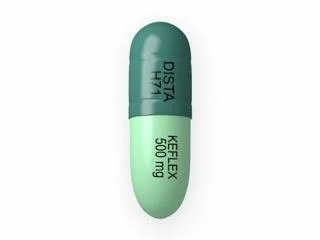

Key points
- As a semi-synthetic cephalosporin, it stays active in the bloodstream long enough to curb bacterial replication.
- It is available as a hard capsule or tablet, sold under brands including Keflex and Keforal.
- Rare but serious reactions, such as breathing difficulty or skin rash, need immediate medical attention.
- It may interact with blood thinners, so combined use should be discussed with a healthcare provider.
What is Cephalexin?
Cephalexin belongs to a group of medications known as cephalosporins, which are commonly utilised within the Antibiotics category. It functions to impede the development of specific organisms and is widely used for its efficacy in several clinical settings for different types of infections.
What Cephalexin is used for
Medical practitioners use this medication primarily to manage a Bacterial Infection. It is effective against various systemic issues, assisting the body in resolving the growth of the infecting organisms.
How does Cephalexin work?
Cephalexin disrupts the formation of the cell wall in bacteria. By preventing these organisms from establishing their protective layer, the medication allows the body to clear the infection. It remains active in the bloodstream for a duration sufficient to curb continued bacterial replication.
Cephalexin brands and forms
This medication is available in several forms to suit individual preferences, including hard capsule and tablet versions. While the chemical compound acts consistently across products, brands such as Keforal and Keflex provide different options for those seeking consistent treatment alternatives. Patients may evaluate the specific formulation and brand suitability based on their specific health requirements.
Safety overview for Cephalexin
What to check before using this medicine
Confirm that you do not have a known allergy to penicillin or cephalosporins. Provide complete medical history regarding any kidney or liver impairment to your healthcare provider.
Possible reactions and tolerability
Common responses may include mild digestive upset, nausea, or diarrhoea. Rare but serious reactions require immediate attention if they occur, particularly if breathing difficulties or skin rashes are observed.
Interactions and health factors
Discuss the prior use of this antibiotic with other regimens, as it may interact with blood thinners or other concurrent medications. Product labelling and verified clinical sources remain the correct references for specific contraindications, interactions and reactions.