
Cycloserine
Cycloserine (Seromycin) is an antibiotic used in the management of specific bacterial infections, primarily when other first-line therapies are insufficient. It is used as part of a multi-drug regimen for severe bacterial disease. The available generic formulation and its product details are listed below.
Key points
- Reserved as a second-line antibiotic when standard therapies fail or bacteria show resistance, typically added to a wider drug regimen.
- Combined with other agents to treat tuberculosis, aiming to clear the infection entirely rather than simply ease symptoms.
- Works by blocking the incorporation of amino acids the bacteria need to build their protective cell wall, halting growth and multiplication.
- Mixing alcohol with this medicine raises the chance of neurological problems, including dizziness and mood changes, so it is best avoided while on treatment.
What is Cycloserine?
Cycloserine is a specialized agent that belongs to a class of Antibiotics utilised when standard treatment pathways prove inadequate or when the infection demonstrates resistance to other drugs. It is considered a secondary treatment option, meaning it is applied after clinicians evaluate the specific needs of a case. Its availability is typically concentrated in clinical environments where multi-drug regimens are standard practice for complex infections.
What Cycloserine is used for
Medical providers generally integrate this medication into treatment plans for Tuberculosis. It operates as a complementary therapy alongside other agents to ensure the infection is contained and successfully addressed. The primary objective is the systemic elimination of the bacterial infection rather than symptomatic relief alone.
How does Cycloserine work?
Cycloserine acts by interfering with the development of the bacterial cell wall. Bacteria require specific structural components, known as peptidoglycans, to build and maintain their cell walls. By preventing the incorporation of necessary amino acids into this biological structure, the medicine effectively halts bacterial growth and multiplication, allowing the body to resist the infection.
Cycloserine brands and forms
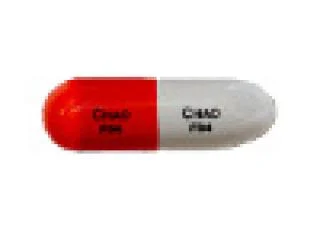
The primary available delivery method for this medication is the Capsule, hard (Seromycin). Medical guidelines emphasize the importance of consistent use as part of a structured regimen overseen by a clinician. Because this is a specialized agent, proper selection based on clinical findings is essential to ensure efficacy and minimize potential reactions.
Safety overview for Cycloserine
What to check before using this medicine
Before initiating therapy, confirm that your liver and kidney function are adequate, as these organs are responsible for processing and eliminating the active compound. A history of neurological or psychiatric conditions, including depression or epilepsy, should be discussed with a clinician, as this medication may influence these systems.
Possible reactions and tolerability
Common reactions are often related to the central nervous system. Patients may experience dizziness, drowsiness, headache, or in some instances, changes in mood or behaviour. Should any severe reactions occur, clinical evaluation is required.
Interactions and health factors
Alcohol consumption should be avoided during the course of treatment, as it may increase the risk of neurological issues or side effects. Other medications affecting the central nervous system or specific vitamins may also interact with this antibiotic. Product labelling and verified clinical sources remain the correct references for specific contraindications, interactions and reactions.