
Respiratory Tract Infection
A respiratory tract infection (RTI) covers any infection affecting the airways, from the nose and throat down to the bronchi and lungs. Upper RTIs, colds, sinusitis, pharyngitis, are usually viral and self-limiting. Lower RTIs, bronchitis, pneumonia, carry a greater risk of bacterial involvement and tend to need more attention.

Vibramycin
100mg
Doxycycline 100mg capsules and tablets, used for acne vulgaris, chlamydia, Lyme disease and respiratory tract infection. A broad-spectrum tetracycline.

Terramycin
250mg
Oxytetracycline 250mg film-coated tablets, used for acne vulgaris and respiratory tract infection. A broad-spectrum tetracycline taken by mouth.


Key points
- Most cases are viral and clear up without antibiotics, but symptoms that are severe, one-sided or last beyond 10 days point to a bacterial cause.
- Doxycycline and roxithromycin are typical choices for atypical organisms such as Mycoplasma, a frequent cause of chest infections acquired outside hospital.
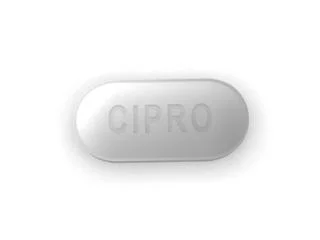
- For more resistant infections, cefpodoxime offers wider antibiotic cover, while ciprofloxacin may be chosen if Gram-negative bacteria are suspected.
Bacterial vs viral: why it matters for treatment
Most RTIs are viral and resolve without antibiotics. A bacterial cause is more likely when symptoms are severe, localised (one-sided sinus pain, productive cough with discoloured sputum), or fail to improve after 10 days. When bacteria are confirmed or strongly suspected, broad-spectrum antibiotics are the standard approach.
Commonly used agents include doxycycline and roxithromycin for atypical respiratory pathogens such as Mycoplasma and Chlamydophila, both of which are frequent causes of community-acquired chest infections. For more resistant or complicated infections, cefpodoxime, a third-generation cephalosporin, provides broader coverage, while ciprofloxacin is sometimes used where Gram-negative organisms are suspected.
When to seek prompt medical help
Seek care without delay if you develop difficulty breathing, a high fever that does not settle, chest pain, coughing up blood, or confusion. These can signal a more serious lower respiratory illness that needs clinical assessment rather than self-management.