
Ciprofloxacin
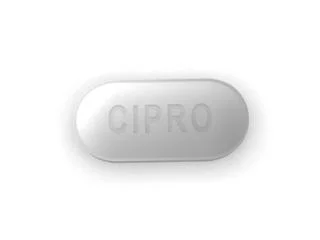
Ciprofloxacin (including brands like Ciproxin and Ciplox) is a potent antibiotic medication. It belongs to the fluoroquinolone class and is used for a variety of bacterial infections. Three preparations are listed, including tablets and drops.


Key points
- It blocks two bacterial enzymes, DNA gyrase and topoisomerase IV, that bacteria need to copy their DNA.
- Beyond urinary and respiratory infections, formulations are also made for eye and ear conditions.
- Fluoroquinolones may carry a tendon risk, so prior joint or tendon problems should be mentioned beforehand.
- Dairy products, along with iron, calcium or magnesium supplements, can lower how much of it the body absorbs.
What is Ciprofloxacin?
Ciprofloxacin functions as a broad-spectrum antibiotic. It works by interfering with the bacteria’s ability to reproduce, which allows the immune system to clear the infection. Because it is highly versatile, it is standard in the treatment of diverse Bacterial Infection cases. It remains a fundamental tool within modern Antibiotics.
What Ciprofloxacin is used for
Medical professionals often recommend this medication for systemic and localised conditions. Uses commonly include the treatment of Urinary Tract Infection (UTI) and respiratory issues. Its formulation flexibility also extends to topical applications. It is frequently employed for internal or ocular issues, where it serves as a common component of Eye Care.
How does Ciprofloxacin work?
Ciprofloxacin acts by inhibiting two essential bacterial enzymes known as DNA gyrase and topoisomerase IV. These enzymes are necessary for bacteria to separate and replicate their DNA. By blocking these processes, the medication effectively prevents bacterial multiplication. The body is then able to manage the infection more effectively.
Ciprofloxacin brands and forms
The market includes both originator brands, such as Cipro, and various generic versions like Ciplox and Cilodex. Manufacturers produce this active ingredient in several formats to target specific sites of infection effectively. Available options typically include Eye drops, solution; Film-coated tablet; and Ear drops, solution. These specific solutions demonstrate how a single active ingredient is adapted for different therapeutic requirements.
Safety overview for Ciprofloxacin
What to check before using this medicine
Inform your doctor if you have a history of tendon issues or joint conditions, as fluoroquinolones may carry specific risks for musculoskeletal health. Ensure your provider is aware of pre-existing neurological conditions or heart rhythm irregularities before starting this medication.
Possible reactions and tolerability
Common reactions often include nausea, diarrhoea, or local irritation when using drops. More distinct but less frequent reactions may involve photosensitivity or digestive discomfort. Monitor your condition closely and report any persistent or severe adverse changes to a professional.
Interactions and health factors
Ciprofloxacin may interact with common supplements like iron, calcium, or magnesium, which can reduce its absorption. Dairy products may also affect the level of medication in your system. Product labelling and verified clinical sources remain the correct references for specific contraindications, interactions and reactions.