
Ofloxacin
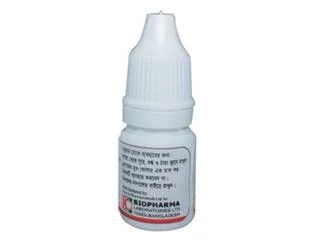
Synthetic fluoroquinolone antibiotics, such as Ofloxacin (often recognised by brands like Tarivid and Exocin), serve to address conditions caused by susceptible bacteria. Two formulations appear below, tablets and eye drops.

Key points
- Comes as both oral tablets for systemic infections and eye drops for bacterial conjunctivitis.
- It works by blocking DNA gyrase, an enzyme bacteria need to replicate, and has no effect on viruses.
- Tendon damage and heart rhythm disturbances are rare but serious risks that require urgent clinical review.
What is Ofloxacin?
Belonging to the fluoroquinolone class, Ofloxacin serves as a broad-spectrum antibiotic. Manufacturers produce it as both systemic tablets and topical ophthalmic solutions to serve distinct treatment targets. Providing a range of forms ensures that medication can be applied directly to the site of an infection, such as the eye, or distributed systemically through the bloodstream for broader issues.
What Ofloxacin is used for
Medical providers use Antibiotics like Ofloxacin to eliminate bacterial growth in specific areas. Common applications include addressing a serious Bacterial Infection or local eye conditions such as Bacterial Conjunctivitis. Selection of the correct preparation depends entirely on the location and severity of the underlying condition.
How does Ofloxacin work?
Functioning by halting DNA gyrase, this medication prevents bacteria from replicating or repairing their genetic material. Such interference stops the spread of infection, allowing the immune system to recover. Because of this specific mechanism, the compound only responds to bacterial pathogens and does not act against viruses like the cold or flu.
Ofloxacin brands and forms
Options range from systemic oral tablets to targeted eye drops. Each preparation requires specific administration methods, making the choice of form dependent on the nature of the condition being addressed. While generic versions provide access to the active compound, originator brands such as Tarivid and Exocin may also be available.
Safety overview for Ofloxacin
What to check before using this medicine
Review medical history for any past hypersensitivity to fluoroquinolones. Inform a provider about existing health conditions, particularly those involving the tendons, central nervous system, or kidneys. Pregnant or breastfeeding individuals require dedicated assessment before use.
Possible reactions and tolerability
Common responses may include digestive discomfort, nausea, or dizziness. Ocular formulations might cause temporary stinging or blurred vision upon application. Serious but rare reactions involve tendon inflammation or changes in heart rhythm, requiring immediate clinical observation if experienced.
Interactions and health factors
Concurrent use with minerals like magnesium, aluminum, or iron can reduce the absorption of oral Ofloxacin. Other medications that influence heart rhythm or act as stimulants may also interact negatively. Always provide a full list of current supplements and medications to a healthcare provider.
Product labelling and verified clinical sources remain the correct references for specific contraindications, interactions and reactions.