
Conjunctivitis
Conjunctivitis is inflammation of the thin membrane lining the inner eyelid and covering the white of the eye. It produces redness, watering, discharge, and a gritty or itchy feeling. Most cases clear within one to two weeks, but identifying the cause shapes the right approach.

Key points
- Bacterial infection typically brings a thick, yellowish or greenish discharge heavy enough to seal the eyelids overnight.
- Viral cases produce watery discharge and often follow a cold, spreading readily between people in close contact.
- Allergic conjunctivitis causes intense itching and watery eyes, commonly set off by dust mites, pollen, or pet dander.
What sets off conjunctivitis
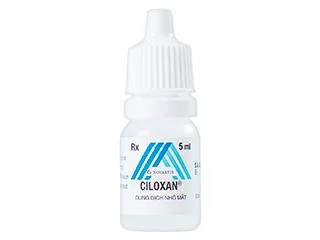
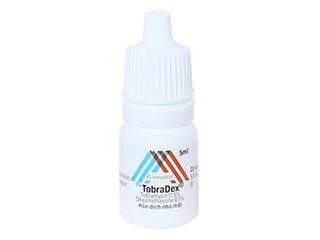
Bacterial conjunctivitis is the most common infectious form and produces thick yellow or green discharge, often causing the eyelids to stick together overnight. Viral conjunctivitis typically follows a cold or upper respiratory infection and causes watery rather than sticky discharge; it spreads easily and is common in schools and workplaces. Allergic conjunctivitis brings intense itching with watery eyes and is triggered by dust mites, pollen, or pet dander, which can be year-round problems in tropical climates. Eye drops in the eye care range address each of these presentations differently, so knowing the cause matters.
Easing symptoms and knowing when to get help
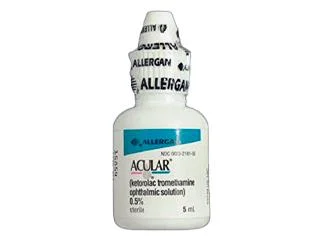
Cool compresses and rinsing the eye with clean water can relieve discomfort while the infection runs its course. Avoid touching or rubbing the eyes, and replace contact lenses and any eye make-up used around the time symptoms began. Bacterial cases are sometimes treated with antibiotic drops; inflammatory or allergy-driven pain can be managed with anti-inflammatory options such as those containing ketorolac.
Seek prompt attention if vision changes, pain is severe, symptoms do not improve after a week, or a newborn develops any eye discharge, these signs need clinical assessment rather than self-care.