Key points
- An aminoglycoside antibiotic formulated as eye drops or suspension to stop the growth of susceptible bacteria in the eye.
- Treats bacterial conjunctivitis and blepharitis, and appears combined with dexamethasone to address inflammation alongside infection.
- Minor stinging or redness can follow application, and use should stop if visual disturbance or lasting discomfort develops.
What is Tobramycin?
Tobramycin is an antibiotic that stops the growth of susceptible bacteria. It is frequently formulated as eye drops or suspension to treat different issues within the Eye Care space. Because it is highly target-specific to the eye, it limits the need for systemic, whole-body administration.
What Tobramycin is used for
This active ingredient targets bacterial threats to the eyes. It is commonly used for Bacterial Conjunctivitis and Blepharitis. When combined with agents like dexamethasone, it also addresses Ocular Inflammation alongside the active infection.
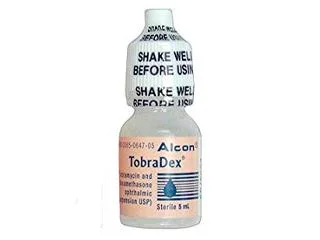
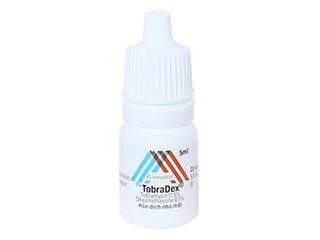
Tobramycin appears in both originator brands like Tobradex and generic preparations. These formulations come as eye drops or suspensions, allowing for direct application to the affected surface. Choosing between a pure Tobramycin product and a combination formulation depends on whether inflammation reduction is needed alongside antibacterial action.
Safety overview for Tobramycin
What to check before using this medicine
Ensure you are not allergic to aminoglycoside antibiotics. Review your eye health history and current symptoms before application.
Possible reactions and tolerability
Common reactions include minor stinging or redness immediately after application. If visual disturbances or prolonged discomfort occur, discontinue use.
Interactions and health factors
Use of multiple eye products simultaneously may reduce individual effectiveness. Individuals with existing ocular pressure issues or specific health conditions require careful attention when using ocular treatments.
Product labelling and verified clinical sources remain the correct references for specific contraindications, interactions and reactions.
Further reading