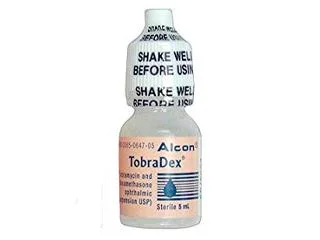
Tobramycin and Dexamethasone Eye Drops
0.1/0.3%
Tobramycin with dexamethasone 0.1/0.3% eye drops for bacterial ocular infection and ocular inflammation, an antibiotic and a steroid in one bottle.
From$7.82/ tubeView
Ocular inflammation refers to swelling, redness, or irritation affecting any part of the eye, from the outer surface to the internal chambers. It can arise after an eye injury, following surgery, or as a response to infection. In tropical and subtropical climates, dust, humidity, and airborne allergens frequently trigger or worsen inflammatory episodes.
0.1/0.3%
Tobramycin with dexamethasone 0.1/0.3% eye drops for bacterial ocular infection and ocular inflammation, an antibiotic and a steroid in one bottle.
The most common presentations include a gritty or burning sensation, light sensitivity, blurred vision, and a visibly red or watery eye. Inflammation confined to the front of the eye (anterior uveitis or iritis) tends to cause deep aching pain and pupil changes. Post-surgical inflammation is expected and typically managed as part of recovery. Bacterial infection often accompanies or mimics inflammation, which is why combination treatments targeting both pathways are widely used.
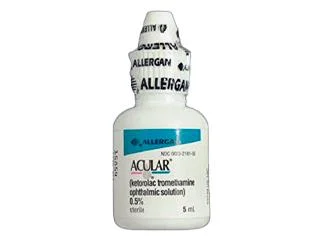
Corticosteroid eye drops are the mainstay for reducing swelling and immune-driven irritation; dexamethasone is one of the most established options in this class. When bacterial involvement is suspected or confirmed, an antibiotic such as tobramycin may be added. For inflammation with a pain or prostaglandin component, ketorolac offers a non-steroidal alternative. Browse the full eye care range for available formulations.
Seek prompt attention if vision deteriorates suddenly, if pain is severe, or if the eye becomes cloudy, these signs warrant same-day review.