
Ketorolac
Ketorolac is a non-steroidal anti-inflammatory medication commonly associated with brand names like Acrovail and Acular. Used primarily for acute pain and inflammatory eye conditions, this medicine is available in two distinct forms. By targeting chemical signals in the body, it serves as a common option for short-term relief.

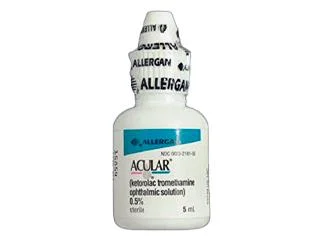
Key points
- As a non-steroidal anti-inflammatory drug, it comes in both an eye drop and a tablet form to suit ocular or systemic symptoms.
- Its mechanism blocks the enzymes that generate prostaglandins, the compounds responsible for triggering pain and swelling.
- Treatment courses are kept brief, with strict limits on how long the eye drop or tablet should be used.
What is Ketorolac?
Ketorolac belongs to a group of medications known as non-steroidal anti-inflammatory drugs. Medical professionals select this compound for its effectiveness in blocking substances that trigger pain and inflammation throughout the body.
Available in both eye drop and oral versions, it allows for targeted use depending on whether the issue is ocular or systemic.
What Ketorolac is used for
The primary applications for this medication target conditions involving inflammation and discomfort. Patients often turn to it for the Short-term Management of Acute Pain that requires more than standard relief.
Beyond general aches, healthcare providers may utilise it for Ocular Inflammation or Conjunctivitis when related to allergic or inflammatory responses. Usage addresses Moderate Acute Pain effectively during the initial recovery period.
How does Ketorolac work?
Ketorolac functions by inhibiting cyclooxygenase enzymes, which are responsible for producing prostaglandins. Prostaglandins serve as the body’s natural signaling agents for pain and inflammation in nerve endings.
Reducing the concentration of these signals dulls the sensation of discomfort quickly.
Ketorolac brands and forms
Selecting the right version of this medication depends heavily on the condition being treated. For Eye Care, solutions are the industry standard, while oral options address systemic concerns. Brand-name versions like Acular are widely recognised, alongside generics which offer identical active compounds.
Available formulations typically include:
- Eye drops, solution
- Tablet
Safety overview for Ketorolac
What to check before using this medicine
Review medical history to ensure there are no specific sensitivities to non-steroidal anti-inflammatory drugs. Inform a doctor of any gastrointestinal history or blood clotting factors before starting. Usage duration must strictly follow the indicated timeframes for ocular and oral applications.
Possible reactions and tolerability
Occasional irritation or burning may occur with ocular applications. Systemic use might lead to digestive discomfort or dizziness in some individuals. Monitoring for personal tolerance remains the standard approach during the treatment period.
Interactions and health factors
Combining with other medications requires careful coordination. Interactions with blood thinners or other anti-inflammatory drugs are documented risks. Product labelling and verified clinical sources remain the correct references for specific contraindications, interactions and reactions.