
Acute Pain
Acute pain is sudden-onset pain with a recognisable cause, a sprained ankle, a post-surgical wound, a toothache, or a bad headache. Unlike chronic pain, it is time-limited: it fades as the body heals, usually within days to a few weeks.

Key points
- Unlike long-term chronic pain, this kind has an identifiable trigger, such as a sprained ankle or a toothache, and eases as healing occurs.
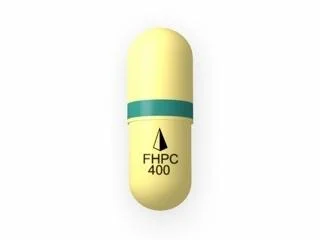
- Mefenamic acid, a non-steroidal medicine, is commonly used for mild to moderate pain, including menstrual and dental pain.
- Rest, ice or heat suited to the injury, plus elevating the affected area, support recovery alongside any medicine taken.
Managing the discomfort
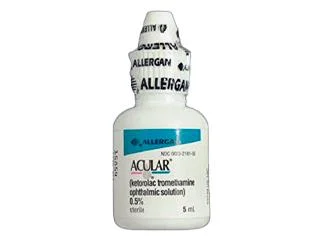
Most acute pain responds well to anti-inflammatory analgesics that block the prostaglandins driving pain and swelling. Mefenamic acid is a non-steroidal anti-inflammatory commonly used for mild to moderate acute pain, including menstrual pain and dental pain. Broader options for this class sit within pain management.
Rest, ice or heat depending on the injury type, and keeping the affected area elevated where practical all support recovery alongside any medicine.
Seek prompt medical attention if pain is severe and unexplained, follows a head injury, accompanies chest tightness, or does not improve within the expected window for the underlying cause.