
Blepharitis
Blepharitis is inflammation of the eyelid margins. It tends to be persistent rather than a one-off episode, and both eyelids are usually affected. The condition is common across eye care practice and causes daily discomfort rather than serious vision loss for most people.
Key points
- Blocked oil glands and bacterial colonisation at the lid margin produce greasy scales, crusting and a gritty, burning sensation.
- Anterior blepharitis centres on the lash roots and is often bacterial, while posterior blepharitis stems from deeper oil-gland dysfunction, and many people have both.
- Keeping the lid margins clean daily, starting with a warm compress to loosen debris, is the mainstay of long-term control.
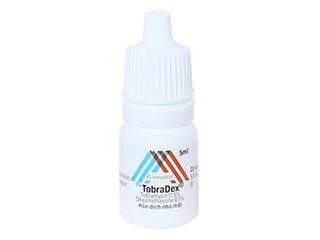
- Topical tobramycin or dexamethasone may be added if the lids show marked inflammation or a secondary infection.
What happens at the lid margin
The edge of each eyelid holds oil glands and the roots of the lashes. In blepharitis these glands become blocked or colonised by bacteria, producing greasy scales, crusting, and a gritty or burning sensation. Waking up with lids stuck together or reddened rims is a typical morning sign. In more inflamed episodes the lids may swell and small sores can form along the lash line.
Two patterns are common: anterior blepharitis (at the lash bases, often bacterial) and posterior blepharitis (deeper oil-gland dysfunction). Many people have both at once.
Managing a chronic condition
Lid hygiene is the cornerstone of control. A warm compress held against closed lids for a few minutes softens blocked secretions, followed by gentle cleaning of the lid margins with a dilute baby shampoo solution or purpose-made lid wipes. Doing this daily, morning or evening, reduces build-up over weeks.
When inflammation or secondary infection is significant, topical agents such as tobramycin (an antibiotic) or dexamethasone (a corticosteroid) may be used to settle the lids. Persistent or worsening symptoms, marked redness, or any change in vision are reasons to get an eye examination promptly.