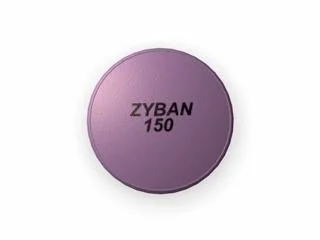
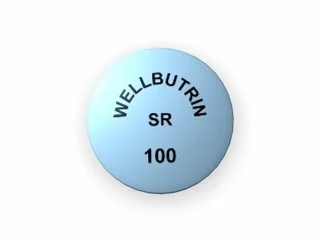
Wellbutrin SR
Tobacco Dependence, Major Depressive Disorder
150mg
Wellbutrin SR is bupropion 150mg in a modified-release tablet for tobacco dependence and major depression, a weak reuptake inhibitor of two amines.
From$1.12/ tabletView
Bupropion is an aminoketone medication originally developed for depression and later established as a stop-smoking aid. Wellbutrin targets depressive symptoms while Zyban supports smoking cessation, and both reference products now appear alongside generic versions and combined-weight-loss copies such as Bupron SR and Contrave. Five formulations are listed.
Tobacco Dependence, Major Depressive Disorder
150mg
Wellbutrin SR is bupropion 150mg in a modified-release tablet for tobacco dependence and major depression, a weak reuptake inhibitor of two amines.

Major Depressive Disorder, Tobacco Dependence
150 · 300mg
Bupropion 150mg and 300mg modified-release tablets, used in the management of major depression and tobacco dependence. An aminoketone antidepressant.
Bupropion is an aminoketone medication that differs from more widely known antidepressants. Instead of focusing mainly on serotonin, it increases dopamine and noradrenaline levels in the brain. That different mechanism matters because it produces a distinct effect profile and avoids some of the effects typically linked to other antidepressants.
Two separate uses have grown up around it: treating major depressive episodes and supporting Smoking Cessation. The same active molecule sits in both sets of products, so choosing often comes down to the tailored brand and release pattern.
In mental health, bupropion is among the options used for Depression, sometimes on its own and sometimes alongside other agents. Its activating profile can suit people who feel slowed down or tired on other antidepressants, though the choice always rests on your personal history and how you tolerate the substance.
Through the quit-smoking arm, bupropion targets Tobacco Dependence by easing the craving and withdrawal that make stopping difficult. Treatment typically begins before the set quit date and covers the early weeks of stopping. Combined versions such as Contrave have also found a role under specialist input for Obesity, linking the same neurological pathways to appetite regulation.
Bupropion acts by blocking the reuptake of dopamine and noradrenaline, the chemicals that support motivation, mood, chemical reward and alertness. With more of these two messengers available between nerve cells, the dampened drive associated with depression can lift, and the pull on old smoking habits weakens.
That same stimulating effect carries practical consequences in day-to-day life: some individuals notice heightened restlessness or difficulty sleeping, particularly when dosing is taken too late. The enlarged gap between doses in sustained-release variants helps blunt the ups and downs through the day.
The bupropion market revolves around two key lineage products. Wellbutrin set the bar for depressive disorder management, while Zyban positioned the molecule at the centre of quit-smoking care. Generic copies and regional variants come mainly as prolonged-release tablets, labelled SR or XL, taken once or twice daily.
The release design decides how the drug is spread over the day. Bupron SR and Zyban lean toward the smoking-cessation protocol, Wellbutrin and Wellbutrin SR toward depression management. Contrave is reserved for weight-care pathways and brings along naltrexone. Anyone following an Addiction Recovery plan or evaluating antidepressants for the first time benefits from understanding which product tracks which purpose before a consultation. Choice usually settles on the treatment goal and how your body tolerates the active molecule.
Before starting bupropion, disclose any history of seizures, eating disorders, heavy alcohol use or abrupt alcohol cessation. Certain brain medicines and abrupt changes in your routine when beginning this medicine may need closer review.
The most commonly discussed reactions include trouble sleeping, dry mouth, headache and agitation. These sound-related and sleep-related effects tend to be more noticeable early in treatment and settle over time.
Bupropion brings a known seizure threshold concern when doses climb too quickly or when combined with other drugs that lower that same threshold. Some liver medications and CYP2B6 pathway medicines can raise levels or alter response.
Product labelling and verified clinical sources remain the correct references for specific contraindications, interactions and reactions.

23 Sept 2026 ⋅ 8 min read
The prescription that renewed itself for years does not renew when you move, and people usually discover this at the worst possible moment. Why running out abruptly is the real hazard, how withdrawal gets mistaken for relapse, and what to carry so a new doctor can pick up where the last one left off.
Read guide
26 Jul 2026 ⋅ 9 min read
There is an expat drinking curve nobody names: cheap, social, unobserved, and entirely normal within its own group. What the five medicines honestly do about it, what they do not, and the one thing that is genuinely unsafe to attempt alone.
Read guide