
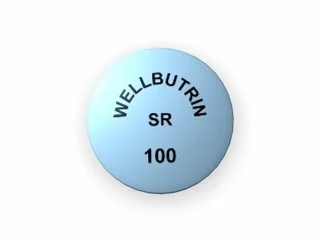
Wellbutrin SR
150mg
Wellbutrin SR is bupropion 150mg in a modified-release tablet for tobacco dependence and major depression, a weak reuptake inhibitor of two amines.
From$1.12/ tabletView
Tobacco dependence is more than a habit. Nicotine binds rapidly to receptors in the brain, triggering dopamine release and creating a cycle of craving, use, and withdrawal that makes quitting far harder than willpower alone can handle. Smoking rates remain high in many places, and most people who try to quit without support relapse within days.
150mg
Wellbutrin SR is bupropion 150mg in a modified-release tablet for tobacco dependence and major depression, a weak reuptake inhibitor of two amines.

150 · 300mg
Bupropion 150mg and 300mg modified-release tablets, used in the management of major depression and tobacco dependence. An aminoketone antidepressant.
The most effective quit attempts combine behavioural support with medicine. One established pharmacological option is bupropion, an antidepressant that also dampens nicotine cravings by acting on dopamine and noradrenaline pathways. It is typically started one to two weeks before the planned quit date to reach steady levels before cravings peak. You can browse the full range under addiction recovery.
Withdrawal symptoms, including irritability, poor concentration, and strong urges to smoke, are most intense in the first one to two weeks and gradually ease over a month. Keeping a consistent routine, identifying personal triggers, and having a support plan in place alongside medicine significantly improves long-term success rates compared to medicines alone.

26 Jul 2026 ⋅ 9 min read
There is an expat drinking curve nobody names: cheap, social, unobserved, and entirely normal within its own group. What the five medicines honestly do about it, what they do not, and the one thing that is genuinely unsafe to attempt alone.
Read guide