
Smoking Cessation
Quitting smoking is one of the most effective steps a person can take for their long-term health. Tobacco dependence is driven by nicotine, which alters brain chemistry over time, making stopping genuinely difficult without support. Withdrawal symptoms, irritability, cravings, poor concentration, disrupted sleep, typically peak in the first two weeks and ease considerably after a month.

Key points
- Nicotine dependence rewires brain reward chemistry, so withdrawal, irritability, cravings and poor sleep typically peak in the first fortnight before easing.
- Dopamine release from each cigarette conditions the brain to expect it, which is why cravings make early quitting attempts so difficult.
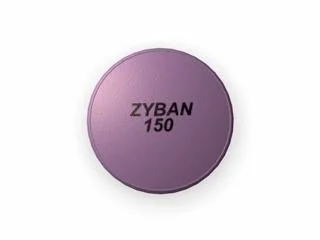
- Varenicline blunts cravings by partly activating nicotine receptors, while bupropion, originally an antidepressant, eases withdrawal through a different route.
Why quitting is harder than willpower alone
Nicotine binds to receptors in the brain’s reward pathway, releasing dopamine with each cigarette. Over time, the brain expects this stimulus and under-produces dopamine without it. That is what makes the early weeks of quitting so uncomfortable, and why cold turkey has a low success rate.
Medicines that act on these same receptors change the equation significantly. Varenicline partially activates nicotine receptors to blunt cravings while blocking the rewarding effect of any cigarette smoked during a quit attempt. Bupropion, originally developed as an antidepressant (see antidepressants), also reduces cravings and eases withdrawal-related low mood through a different mechanism. Both approaches sit within the broader addiction recovery medicine toolkit.
Staying with a plan once you start
Quit attempts succeed far more often when a course of treatment is completed rather than stopped early, which makes continuity more important than the choice of product. If a move or a supply gap interrupts a course partway through, resuming the same medicine is usually better than starting a different one from scratch.
Further reading
Related articles

26 Jul 2026 ⋅ 9 min read
What Medicine Can Actually Do About Drinking and Smoking
There is an expat drinking curve nobody names: cheap, social, unobserved, and entirely normal within its own group. What the five medicines honestly do about it, what they do not, and the one thing that is genuinely unsafe to attempt alone.
Read guide