
Amitriptyline
Amitriptyline is a tricyclic antidepressant prescribed for several distinct purposes. The best-known branded version is Tryptizol, though generic formulations such as Elavil and Endep are also available. Listed products come as standard tablets and film-coated tablets, typically in several strengths so that dosing can be tailored to the condition being treated.

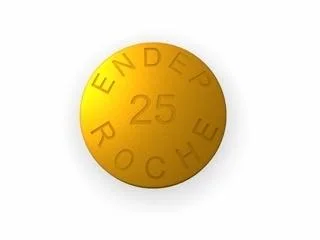
Key points
- Slows the reabsorption of serotonin and noradrenaline at nerve junctions, leaving more of these chemical messengers active between nerve cells.
- For migraine prevention it is taken regularly to reduce how often attacks occur, rather than to treat one already underway.
- Also used for neuropathic pain, the burning or shooting nerve sensations seen in conditions such as diabetes or shingles.
What is amitriptyline?
Amitriptyline belongs to an older class of antidepressants known as tricyclics, named for the three-ring chemical structure that distinguishes this group. Developed in the 1960s, it remains in active use because it has well-established effects on several conditions that involve nerve signalling and pain perception. You may encounter it sold under different brand names and packaging, depending on the manufacturer and market. Most listed products are conventional oral tablets, sometimes with a thin film coating that makes them easier to swallow or reduces surface taste. The active compound is identical across originator and generic versions, though inactive fillers and coatings can differ between products.
What amitriptyline is used for
In everyday practice, amitriptyline is prescribed for three main reasons. It is used to manage Depression, particularly when sleep disturbance and low energy dominate the picture. It is also widely used for Neuropathic Pain, the burning, shooting or electric-shock sensations that arise from nerve damage in conditions such as diabetes or shingles. A third established role is Migraine Prophylaxis, where it is taken regularly to reduce migraine frequency rather than to treat an acute attack. The dose range, duration and monitoring can differ across these uses, which is why a doctor typically selects a starting strength based on the condition being addressed and your previous response to similar medicines.
How does amitriptyline work?
Under normal conditions, your nerve cells reabsorb serotonin and noradrenaline after they have carried a signal, much like clearing a message from a notice board once it has been read. Amitriptyline slows that reabsorption, leaving more of these chemical messengers active in the junctions between nerves. This gradual change in signalling appears to lift mood in depression, dampen pain signals in neuropathic pain and stabilise the brain pathways involved in migraine over time. Because the body adapts slowly, the full benefit may not become clear for several weeks after starting treatment. Amitriptyline also blocks several other receptor types, which is why it produces both therapeutic effects and unwanted reactions such as drowsiness or dry mouth in some people.
Amitriptyline brands and forms
Film-coated versions have a thin outer layer designed mainly to mask taste and swallowing comfort, but the active dose remains comparable. Within Antidepressants, you can compare strengths and pack sizes side by side. Tryptizol refers to the long-established branded version, while Elavil and Endep represent other recognised labels for the same active compound. Choosing between a branded and a generic version is usually a matter of prescriber preference, and different pack sizes may suit maintenance versus initial-dose titration.
Safety overview for amitriptyline
What to check before using this medicine
Before amitriptyline is started, your doctor will typically review heart rhythm, liver function, glaucoma history and thyroid status. It may not be suitable if you have recently had a heart problem, have certain rhythm disturbances, or are taking specific antidepressants known as MAOIs.
Possible reactions and tolerability
Common complaints linked to tricyclics include dry mouth, blurred vision near to far focus, constipation, drowsiness and dizziness when standing up quickly. These effects can be more noticeable early in treatment or at higher doses, and they vary between individuals.
Interactions and health factors
Amitriptyline can interact with other sedating medicines, alcohol, some blood pressure drugs and other antidepressants. Any additional prescriptions, over-the-counter products or supplements should be checked for overlap before combining them.
Product labelling and verified clinical sources remain the correct references for specific contraindications, interactions and reactions.
Further reading
Related articles

23 Sept 2026 ⋅ 8 min read
Antidepressants When You Live Abroad: The Part Nobody Plans For
The prescription that renewed itself for years does not renew when you move, and people usually discover this at the worst possible moment. Why running out abruptly is the real hazard, how withdrawal gets mistaken for relapse, and what to carry so a new doctor can pick up where the last one left off.
Read guide