
Migraine Prophylaxis
Migraine prophylaxis means taking medicine every day not to stop an attack in progress, but to make attacks less frequent, shorter, and milder. It is usually considered when migraines occur more than three or four times a month, last a long time, or respond poorly to acute treatment. Where heat, irregular sleep, and long working hours are well-recognised triggers, preventive treatment can make a substantial difference to daily functioning.

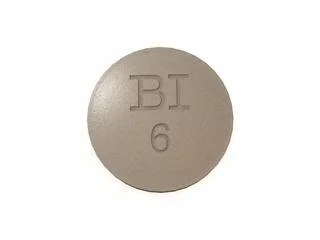

Inderal LA
40mg
Inderal LA is propranolol 40mg in a modified-release capsule for hypertension, angina, migraine prophylaxis and essential tremor. Both beta-1 and beta-2.




Key points
- Unlike acute treatment, this approach uses medicine every day to gradually reduce how often attacks strike and how severe they become.
- Different preventive drugs work through different pathways, from beta-blockers such as propranolol to anticonvulsants including topiramate and valproic acid.
- Full benefit can take several weeks to emerge, so the chosen medicine is typically reassessed after about three months of use.
- A response is usually judged a success if monthly attack frequency falls by half or more, rather than attacks stopping completely.
How preventive medicines work
Preventive agents act on different biological pathways, so the choice depends on a person’s broader health picture. Beta-blockers such as propranolol reduce the excitability of pain pathways and are among the best-studied options. Anticonvulsants including valproic acid and topiramate stabilise neuronal membranes and have good evidence for cutting attack days per month. The tricyclic amitriptyline is often favoured when migraine coexists with poor sleep or low mood. Flunarizine, a calcium-channel blocker with a long clinical track record, is a widely used preventive option. Clonidine is a further option in some regional formularies. All preventive medicines need several weeks to show their full effect, and the choice is typically reviewed at three months.
Who benefits and what to expect
Candidates are people whose migraines significantly disrupt work or study, those using acute relief medicines on more than ten days a month (which carries its own risks), and anyone with certain migraine subtypes such as hemiplegic migraine. Success is usually defined as a 50 per cent or greater reduction in monthly attack frequency rather than complete freedom from headache. A neurology referral is worth considering if attacks remain difficult to control, or if there are cardiovascular factors that influence medicine choice, since several agents also have a role in heart and blood pressure conditions.
Further reading
Related articles

23 Sept 2026 ⋅ 9 min read
Epilepsy Medicines and Moving Across Time Zones
A flight that shortens your day by seven hours is a real problem for a medicine whose whole job is a steady blood level, and the sleep you lose getting there is a seizure trigger in its own right. What to settle before you fly, and why the plan is not one a website should give you.
Read guide