
Valproic Acid
Valproic Acid (often recognised by brands such as Epilim or Depakote) is a pharmaceutical compound used to regulate neural activity. It is indicated for complex neurological conditions including seizure management and mood balancing. Depakene and Valparin are available among three preparations, offering specific dosage forms for effective ongoing care.

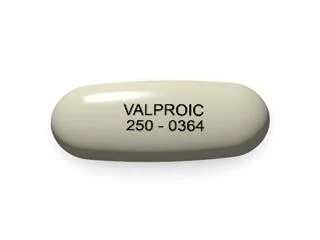

Key points
- It treats epilepsy, bipolar disorder and migraine prevention by raising GABA levels to calm overactive nerve signals in the brain.
- Originator brands include Epilim and Depakote, while Depakene and Valparin are generic alternatives.
- It is supplied as a soft capsule, gastro-resistant tablet or standard tablet, with liver health checked before starting treatment.
What is Valproic Acid?
Valproic Acid is a well-established medication used to address various conditions related to Neurology. It is designed to temper overactive nerve signals, which makes it particularly useful for managing chronic conditions that require long-term stability.
What Valproic Acid is used for
This medication is widely utilised to manage Epilepsy. It also supports the treatment of Bipolar Disorder and serves as a tool for Migraine Prophylaxis. These applications mean it acts as a foundational therapy for many patients managing neurological symptoms.
How does Valproic Acid work?
The compound acts by increasing the concentration of gamma-aminobutyric acid, or GABA, in the brain. GABA is a neurotransmitter that inhibits nerve impulses. By balancing these electrical signals, the compound reduces the likelihood of over-excitation in neural pathways, effectively addressing symptoms associated with seizure disorders and mood instability.
Valproic Acid brands and forms
Patients may choose between original brands, such as Epilim and Depakote, and generic versions like Depakene and Valparin. Variations in manufacturing provide different administration options depending on preference or recommendation. The available forms include Capsule, soft, Gastro-resistant tablet, and Tablet. These choices allow for better adherence to treatment plans.
Safety overview for Valproic Acid
What to check before using this medicine
Confirm your health history with a medical professional, particularly if you have underlying liver conditions. Ensure the dosage form aligns with your treatment requirements.
Possible reactions and tolerability
Common responses can include mild indigestion or drowsiness. More significant effects may require immediate medical attention to adjust your care approach.
Interactions and health factors
Other substances may interact with this compound, potentially changing how it influences your neurological activity. Product labelling and verified clinical sources remain the correct references for specific contraindications, interactions and reactions.
Further reading
Related articles

23 Sept 2026 ⋅ 9 min read
Epilepsy Medicines and Moving Across Time Zones
A flight that shortens your day by seven hours is a real problem for a medicine whose whole job is a steady blood level, and the sleep you lose getting there is a seizure trigger in its own right. What to settle before you fly, and why the plan is not one a website should give you.
Read guide