
Epilepsy
Epilepsy is a chronic neurological condition in which the brain periodically produces bursts of abnormal electrical activity, triggering seizures. It affects roughly 50 million people worldwide.
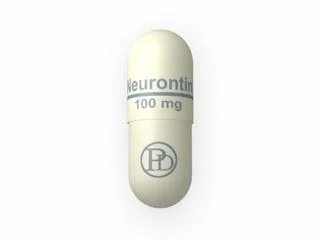









Divalproex Tablets
125 · 250 · 500mg
Divalproex 125mg, 250mg and 500mg prolonged-release tablets, used in the management of epilepsy and bipolar disorder. Sodium valproate with valproic acid.
Key points
- Abnormal electrical activity firing in the brain triggers seizures that vary widely in how they present.
- Seizure types range from convulsive episodes with loss of consciousness to brief blank spells typical in childhood or disturbances confined to one brain region.
- Valproic acid has long been among the oldest, broadly effective anticonvulsants, while lamotrigine and oxcarbazepine are often chosen for focal epilepsy.
- Sleep deprivation, alcohol and flickering light are among the recognised triggers, and taking medicine at consistent times matters as much as the specific drug chosen.
What seizures look like
Seizures vary widely. Generalised tonic-clonic seizures involve loss of consciousness and convulsions; absence seizures are brief blank episodes, most common in children; focal seizures start in one brain region and may or may not spread. Many people have a warning sign called an aura, such as an unusual smell, visual disturbance, or rising feeling in the abdomen, in the seconds before a seizure begins.
Medicines used in epilepsy
Most people with epilepsy achieve good seizure control with a single anticonvulsant. Valproic acid is one of the oldest and most broadly effective agents, used across many seizure types. Lamotrigine and oxcarbazepine are frequently chosen for focal epilepsy and are generally well tolerated. Topiramate works for both focal and generalised seizures. Gabapentin and primidone address specific seizure patterns. Ongoing treatment decisions belong with a neurology specialist, who will weigh seizure type, age, and individual response.
Living with epilepsy day to day
Consistent medicine timing matters as much as dose. Common triggers include sleep deprivation, alcohol, fever, and intense flickering light. Many people with controlled epilepsy drive, work, and travel normally, though local regulations on driving with epilepsy vary by country, so checking national rules is worthwhile.
If a generalised seizure lasts more than five minutes or a person does not regain consciousness between seizures, call emergency services immediately.
Further reading
Related articles

23 Sept 2026 ⋅ 9 min read
Epilepsy Medicines and Moving Across Time Zones
A flight that shortens your day by seven hours is a real problem for a medicine whose whole job is a steady blood level, and the sleep you lose getting there is a seizure trigger in its own right. What to settle before you fly, and why the plan is not one a website should give you.
Read guide
23 Sept 2026 ⋅ 10 min read
The Genetic Test Some People Should Have Before These Medicines
A gene variant common across Southeast Asia and rare in Europe turns a few ordinary medicines into a serious risk for a small number of people. Singapore treats testing for it as standard of care. Why Western articles reduce this to a footnote, and why it is the headline here.
Read guide