
Gabapentin
Gabapentin (Neurontin) functions by stabilising electrical activity within the nervous system. Patients often use this medication to address symptoms related to Epilepsy and chronic Neuropathic Pain.
Key points
- Kidney function requires review before starting, as the kidneys are responsible for clearing this compound from the body.
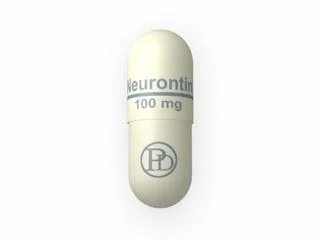
- Hard capsules are the only form currently listed, used for both nerve pain and seizure control.
- Drowsiness, dizziness and unsteadiness are common when treatment begins but often ease as the body adapts over time.
- Alcohol and other central nervous system depressants can add to its sedating effects, so combining them needs care.
What is Gabapentin?
Gabapentin acts as a calming agent designed to modulate the transmission of nerve signals. By adjusting how the body manages specific electrical pulses, it supports more consistent functioning in patients with overactive nerve pathways. While the original formulation is commonly recognised, generic versions offer access to the same active compound for effective symptom management.
Neurological conditions often require consistent support to maintain daily function. This medication provides a documented approach for individuals managing long-term discomfort or sudden, involuntary electrical activity in the brain.
What Gabapentin is used for
Primary applications involve the management of chronic nerve-related discomfort and seizure control. It is widely utilised to address Neuropathic Pain, which often results from injury, surgery, or underlying metabolic or nerve damage.
Additionally, Gabapentin is essential for patients managing Epilepsy to reduce the frequency of seizure events. Consistency in daily application allows for improved quality of life for those managing these specific conditions.
Gabapentin forms and categories
Hard capsules represent the primary formulation currently available. Choosing the specific form depends on individual needs and the treatment plan established with a medical provider.
Neurology remains the primary category for this medication. By providing a stable delivery method, these hard capsules support ongoing treatment goals.
Safety overview for Gabapentin
What to check before using this medicine
Individuals should review their full health history, specifically concerning kidney function, as the body relies on the kidneys to filter this compound. Allergies to similar substances or components in the capsule filling must be ruled out.
Possible reactions and tolerability
Common observations during initial use include drowsiness, dizziness, or a sensation of unsteadiness. Many patients find these effects decrease as the body adjusts to the active compound over time.
Interactions and health factors
Medical health factors, such as the use of other central nervous system depressants, may influence how this medication functions. Combining it with alcohol or other substances that impact brain activity requires careful consideration to avoid increased sedation.
Product labelling and verified clinical sources remain the correct references for specific contraindications, interactions and reactions.