
Neuropathic Pain
Neuropathic pain is pain that comes from damaged or misfiring nerves rather than tissue injury. Unlike a bruise or a sprain, it persists because the nervous system itself is sending faulty signals. Burning sensations, electric shocks, pins and needles, and extreme sensitivity to light touch are all typical features.



Key points
- Faulty signalling from damaged nerves, rather than ongoing tissue injury, produces burning, shooting, or electric-shock sensations and heightened sensitivity to light touch.
- Diabetes, shingles, chemotherapy, and spinal cord damage are common triggers, and the nerve pain can persist long after the original illness has resolved.
- Gabapentin and amitriptyline are established options that calm overactive nerve signalling, and many people need more than one agent for good relief.
Why nerves start misbehaving
Common triggers include diabetes, shingles, chemotherapy, spinal cord injury, and conditions such as multiple sclerosis. Alcohol overuse and nutritional deficiencies also damage peripheral nerves over time. In many cases the underlying disease is controlled but the nerve damage it caused persists independently, which is why neuropathic pain can continue long after an illness resolves.
How it is managed
Treatment targets the nerve signalling pathways rather than inflammation. Gabapentin, part of the neurology category, is widely used as a first-line option; it calms overactive nerve signals. Amitriptyline, a tricyclic from the antidepressants category, is another established choice and works even at lower doses than those used for depression. Most people need to try more than one agent before finding good relief, and some benefit from a combination.
If neuropathic pain is sudden in onset, associated with weakness or loss of bladder control, or rapidly worsening, seek medical attention promptly.
Further reading
Related articles
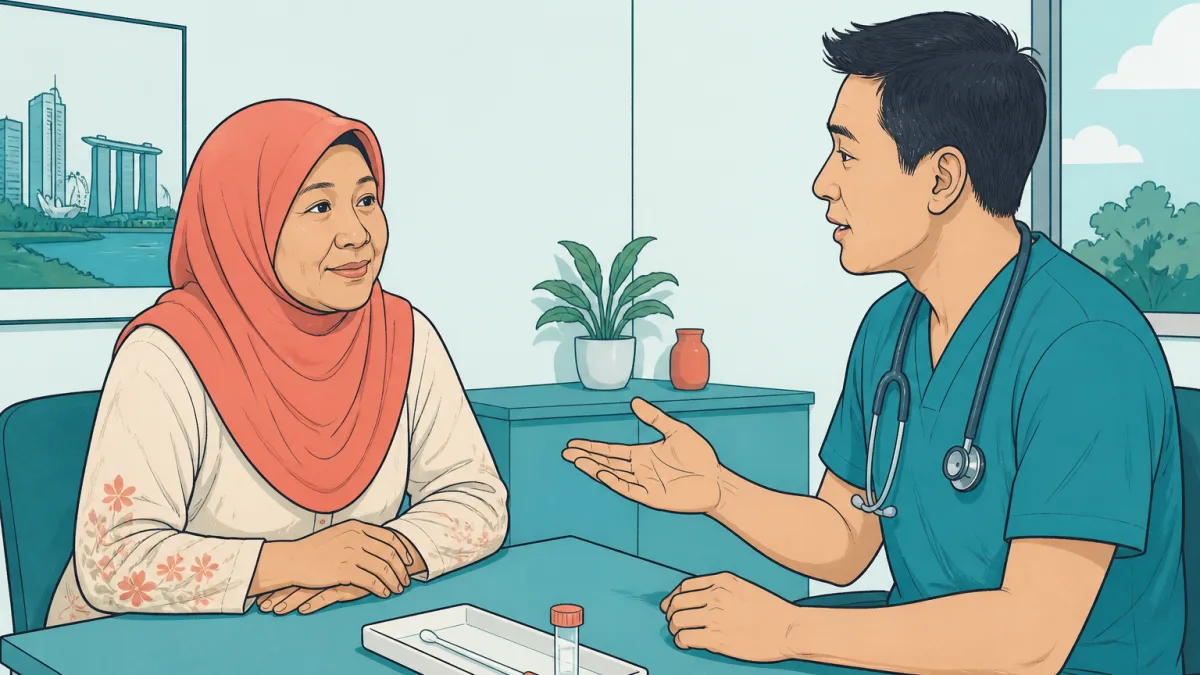
23 Sept 2026 ⋅ 10 min read
The Genetic Test Some People Should Have Before These Medicines
A gene variant common across Southeast Asia and rare in Europe turns a few ordinary medicines into a serious risk for a small number of people. Singapore treats testing for it as standard of care. Why Western articles reduce this to a footnote, and why it is the headline here.
Read guide