
Primidone
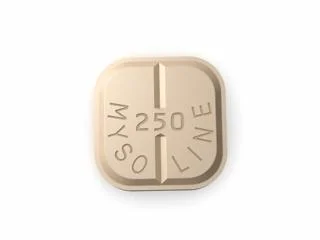
Primidone is a medication commonly used as an anticonvulsant. It remains a foundational option for patients managing Epilepsy. Mysoline is the formulation listed, available in specific tablet strengths to suit individual treatment plans.
Key points
- Partly converted by the liver into phenobarbital, which raises the seizure threshold by calming overactive nerve cells.
- Treats specific chronic seizure types, including complex partial seizures as well as focal motor seizures, by steadying overactive nerve signals.
- Dizziness, unsteadiness or drowsiness are common early on and usually fade as treatment continues.
What is Primidone?
Primidone is an anticonvulsant medication classified under Neurology treatments. It is utilised to control specific types of chronic seizures. Because individual responses vary, it is used to manage brain electrical activity, often when other initial treatments prove insufficient. Understanding how your body processes this compound is central to its consistent application.
What Primidone is used for
Primidone serves as a control agent for chronic seizure disorders. It is indicated for the treatment of seizures, specifically targeting complex partial seizures and focal motor seizures. By stabilising overactive nerve signals, it aims to reduce both the frequency and the severity of episodes.
How does Primidone work?
The liver converts part of this medication into phenobarbital once it enters the system. This active compound then acts on the brain to increase the threshold for seizure activity. By depressing the excitability of nerve cells, it decreases the likelihood of uncontrolled electrical discharges occurring in the brain.
Primidone brands and forms
Patients typically encounter this medication as a tablet. Choosing between available products often depends on the specific concentration recommended by a provider. While the innovator brand Mysoline sets the standard for composition, generics provide a comparable method of administration. Adherence to a consistent tablet form supports steady absorption and effective concentration levels throughout the day.
Safety overview for Primidone
What to check before using this medicine
Ensure your provider has reviewed your medical history, particularly liver or kidney health. Mention any history of blood disorders to your clinician, as this can affect how your body responds to the active compound.
Possible reactions and tolerability
Common reactions include dizziness, unsteadiness, or drowsiness as the body adjusts to the medication. These effects often decrease with time. If mood changes or persistent confusion occur, these should be discussed with a doctor immediately.
Interactions and health factors
Other central nervous system depressants, including alcohol, may exacerbate side effects. Always confirm the compatibility of other medications, particularly those affecting hormone levels or metabolic processes, before combining treatments. Product labelling and verified clinical sources remain the correct references for specific contraindications, interactions and reactions.