
Bipolar Disorder
Bipolar disorder is a chronic mental health condition marked by dramatic swings between elevated mood states (mania or hypomania) and depressive episodes. It affects roughly 1—2% of adults worldwide. Episodes can last days to months, and the periods in between may involve residual symptoms that affect work and relationships.


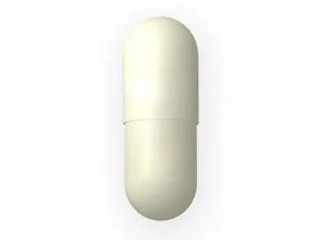
Lithium Tablets
300mg
Lithium 300mg prolonged-release tablets, used in the management of bipolar disorder and recurrent depressive disorder. A mood stabiliser needing blood tests.



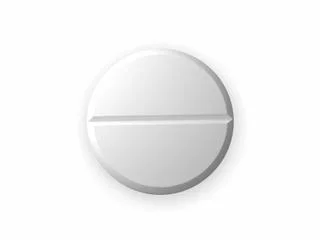
Divalproex Tablets
125 · 250 · 500mg
Divalproex 125mg, 250mg and 500mg prolonged-release tablets, used in the management of epilepsy and bipolar disorder. Sodium valproate with valproic acid.
Key points
- The condition affects roughly one to two percent of adults worldwide, with episodes lasting anywhere from days to months.
- A mixed episode combines manic and depressive features at once and tends to be the hardest presentation to manage.
- Lamotrigine is generally favoured for the depressive phase, while valproic acid is more widely used for mania or mixed states.
- Combining a mood stabiliser with an antipsychotic is common practice, since no single medicine reliably covers both mood poles.
What the mood episodes look like
Manic episodes bring reduced sleep, racing thoughts, inflated self-confidence, rapid speech, and impulsive decisions. Hypomanic episodes are milder versions of the same state. Depressive episodes look much like major depression: low energy, poor concentration, loss of interest, and sometimes thoughts of self-harm. A mixed episode can include features of both poles at once, which is often the most distressing presentation. Some people cycle rapidly (four or more episodes per year); others have long stable stretches.
How bipolar disorder is treated
Treatment usually combines a mood stabiliser with an antipsychotic to cover both poles. Valproic acid is one of the most widely used stabilisers for mania and mixed states. Lamotrigine is preferred for the depressive phase and maintenance. Lithium remains a cornerstone for classic bipolar I. For acute mania or agitation, atypical antipsychotics such as quetiapine, olanzapine, risperidone, and ziprasidone are frequently added, and quetiapine has strong evidence for the depressive phase too. Combination regimens are common because no single agent covers the full illness.
Living with the condition
Regular sleep schedules, stress reduction, and avoiding alcohol and stimulants all reduce episode frequency. Mood-tracking apps and a consistent routine help people and their doctors spot early warning signs before a full episode develops. Structured psychoeducation programmes delivered alongside medication have shown better long-term outcomes than medication alone.
If you or someone you know is in a mental health crisis, contact a local crisis line or go to the nearest emergency department without delay.
Further reading
Related articles

23 Sept 2026 ⋅ 9 min read
Epilepsy Medicines and Moving Across Time Zones
A flight that shortens your day by seven hours is a real problem for a medicine whose whole job is a steady blood level, and the sleep you lose getting there is a seizure trigger in its own right. What to settle before you fly, and why the plan is not one a website should give you.
Read guide
23 Sept 2026 ⋅ 10 min read
The Genetic Test Some People Should Have Before These Medicines
A gene variant common across Southeast Asia and rare in Europe turns a few ordinary medicines into a serious risk for a small number of people. Singapore treats testing for it as standard of care. Why Western articles reduce this to a footnote, and why it is the headline here.
Read guide