
Lithium Tablets
Bipolar Disorder, Recurrent Depressive Disorder
300mg
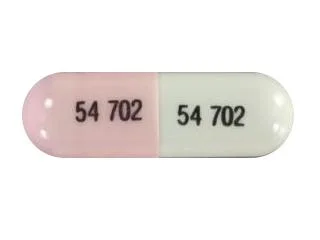
Lithium 300mg prolonged-release tablets, used in the management of bipolar disorder and recurrent depressive disorder. A mood stabiliser needing blood tests.
From$0.59/ tabletView
Lithium, often associated with established names like Liskonum and Priadel, is a foundational therapy for mood stability. It assists patients in managing the highs and lows associated with various mood conditions. Lithium Tablets are the listed option.
Bipolar Disorder, Recurrent Depressive Disorder
300mg
Lithium 300mg prolonged-release tablets, used in the management of bipolar disorder and recurrent depressive disorder. A mood stabiliser needing blood tests.
Mood stability is the primary focus of Lithium, which acts as an agent to regulate chemical activity in the brain. Unlike traditional sedatives, it works by adjusting the way nerve cells send messages. This modification of neural communication helps evening out shifts in mood, providing a baseline of stability for those who experience the extremes of chronic mood conditions.
Treatment with this medication primarily addresses the ongoing challenges of Bipolar Disorder. It is also effectively utilised to support those managing Recurrent Depressive Disorder, helping to reduce the frequency and severity of depressive episodes. By maintaining steady mood levels, the medication serves as a maintenance therapy rather than an acute, short-term fix.
Neurotransmitters, specifically serotonin and norepinephrine, are influenced by this medication to regulate mood and cognition. By enhancing the protective mechanisms within brain cells, it supports consistent emotional regulation. Because this process happens at a cellular level, consistent use is required to observe the desired steadying effects on overall temperament.
Originator products like Liskonum and Priadel are available, alongside generic Lithium Tablets. These formulations are typically presented as a prolonged-release tablet, designed to maintain stable levels of the active compound throughout the day. Exploring options within Mental Health categories helps patients and providers identify the specific formulation best suited to individual patient requirements.
Reviewing renal function and thyroid health is standard practice before beginning this therapy, as the body requires specific monitoring to clear the compound effectively. Consistent hydration levels are necessary to maintain stable concentrations in the blood.
Common responses include mild tremors, increased thirst or changes in urinary frequency. These effects often settle as the body adjusts, although individual tolerability varies. Monitoring for signs of toxicity, such as confusion or severe dizziness, is necessary.
Diuretics and non-steroidal anti-inflammatory drugs can alter how the body retains Lithium, potentially raising levels significantly. Regular blood tests are necessary to ensure the concentration remains within the intended range.
Product labelling and verified clinical sources remain the correct references for specific contraindications, interactions and reactions.