
Obsessive-compulsive Disorder
Obsessive-compulsive disorder (OCD) is a mental health condition in which a person experiences persistent, unwanted thoughts (obsessions) and feels driven to carry out repeated actions (compulsions) to relieve the distress those thoughts cause. The cycle is exhausting and self-reinforcing: the compulsion brings only temporary relief, and the obsession returns stronger. OCD is equally common worldwide, affecting roughly 1-3% of populations.



Key points
- Intrusive, unwanted thoughts drive repetitive actions meant to ease the distress they cause, though the relief never lasts and the thoughts return stronger.
- Typical obsessions centre on contamination, causing accidental harm, or a need for symmetry, met with rituals like repeated hand-washing or lock-checking.
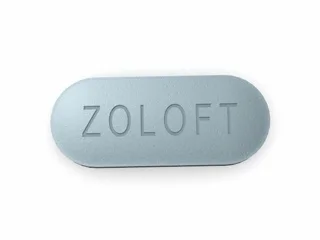
- SSRIs such as fluoxetine or sertraline are first-line, with clomipramine an option when they are not enough, alongside cognitive behavioural therapy.
What obsessions and compulsions actually look like
Obsessions are not ordinary worries. They intrude repeatedly and feel alien or shameful, common themes include fears of contamination, harming others unintentionally, symmetry and order, or unwanted sexual or religious thoughts. Compulsions are behaviours or mental acts carried out to neutralise the obsession: hand-washing, checking locks, arranging objects, silently counting, or seeking reassurance. Most people with OCD recognise the behaviour is irrational but feel unable to stop without help.
How OCD is treated
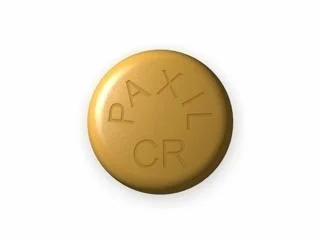
The main evidence-based approach combines cognitive behavioural therapy (CBT), specifically exposure and response prevention (ERP), with medication. Several medicines from the antidepressants group are established first-line treatments for OCD. Serotonin reuptake inhibitors are the drug class of choice; options include fluoxetine, sertraline, fluvoxamine, and paroxetine. When those do not produce enough improvement, clomipramine, a tricyclic antidepressant with strong serotonin activity, is often tried. Effective doses for OCD are typically higher than those used for depression, and a full response can take 10-12 weeks.
When to seek help
OCD rarely resolves without treatment, and symptoms tend to worsen under stress. If intrusive thoughts or rituals are taking up more than an hour a day or are affecting work, relationships, or sleep, a mental health assessment is worthwhile. If you are in crisis, the International Association for Suicide Prevention maintains a directory of crisis centres at https://www.iasp.info/resources/Crisis_Centres/.
Further reading
Related articles

23 Sept 2026 ⋅ 8 min read
Antidepressants When You Live Abroad: The Part Nobody Plans For
The prescription that renewed itself for years does not renew when you move, and people usually discover this at the worst possible moment. Why running out abruptly is the real hazard, how withdrawal gets mistaken for relapse, and what to carry so a new doctor can pick up where the last one left off.
Read guide