
Generalised Anxiety Disorder
Generalised anxiety disorder (GAD) is a pattern of persistent, difficult-to-control worry about a wide range of everyday matters, work, health, finances, family, that continues for months and gets in the way of normal functioning. It differs from ordinary stress: the anxiety feels out of proportion, is hard to switch off, and is often accompanied by physical symptoms such as muscle tension, fatigue, poor sleep, and difficulty concentrating.



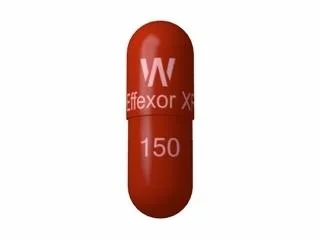

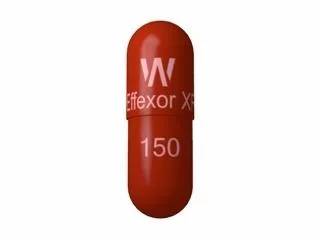
Effexor XR
75 · 150mg
Effexor XR is venlafaxine 75mg and 150mg in a prolonged-release capsule for major depression and generalised anxiety disorder. An SNRI taken once a day.

Key points
- Persistent, hard-to-control worry about everyday matters continues for months and feels disproportionate to the actual situation.
- Bodily symptoms like tense muscles, restless sleep, and stomach upset are often what first bring someone to see a doctor.
- SNRIs and SSRIs such as venlafaxine and escitalopram are first-line, while buspirone offers relief without sedation or dependence risk.
How GAD shows up day to day
Most people with GAD describe a constant low hum of dread that can spike without a clear trigger. Physically, tight shoulders, frequent headaches, an unsettled stomach, and restlessness are common. Mentally, there is often a tendency to anticipate the worst-case outcome of any situation and to struggle to shift attention away from the concern.
GAD is one of the most common anxiety conditions, though cultural norms around disclosing emotional distress can lead to later help-seeking. Somatic complaints, fatigue, muscle pain, insomnia, are frequently the main reason people first consult a doctor.
Drug treatments
First-line medicines belong to the antidepressants group, specifically the SNRI and SSRI classes. Venlafaxine and duloxetine (both SNRIs) are well-studied for GAD and also address physical symptoms like pain and fatigue. Among SSRIs, escitalopram and paroxetine have strong evidence for reducing the severity and frequency of worry episodes.
Buspirone is a non-sedating anxiolytic that works differently from antidepressants; it suits people who need daytime relief without sedation and is not linked to dependence. It typically takes two to four weeks for the full effect to build.
Psychological therapies, particularly cognitive behavioural therapy, are recommended alongside or instead of medicine for mild-to-moderate presentations.
When to seek help promptly
If anxiety is accompanied by chest pain, shortness of breath, or thoughts of self-harm, contact a medical professional or emergency services the same day.
Further reading
Related articles
23 Sept 2026 ⋅ 8 min read
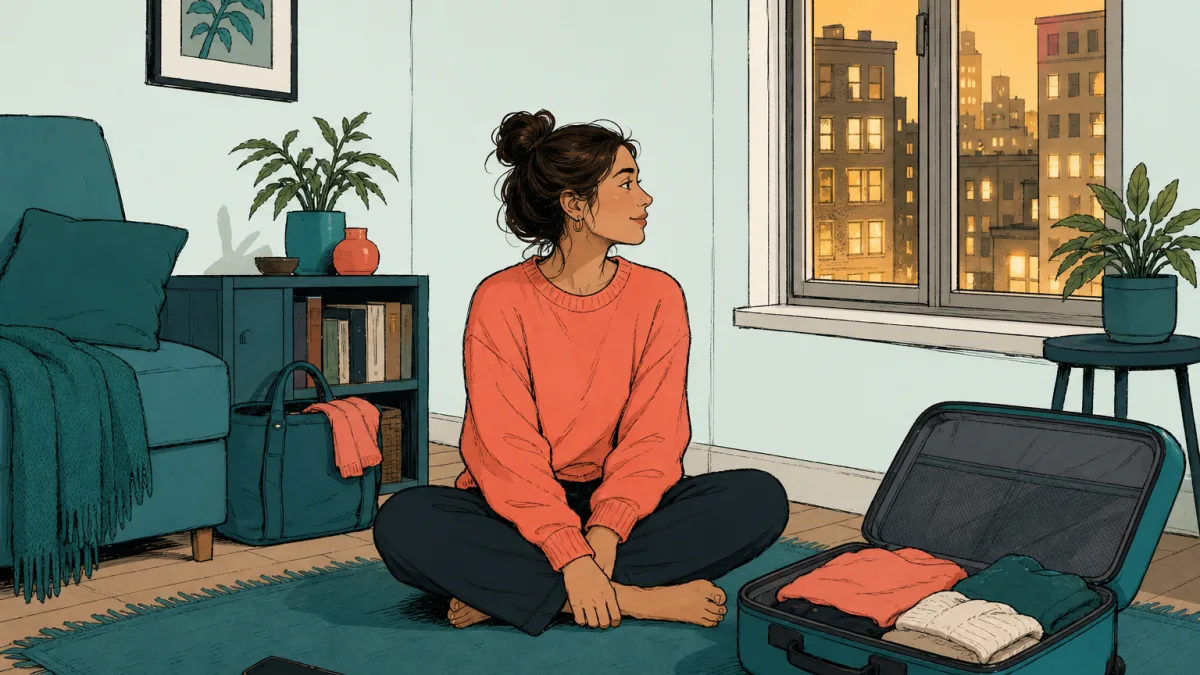
Antidepressants When You Live Abroad: The Part Nobody Plans For
The prescription that renewed itself for years does not renew when you move, and people usually discover this at the worst possible moment. Why running out abruptly is the real hazard, how withdrawal gets mistaken for relapse, and what to carry so a new doctor can pick up where the last one left off.
Read guide