
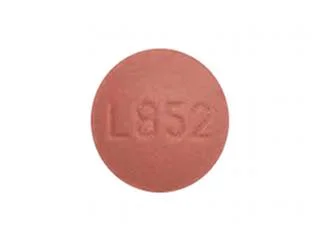
Ranitidine Tablets
Ranitidine 150mg and 300mg tablets, used for peptic ulcer disease and reflux disease. An H2-receptor antagonist that cuts stomach acid.
- Category
- Digestive Health
- Active ingredient
- Ranitidine
- Route
- Oral use
- Form
- Tablet
- Strengths
- 150 · 300mg
You will receive a quality generic, depending on stock.
Prescription rules on Ranitidine Tablets vary by country.
Ranitidine Tablets details
- Therapeutic class
- H2-Receptor Antagonist
- Pharmacological class
- H2-Receptor Antagonist
- Contraindications
- hypersensitivity to ranitidine
- Minor side effects
- headache; constipation
- Moderate side effects
- dizziness; fatigue
- Dosage forms
- Tablet
- Administration route
- Oral use
- Supply category
- General sale, no prescription needed
- Onset Time
- 1–3 hours
- Duration
- 8–12 hours
- Storage instructions
- Store below 25°C.
- Drug interactions
- ketoconazole; warfarin
Precautions and warnings
medication withdrawn due to impurity risks; consult healthcare provider for alternatives
Serious side effects
hepatitis, requires immediate medical attention; anaphylaxis, requires immediate medical attention
Patient summary
Ranitidine 150mg and 300mg tablets, used for peptic ulcer disease and reflux disease. An H2-receptor antagonist that cuts stomach acid.
Mechanism of action
Ranitidine acts as an antagonist to histamine at the H2 receptors in the stomach, which effectively reduces the production and secretion of stomach acid.
Pregnancy and breastfeeding
Pregnancy: Use only if essential. Breastfeeding: Excreted in breast milk; medical advice required.
What you will receive
Ranitidine Tablets is a generic medicine sold under the name of its active ingredient, Ranitidine, rather than under a brand.
- You receive a quality generic; the exact manufacturer depends on what is in stock at the dispatching warehouse.
- It contains the same active ingredient as the brand-name versions, at the same dose, by regulatory standard.
Where this medicine is registered
- Singapore
- Hong Kong
- Thailand
- Malaysia
- Philippines
- Indonesia
- Taiwan
- South Korea
- Japan
- Australia
- New Zealand
- UAE
- South Africa
About Ranitidine Tablets
Ranitidine Tablets contain the active ingredient ranitidine, a medication frequently used for the management of Peptic Ulcer Disease and Gastro-oesophageal Reflux Disease. These tablets are commonly available in 150mg and 300mg strengths to assist in reducing stomach acid production. They remain a standard choice for people seeking relief from regular digestive discomfort.
Buying Ranitidine Tablets online
Ranitidine Tablets are registered across 4 markets including Malaysia, Indonesia and Thailand. As one of the more frequently ordered treatments across the region, this medication offers an accessible option for expats and residents who may be far from a well-stocked pharmacy. Generic ranitidine, much of which is manufactured in India, provides a consistent and highly affordable alternative to original brand equivalents for managing daily digestive symptoms.