
Peptic Ulcer Disease
Peptic ulcer disease describes open sores that form in the lining of the stomach or the upper part of the small intestine. The protective mucus layer breaks down, leaving tissue exposed to stomach acid. The result is a burning or gnawing pain, typically felt in the upper abdomen, that may ease after eating or worsen between meals.

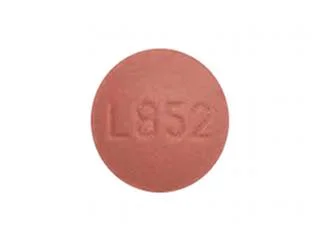
Ranitidine Tablets
150 · 300mg
Ranitidine 150mg and 300mg tablets, used for peptic ulcer disease and reflux disease. An H2-receptor antagonist that cuts stomach acid.
Key points
- Stomach acid reaches exposed tissue once the mucus barrier normally protecting it wears away, causing a gnawing, burning ache.
- A stomach bacterium and frequent use of anti-inflammatory painkillers together explain almost all cases seen globally.
- Reducing acid production gives the damaged lining time to heal, while antibiotics tackle any underlying bacterial cause.
- Dark, tar-like stools, vomit resembling coffee grounds or sudden intense stomach pain point to a bleed or perforation needing urgent care.
What breaks the lining down
Two causes account for the vast majority of cases worldwide. The first is infection with Helicobacter pylori, a bacterium that weakens the stomach’s defences, H. pylori infection remains one of the most common causes of ulcers worldwide. The second is regular use of non-steroidal anti-inflammatory drugs (NSAIDs) such as ibuprofen or aspirin, which reduce the prostaglandins that help protect the gut wall.
Relieving acid and letting the ulcer heal
Treatment focuses on reducing acid long enough for the lining to repair itself. Proton pump inhibitors are the mainstay; lansoprazole is one widely used option that sharply cuts acid output over a sustained course. Older H2-blockers like ranitidine lower acid by a different mechanism and may still be used in certain situations. When H. pylori is the underlying cause, antibiotic combination therapy runs alongside acid suppression to clear the infection and reduce the chance of recurrence.
Explore the full range of medicines in digestive health.
Seek prompt medical attention if you notice black or tarry stools, vomit that looks like coffee grounds, or sudden severe abdominal pain, these can signal a bleeding or perforated ulcer that needs urgent care.