
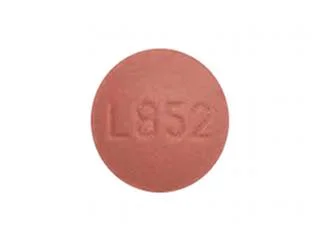
Ranitidine Tablets
Peptic Ulcer Disease
150 · 300mg
Ranitidine 150mg and 300mg tablets, used for peptic ulcer disease and reflux disease. An H2-receptor antagonist that cuts stomach acid.
From$0.21/ tabletView
Ranitidine is a medication used to reduce the amount of acid produced by the stomach. It is commonly employed to manage symptoms related to Peptic Ulcer Disease and Gastro-oesophageal Reflux Disease.
Peptic Ulcer Disease
150 · 300mg
Ranitidine 150mg and 300mg tablets, used for peptic ulcer disease and reflux disease. An H2-receptor antagonist that cuts stomach acid.
Ranitidine belongs to a class of compounds known as H2 blockers. These work by blocking histamine receptors in the stomach lining, effectively lowering acid secretion. This action provides relief for patients experiencing discomfort from excess stomach acid.
Healthcare providers use this medication to address various issues affecting Digestive Health. It assists in treating and preventing ulcers, and it manages the symptoms of chronic acid reflux. By limiting acid production, it allows the stomach and oesophagus time to heal.
Stomach cells release acid in response to a chemical called histamine. Ranitidine binds to the H2 receptors on these cells, preventing histamine from triggering acid release. This results in a significant reduction in acidity levels within the digestive tract.
This active substance is commonly available as a tablet that is taken orally. Tablets are designed for steady release and ease of use in daily symptom management.
Check for known allergies to H2 blockers before use. Mention underlying kidney function concerns to a professional, as these organs are responsible for clearing the substance from the body.
Most people tolerate this medication well. Occasionally, individuals may experience mild headaches or temporary dizziness when first adjusting to the medication.
Certain stomach medications can alter the absorption of other substances. Inform a medical practitioner about any other treatments you are currently undertaking to avoid potential interference. Product labelling and verified clinical sources remain the correct references for specific contraindications, interactions and reactions.