
Gastro-oesophageal Reflux Disease
Gastro-oesophageal reflux disease (GORD) develops when stomach acid flows back into the oesophagus regularly enough to cause symptoms or tissue damage. It is one of the most common digestive complaints, with rising rates linked to urbanisation, high-salt diets, and increasing rates of obesity.
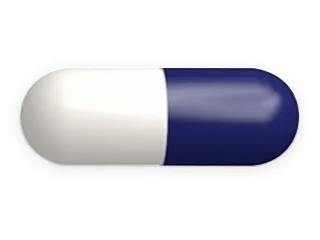
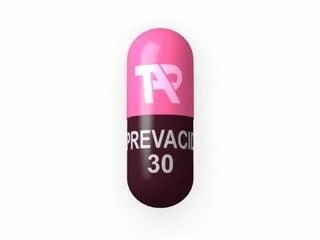

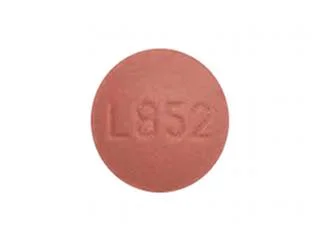
Ranitidine Tablets
150 · 300mg
Ranitidine 150mg and 300mg tablets, used for peptic ulcer disease and reflux disease. An H2-receptor antagonist that cuts stomach acid.
Key points
- A burning feeling that spreads upward from the stomach into the chest defines heartburn, often triggered by meals or lying down afterwards.
- Some people notice only a persistent cough, hoarseness or a lump-like throat sensation, with no heartburn at all.
- As proton pump inhibitors, lansoprazole, rabeprazole and dexlansoprazole form the most effective drug class, generally dosed once daily ahead of breakfast.
What GORD feels like
The classic symptom is heartburn: a burning sensation rising from the upper abdomen toward the chest and throat, often worse after meals or when lying down. Acid regurgitation, a sour or bitter taste reaching the mouth, is equally common. Some people experience a chronic cough, hoarseness, or the sensation of a lump in the throat without obvious heartburn, which can make GORD easy to overlook or confuse with other conditions.
Reducing acid and protecting the oesophagus
Lifestyle adjustments matter: eating smaller meals, avoiding late-night food, cutting back on fatty or spicy dishes, and elevating the head of the bed can all reduce the frequency of reflux episodes.
When changes to diet and habits are not enough, acid-suppressing medicines form the backbone of treatment. Proton pump inhibitors (PPIs) are the most effective class, and lansoprazole, rabeprazole and dexlansoprazole all sit in the digestive health group. Ranitidine is an H2 blocker that works differently and may suit milder or intermittent symptoms. PPIs are generally taken before the first meal of the day for best effect.
Seek medical attention promptly if you have difficulty swallowing, unexplained weight loss, vomiting blood, or black stools, these can signal complications that need investigation beyond standard GORD management.