
Hydrochlorothiazide
Standard diuretic therapy frequently relies on Hydrochlorothiazide to manage cardiovascular health and fluid retention. Numerous generic and brand-name formulations, such as Ometec and Esidrex, provide flexibility for individual needs. Nine variations are indexed here, across tablet and film-coated options.
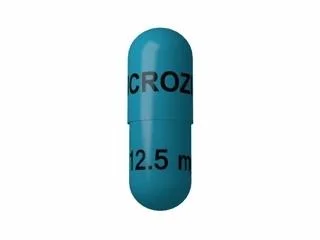

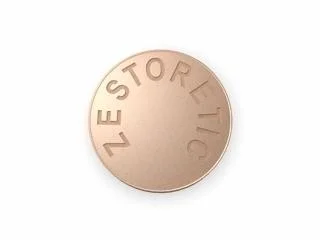
Zestoretic
Hypertension
5/12.5g/mg
Lisinopril with hydrochlorothiazide as a tablet for hypertension. Two pathways at once: less angiotensin II, and more salt and water out.




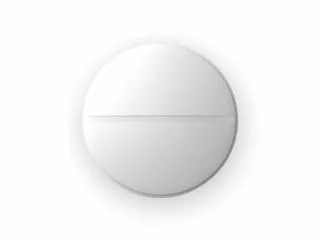
Micardis HCT
Hypertension
40/12.5 · 80/12.5mg
Micardis HCT pairs telmisartan with hydrochlorothiazide in 40/12.5mg and 80/12.5mg tablets for hypertension, a sartan with a thiazide diuretic.

Benicar HCT
Hypertension
20/12.5 · 40/12.5mg
Benicar HCT pairs olmesartan with hydrochlorothiazide in 20/12.5mg and 40/12.5mg tablets for hypertension, adding a diuretic to the receptor blocker.
Key points
- It works in the kidney’s distal tubules, blocking sodium and chloride reabsorption to increase urine output.
- It is used both for high blood pressure and for oedema, where excess fluid builds up in the body.
- Electrolyte imbalances or early dehydration signs, such as dizziness, are worth watching for after starting treatment.
- NSAIDs and other blood-pressure-lowering medicines, along with alcohol, can interact with this diuretic.
What is Hydrochlorothiazide?
Thiazide diuretics include this active chemical, widely recognised for its ability to help the body eliminate excess water. Its main function involves assisting the kidneys to filter out salt and fluid, aiding in the reduction of overall fluid volume within the system.
Many patients encounter different manufacturers, resulting in a variety of brand-name and generic equivalents. These versions typically adhere to strict standards, ensuring that regardless of the label, the core biological effect remains consistent for effective management.
What Hydrochlorothiazide is used for
Clinical applications primarily focus on Hypertension and the management of Oedema. Health providers often select this agent for patients who need support maintaining regular fluid levels or controlling blood pressure parameters.
How does Hydrochlorothiazide work?
Mechanism involves blocking the reabsorption of sodium and chloride in the distal convoluted tubules of the kidney. This action causes increased urine production, which helps decrease the volume of fluid in the bloodstream and reduces the workload on the heart.
Hydrochlorothiazide brands and forms
Generics and established brands like Ometec, Hydrosaluric, and Ziac appear frequently in the wider Heart & Blood Pressure category. Tablet and film-coated tablet preparations provide different choices for daily administration, often allowing for easier swallowing or specific release characteristics.
Safety overview for Hydrochlorothiazide
What to check before using this medicine
Review personal medical history, particularly kidney and liver function, before adding any new diuretic. Ensuring that current intake of other blood pressure agents or supplements aligns with clinical guidance is essential for maintaining health.
Possible reactions and tolerability
Common responses can involve changes in electrolyte balance or fluctuations in fluid status. Monitoring for signs of dehydration or dizziness during the initial phases of use helps in assessing individual tolerability.
Interactions and health factors
Alcohol, certain non-steroidal anti-inflammatory drugs, and other blood pressure lowering agents may interact with diuretic treatments. Product labelling and verified clinical sources remain the correct references for specific contraindications, interactions and reactions.
Further reading
Related articles

9 Aug 2026 ⋅ 9 min read
Blood Pressure Medicine in a Hot Climate: Why the Dose That Worked Back Home Feels Wrong
Heat changes what a blood pressure medicine does to you, and the dizziness that starts a few weeks after moving is usually the two things meeting. Which classes the heat compounds, what a home reading is really telling you, and the mistake people make on the hottest days.
Read guide