
Oedema
Oedema is the build-up of fluid in body tissues, producing visible swelling most often in the legs, ankles, and feet. It is not a disease in itself but a sign of an underlying process, heart, kidney, or liver problems, venous insufficiency, or prolonged sitting on a long-haul flight. In tropical climates, heat alone can cause mild ankle swelling in otherwise healthy people, so the context matters a great deal.
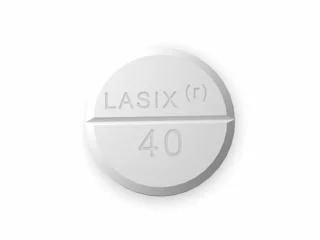
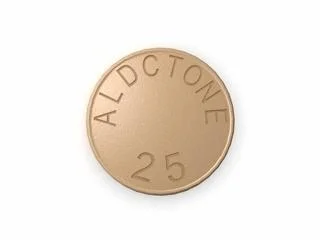
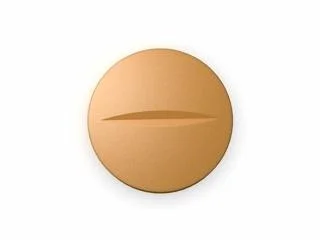
Amiloride Tablets
5mg
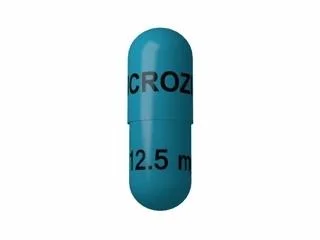
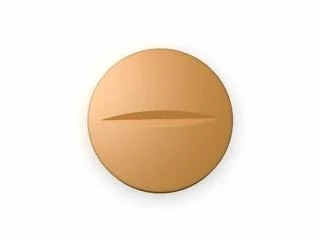
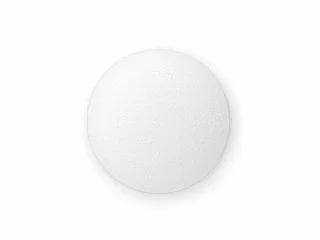
Amiloride 5mg tablets, used in the management of hypertension and oedema. A potassium-sparing diuretic: sodium and water leave, potassium is held back.


Key points
- Fluid tips out of blood vessels into surrounding tissue whenever the kidneys, heart, or liver lose their normal grip on salt and water balance.
- Swelling confined to one leg or eyelid usually points to a local cause such as a clot or infection, rather than a whole-body problem.
- Diuretics such as furosemide are the main treatment, drawing excess fluid from the tissues, with potassium-sparing options added when they lower potassium too far.
What drives the fluid build-up
The kidneys regulate how much salt and water the body holds, and anything that disrupts that balance can tip fluid out of blood vessels and into surrounding tissue. Heart failure is one of the commonest culprits: a weakened heart raises backpressure in the venous system, pushing fluid outward. Kidney disease reduces the body’s ability to excrete sodium. Cirrhosis lowers albumin levels, which normally keeps fluid inside vessels. Certain blood pressure medicines, corticosteroids, and anti-inflammatory drugs can also contribute.
Localised oedema, one swollen leg, a puffy eyelid, points toward a local cause such as a deep-vein thrombosis, lymphatic blockage, or local infection rather than a systemic one.
Diuretics: the main treatment approach
Most oedema treatment centres on diuretics, which increase urine output and pull excess fluid out of the tissues. Furosemide (a loop diuretic) works quickly and is often the first choice for significant fluid overload linked to heart or kidney conditions. Torsemide is a longer-acting loop diuretic that some patients tolerate better. For milder cases or as a complement to loop diuretics, hydrochlorothiazide reduces reabsorption of salt in the kidney tubules. Spironolactone and amiloride are potassium-sparing options particularly useful when loop or thiazide diuretics alone cause low potassium, and spironolactone is a first-line choice for oedema caused by liver cirrhosis. Acetazolamide has a narrower role, mainly in altitude-related oedema and some specialist settings. Heart and blood pressure conditions that lead to oedema are covered in the heart and blood pressure category.
Self-care and when to get help
Mild dependent swelling often responds to elevating the legs above heart level for 30 minutes a few times a day, reducing sodium intake, and wearing compression stockings. Staying well-hydrated (counterintuitive as it sounds) helps the kidneys work efficiently.
Seek medical attention promptly for sudden swelling in one leg with calf pain, swelling that comes with breathlessness or chest tightness, or pitting oedema that appears rapidly over hours, these can indicate a clot or acute heart failure that needs urgent assessment.
Further reading
Related articles

9 Aug 2026 ⋅ 9 min read
Blood Pressure Medicine in a Hot Climate: Why the Dose That Worked Back Home Feels Wrong
Heat changes what a blood pressure medicine does to you, and the dizziness that starts a few weeks after moving is usually the two things meeting. Which classes the heat compounds, what a home reading is really telling you, and the mistake people make on the hottest days.
Read guide