Azilsartan and Chlorthalidone Tablets
Hypertension
40/12.5mg
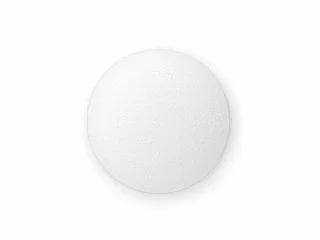
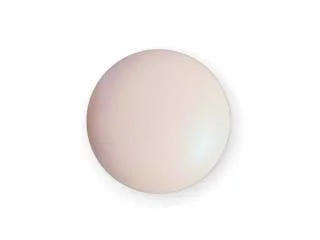
Azilsartan with chlorthalidone as a 40/12.5mg film-coated tablet for hypertension. An angiotensin receptor blocker paired with a thiazide-like diuretic.
From$1.35/ tabletView
Chlorthalidone functions as a diuretic, also known as a water pill, used to manage Hypertension and chronic Oedema. The branded Edarbyclor and generic Hygroton are among three formulations in the Heart & Blood Pressure category. These products assist the body in eliminating excess salt and fluid effectively.
Hypertension
40/12.5mg
Azilsartan with chlorthalidone as a 40/12.5mg film-coated tablet for hypertension. An angiotensin receptor blocker paired with a thiazide-like diuretic.
Hypertension
40/12.5mg
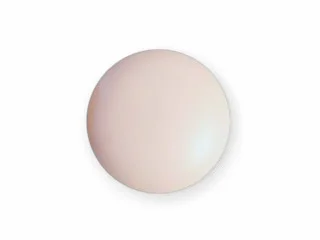
Edarbyclor pairs azilsartan with chlorthalidone in a 40/12.5mg tablet for hypertension, adding renal salt and water excretion to receptor blockade.
Belonging to the thiazide-like diuretic group, this medication targets kidney function to adjust fluid balance. Many individuals turn to this treatment when managing long-term blood pressure concerns. Providers often categorise these preparations based on their active compound concentration and release profile.
The diverse availability of generics alongside established brands like Edarbyclor provides flexibility regarding product selection. Each formulation aims to maintain consistent bioavailability, allowing consistent management of symptoms over time without requiring frequent dosage adjustments.
Clinical use focuses primary on the reduction of extracellular fluid volume and the lowering of elevated blood pressure. Managing Hypertension remains the most common application, as the active compound helps reduce strain on the cardiovascular system.
For those experiencing Oedema, this medication supports the kidney in removing surplus fluids that accumulate in tissue. By assisting in the excretion of minerals like sodium, the body maintains healthier fluid levels, often reducing swelling associated with fluid retention.
Workings of this medication rely on inhibition of sodium and chloride reabsorption in the distal convoluted tubule of the kidneys. By preventing the body from reabsorbing these electrolytes, it promotes their excretion along with water.
This process reduces the total volume of fluid in your bloodstream. Lower blood volume directly translates to reduced resistance in your vessels, which assists in lowering blood pressure. The effect lasts substantially longer than some other diuretics, providing extended coverage throughout the day.
Available options encompass various solid forms, specifically tablets and film-coated tablets. The choice between a film-coated preparation and a standard tablet often depends on manufacturing preferences regarding stability and ease of swallowing. While the active ingredient remains the same, specific brands like Edarbyclor may offer particular strengths or release combinations.
Review your medical history for conditions involving kidney or liver impairment, as these may impact how your system processes diuretics. Confirm your current electrolyte levels, particularly potassium and sodium concentrations, before starting any new regimen.
Common responses include increased frequency of urination, mild dizziness when changing positions, or changes in thirst. Some users report muscle cramps or fatigue, which typically suggests an imbalance in electrolytes that requires attention.
Certain substances may interact with diuretic treatments, including other blood pressure medications, lithium, or medications for gout. Product labelling and verified clinical sources remain the correct references for specific contraindications, interactions and reactions.

9 Aug 2026 ⋅ 9 min read
Heat changes what a blood pressure medicine does to you, and the dizziness that starts a few weeks after moving is usually the two things meeting. Which classes the heat compounds, what a home reading is really telling you, and the mistake people make on the hottest days.
Read guide