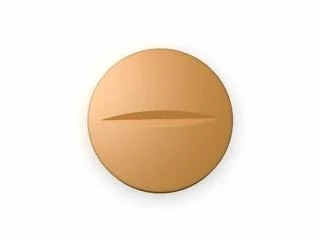
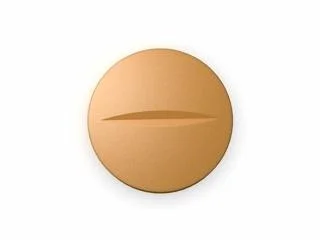
Amiloride Tablets
Hypertension, Oedema
5mg
Amiloride 5mg tablets, used in the management of hypertension and oedema. A potassium-sparing diuretic: sodium and water leave, potassium is held back.
From$0.20/ tabletView
Amiloride (Midamor) is a potassium-sparing diuretic used to manage high blood pressure and fluid build-up linked to heart or liver conditions. Two formulations are listed, Amiloride Tablets and Frumil. It is often combined with other diuretics to protect potassium levels while removing excess fluid.
Hypertension, Oedema
5mg
Amiloride 5mg tablets, used in the management of hypertension and oedema. A potassium-sparing diuretic: sodium and water leave, potassium is held back.
Amiloride is a pharmaceutical diuretic that belongs to the class known as potassium-sparing agents. Unlike many other diuretics that flush potassium out through the kidneys, this medicine blocks sodium channels in the kidney’s collecting ducts, which encourages the body to shed extra fluid and sodium while retaining potassium.
Because potassium balance matters for heart rhythm and muscle function, doctors often pair amiloride with stronger diuretics such as furosemide or hydrochlorothiazide. That combination approach explains why you may see standalone amiloride tablets alongside combination products like Frumil. Each formulation serves a specific role in managing conditions tied to fluid retention.
Amiloride is used for Hypertension and Oedema, particularly the swelling associated with heart failure, liver cirrhosis or kidney disorders. It lowers blood pressure by reducing fluid volume without depleting potassium, which makes it a valuable option in multi-drug regimens.
In patients with heart failure, amiloride helps ease the swelling in the legs and ankles and the shortness of breath that comes from fluid collecting in the lungs. It is also used in cases of ascites, where fluid collects in the abdomen, often related to advanced liver conditions.
Amiloride works on the distal tubules of your kidneys by blocking epithelial sodium channels. Think of these channels as tiny gates that let sodium, and therefore water, flow back into your bloodstream. By closing those gates, amiloride keeps more sodium and water moving out as urine while preventing potassium from escaping at the same time.
This mechanism means your blood volume drops slightly, which lowers the pressure inside your blood vessels. Because potassium stays in your body, you avoid the cramps, fatigue and heart-rhythm problems that other diuretics can sometimes trigger.
The originator brand for amiloride is Midamor, which is commonly referenced in Heart & Blood Pressure treatment guidelines. Generic versions and combination products, such as Frumil, have since become available.
Amiloride is available as a tablet, which makes daily dosing straightforward. Some patients prefer standalone amiloride tablets when a doctor is fine-tuning potassium levels, while combination products like Frumil pair it with a loop diuretic for stronger fluid removal. Comparing the listed options on this page can help you identify which formulation matches what your doctor has prescribed.
Amiloride may not be suitable if you have kidney problems, diabetes or high potassium levels. Tell your doctor about any kidney function results and any supplements or salt substitutes that contain potassium, as those can add to the effect.
Some people experience headache, nausea, dizziness or mild stomach upset when starting amiloride. Most of these effects are mild and may settle as your body adjusts. More serious concerns involve potassium building up too quickly, which can cause muscle weakness or an irregular heartbeat.
Amiloride can interact with ACE inhibitors, angiotensin receptor blockers, NSAIDs and other potassium-sparing agents. These combinations raise the chance of potassium levels climbing too high. Regular blood tests are usually recommended to monitor potassium and kidney function during treatment.
Product labelling and verified clinical sources remain the correct references for specific contraindications, interactions and reactions.