
Rheumatoid Arthritis
Rheumatoid arthritis is an autoimmune condition where the immune system attacks the lining of the joints, causing inflammation, swelling and pain. Unlike the wear-and-tear of osteoarthritis, it usually affects the same joints on both sides of the body, often the hands, wrists and feet, and tends to come on gradually over weeks or months. Left unchecked, the inflammation can damage cartilage and bone, so early treatment matters.



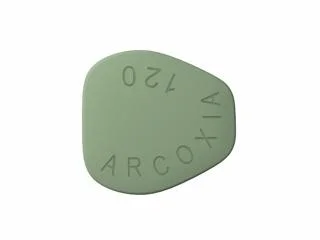
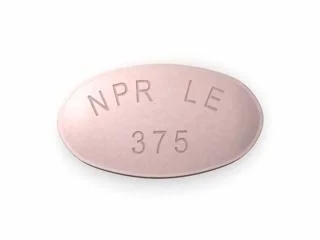




Voveran SR
100mg
Voveran SR is diclofenac 100mg in a prolonged-release tablet for rheumatoid arthritis and osteoarthritis, releasing the NSAID gradually.
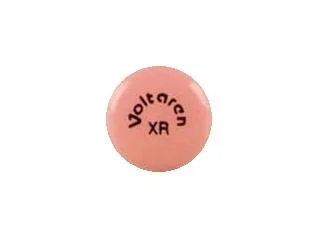
Voltaren SR
100mg
Voltaren SR is diclofenac 100mg in a modified-release tablet for rheumatoid arthritis, osteoarthritis and ankylosing spondylitis.



Aceclofenac Tablets
100 · 200mg
Aceclofenac 100mg and 200mg tablets, an NSAID used for rheumatoid arthritis, osteoarthritis and ankylosing spondylitis. Cyclooxygenase is the target.








Azulfidine
500mg
Sulfasalazine 500mg tablets, used in the management of rheumatoid arthritis, ulcerative colitis and Crohn's disease. A sulfonamide DMARD.

Methotrexate Tablets
2.5mg
Methotrexate 2.5mg tablets, used in the management of rheumatoid arthritis, psoriasis and Crohn's disease. A folic acid antagonist blocking dihydrofolate reductase.



Key points
- The immune system attacks the joint lining, usually striking matching joints on both sides such as hands, wrists and feet.
- Morning stiffness lasting over half an hour, with warmth, puffiness and symmetrical ache, is the classic early clue.
- Care combines anti-inflammatory painkillers and short steroid courses for flares with disease-modifying medicines that calm the underlying immune attack.
Spotting the early signs
The classic clue is morning stiffness that lasts more than half an hour and eases as the day goes on. Joints may feel warm, look puffy and ache symmetrically. Many people also notice tiredness, a mild fever or weight loss before the joints flare up. Symptoms tend to wax and wane in flares rather than worsening in a straight line. See a doctor if joint swelling persists for more than a few weeks, as starting treatment early gives the best chance of protecting the joints long term.
How it is treated
Treatment has two strands: calming day-to-day pain and slowing the underlying disease. For pain and stiffness, anti-inflammatory medicines such as naproxen, diclofenac, celecoxib, piroxicam and indometacin are widely used, and you can browse the full range under pain management. During flares, a short course of a steroid like prednisolone can settle inflammation quickly. Alongside these, disease-modifying medicines work to dampen the immune response itself, which is where autoimmune support options come in. A rheumatologist usually tailors the combination to how active the disease is.
Living with it
Staying active keeps joints mobile, so gentle movement, swimming and hand exercises help more than rest. A warm, humid climate suits people who find cold weather stiffens their joints, though high heat can worsen fatigue during flares. Pacing daily tasks, protecting joints with supportive aids and keeping to a healthy weight all reduce strain. Anyone relocating should keep their treatment plan going without gaps, since flares are easier to prevent than to reverse.
Further reading
Related articles

23 Sept 2026 ⋅ 7 min read
Immunosuppressed in the Tropics: What Changes When the Fever Is Dengue
Medicines that turn the immune system down are the reason many people are well. They also change what an ordinary fever means, and dengue season is not an ordinary background. Why waiting it out is the one piece of standard advice that does not apply to you.
Read guide