
Diclofenac
Diclofenac (often recognised by brands such as Voltaren and Voltarol) serves as an effective anti-inflammatory medication for managing pain and joint inflammation. Options such as Voltaren and Voveran are among 5 distinct generic formulations available, offering accessible treatment choices for patients.
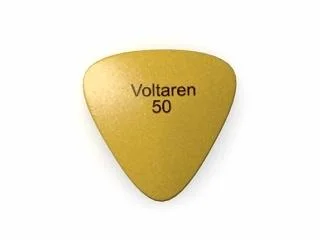
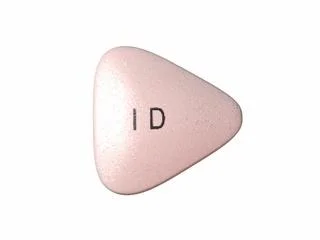

Voveran SR
Rheumatoid Arthritis, Osteoarthritis
100mg
Voveran SR is diclofenac 100mg in a prolonged-release tablet for rheumatoid arthritis and osteoarthritis, releasing the NSAID gradually.
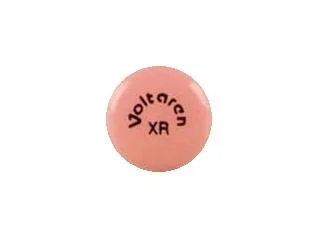
Voltaren SR
Rheumatoid Arthritis, Osteoarthritis
100mg
Voltaren SR is diclofenac 100mg in a modified-release tablet for rheumatoid arthritis, osteoarthritis and ankylosing spondylitis.

Key points
- An NSAID that eases pain and swelling by cutting the body’s output of prostaglandins, the chemicals that drive inflammation.
- Used for joint conditions including rheumatoid arthritis, osteoarthritis and ankylosing spondylitis, as well as short episodes of acute musculoskeletal pain.
- Comes as gastro-resistant, modified-release, prolonged-release or standard tablets, each offering a different rate of absorption.
- A history of stomach ulcers, heart disease or asthma is worth flagging beforehand, given possible interactions with blood-thinning and blood-pressure medicines.
What is Diclofenac?
Diclofenac belongs to the class of non-steroidal anti-inflammatory drugs, commonly known as NSAIDs. It acts by targeting inflammation and reducing pain associated with sensitive tissues. Because symptoms manifest differently for everyone, manufacturers provide various formulations to suit different relief requirements.
What Diclofenac is used for
The medication is commonly utilised to address symptoms of Rheumatoid Arthritis and Osteoarthritis. Diclofenac also targets rigidity caused by Ankylosing Spondylitis and provides relief from episodes of Acute Musculoskeletal Pain.
How does Diclofenac work?
The medication reduces the production of prostaglandins, which are substances in your body that trigger pain and swelling. By inhibiting the enzymes responsible for this production, it eases discomfort and assists in reducing systemic inflammation.
Diclofenac brands and forms
Branded versions include Voltarol, Voltaren, Dicloflex, Flamrase, and Motifene, alongside generic formulations. These options are standard within Pain Management. Available forms include: Tablet, Modified-release tablet, Gastro-resistant tablet, and Prolonged-release tablet.
Safety overview for Diclofenac
What to check before using this medicine
Review your medical history for conditions such as stomach ulcers, cardiovascular disease, or asthma. Discussing any pre-existing health factors with your provider is necessary before starting this treatment.
Possible reactions and tolerability
Sensitive individuals may experience gastrointestinal upset or skin sensitivity. Tolerance varies based on the individual and the dosage form selected.
Interactions and health factors
Diclofenac may interact with other pain relievers, blood-thinning agents, or medications for high blood pressure. Product labelling and verified clinical sources remain the correct references for specific contraindications, interactions and reactions.