
Ankylosing Spondylitis
Ankylosing spondylitis (AS) is a long-term inflammatory condition that primarily targets the spine and the sacroiliac joints at the base of the back. Over time, persistent inflammation can cause vertebrae to fuse, reducing flexibility and causing the characteristic forward-stooped posture. AS affects roughly 0.1—0.5% of the population, with higher rates reported in certain HLA-B27-prevalent populations.

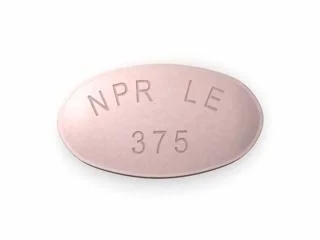
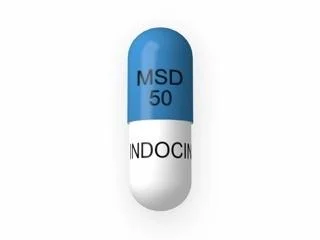
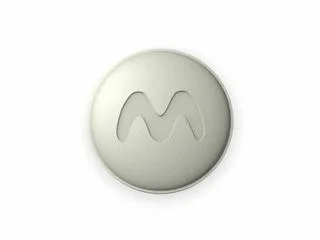


Voltaren SR
100mg
Voltaren SR is diclofenac 100mg in a modified-release tablet for rheumatoid arthritis, osteoarthritis and ankylosing spondylitis.

Aceclofenac Tablets
100 · 200mg
Aceclofenac 100mg and 200mg tablets, an NSAID used for rheumatoid arthritis, osteoarthritis and ankylosing spondylitis. Cyclooxygenase is the target.

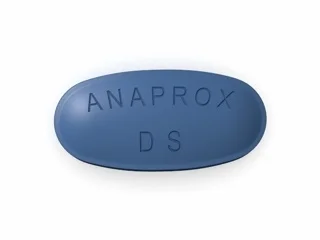

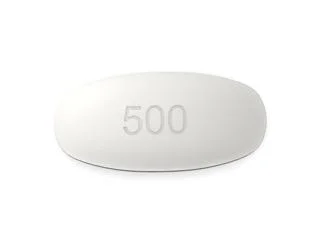
Key points
- Stiffness that is worst first thing and eases with movement is the reverse of how typical mechanical back pain behaves.
- Ongoing inflammation can gradually fuse spinal vertebrae, reducing flexibility and producing the characteristic stooped posture over years.
- Using anti-inflammatory medicine consistently, rather than only when pain flares, is thought to slow structural progression in some patients.
- Eye pain and redness during a flare can indicate uveitis, a complication needing urgent care so eyesight is not harmed.
The pattern of symptoms
Pain and stiffness in the lower back and buttocks are typically the first signs, worst on waking and easing with movement, the opposite of most mechanical back pain. Fatigue is common and often underestimated. Inflammation can extend beyond the spine to the hips, shoulders, and occasionally the eyes (acute anterior uveitis). Symptoms usually begin in early adulthood, and men are diagnosed roughly two to three times more often than women, though women may present with milder spinal changes.
Managing inflammation and keeping mobile
Non-steroidal anti-inflammatory drugs are the frontline treatment for controlling pain and morning stiffness. Several options are available in our pain management range, including naproxen, diclofenac, meloxicam, and celecoxib. Indometacin has been used in AS for decades and remains effective for flares; piroxicam offers a once-daily option suited to those who find dosing adherence a challenge.
Sustained use of NSAIDs, not just on-demand, is thought to slow radiographic progression in some patients. Exercise, particularly swimming and targeted physiotherapy, is as important as medication: keeping the spine mobile counters the tendency towards stiffening. Posture awareness and sleeping on a firm, flat surface without a pillow under the knees also help preserve spinal alignment over years.
If symptoms worsen significantly or you develop eye redness and pain, seek medical attention promptly; uveitis from AS requires urgent treatment to protect vision.