
Naproxen
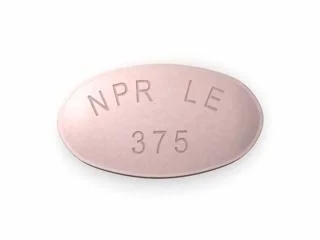
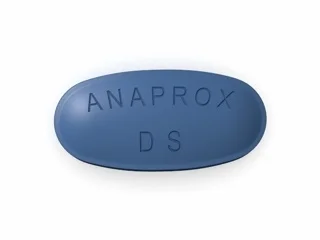
Naproxen (often recognised by brands like Naprosyn and Anaprox) is a medication used to reduce inflammation and manage moderate pain. It is a common choice for chronic physical conditions. Three formulations are listed, ranging across standard and prolonged-release options.

Key points
- It works by blocking prostaglandins, the chemical signals responsible for pain and swelling after injury or in chronic joint disease.
- It treats osteoarthritis, rheumatoid arthritis, ankylosing spondylitis and general musculoskeletal pain by easing the underlying inflammation.
- Gastro-resistant and film-coated versions aim to protect the stomach, while prolonged-release tablets cut down how often it must be taken.
- Taking each dose alongside a meal tends to ease stomach tolerability, and caution is advised for those with cardiac, renal or gastric history.
What is Naproxen?
Naproxen belongs to a class of medications called non-steroidal anti-inflammatory drugs, commonly known as NSAIDs. It functions by targeting the chemical pathways in the body that cause redness, swelling and discomfort. Because different patients prefer specific absorption rates, manufacturers produce it in various reliable formats to ensure consistent relief.
The variety of formulations available allows for more tailored management. Some versions are designed for immediate release, while others are processed slowly to maintain steady levels of the medication in your system throughout the day.
What Naproxen is used for
This medication is primarily used to address various inflammatory conditions that cause long-term discomfort. Patients often use it to manage:
By addressing the underlying inflammation, the medication assists in restoring movement and reducing the constant ache associated with these joint and muscular conditions.
How does Naproxen work?
Naproxen inhibits the production of prostaglandins. These are substances in your body that signal pain and trigger inflammation responses after an injury or during chronic conditions. By blocking the enzymes responsible for creating these signals, the medication effectively lowers the severity of the inflammatory response.
This mechanism acts locally and systemically once absorbed into the bloodstream. It does not address the root cause of the structural damage, but it reduces the physical impact of the inflammatory process on your daily comfort.
Naproxen brands and forms
The brand range for this medication includes well-known products such as Naprosyn, Ecxen, Stirlescent, and Anaprox. These brands and generic alternatives are formulated into several common delivery methods. Depending on your needs within Pain Management, you may select from different options:
- Tablet
- Film-coated tablet
- Prolonged-release tablet
- Gastro-resistant tablet
Gastro-resistant or film-coated variants are often selected to minimize stomach irritation, while prolonged-release versions are typically chosen to reduce the frequency of intake required during the day.
Safety overview for Naproxen
What to check before using this medicine
Review your medical history, particularly conditions related to your stomach, heart, or kidneys. If you have had past sensitivity to NSAIDs, verify suitability with a provider.
Possible reactions and tolerability
Common reactions can involve gastrointestinal discomfort or nausea. Taking the medication with food can improve tolerability. Monitor for any signs of allergic response or unexpected stomach pain.
Interactions and health factors
Certain blood thinners, other anti-inflammatory drugs, and specific antihypertensive medications may interact with this compound. Combining multiple NSAIDs is generally avoided to reduce the risk of adverse effects.
Product labelling and verified clinical sources remain the correct references for specific contraindications, interactions and reactions.